OEM Specification Guide & Technical Procurement
Anti-Roll Bar Bushing: The Complete Global Sourcing & Engineering Guide
How do top chassis engineers, Tier-1 automotive aftermarket distributors, and procurement directors optimize Anti-Roll Bar Bushing performance across harsh climates and high-mileage duty cycles? This guide demystifies polymer formulation, vulcanization precision, failure mitigation, and EV chassis adaptations—straight from NISTO RUBBER's Thailand manufacturing plant.
9,485Total Catalogued SKUsChassis, engine & driveline
780Anti-Roll Bar BushesDirect-fit OE geometry
31Vehicle Makes SupportedAsian, American & European
100%Molded In-HouseControlled Thailand production
Curated Recommendations
High-Performance Anti-Roll Bar Bushing Solutions
Engineered for torsional compliance, structural durability, and NVH dampening. Cross-referenced against global OE requirements for passenger cars, SUVs, and commercial haulers.
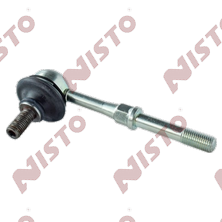
Elastomeric Compounding & Durometer Control
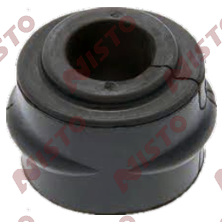
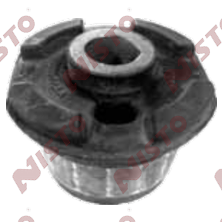
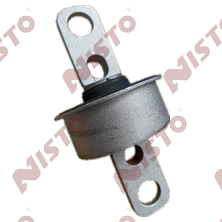
The anti-roll bar bushing (commonly referred to in suspension catalogs as the stabilizer bar bush or sway bar bush) functions as the dynamic pivot point securing the torsional spring bar to the vehicle subframe. When an automobile initiates cornering, centrifugal forces compress the outer suspension while unloading the inner side.
At NISTO RUBBER, our formulations are optimized between Shore A 60 and 72 durometer. This precise window prevents axial deflection of the bar while maintaining resilient radial compliance. Inferior compounds with substandard plasticizers degrade rapidly when exposed to environmental ozone, thermal fluctuations, and cyclic shear stresses, causing body roll looseness and harsh cabin knocks.
Tribology & Internal Ribbing Architecture
A major failure symptom investigated by automotive diagnostic technicians is suspension creak during low-speed articulation. Cheap aftermarket stabilizer bushings feature smooth inner bores that bind against the bar, stripping out internal vulcanized surfaces and generating high-frequency squeaks.
NISTO anti-roll bar bushings incorporate micro-grooved internal lubrication channels and knurled contact surfaces that trap specialized silicone grease. This design facilitates smooth torsional slipping during high suspension travel while clamping securely in the outer bracket, eliminating premature tearing and squeaks across fleet operations.
Strategic Market Intelligence
Future Procurement Trends in Anti-Roll Bar Bushings
Key market vectors shaping wholesale inventory turnover, import tariffs, and material specifications for 2026–2030.
1. Electric Vehicle Torsional Loads
Battery packs add 300kg to 700kg of curb weight, shifting vehicle centers of gravity lower and requiring thicker anti-roll bars (25mm to 34mm). Bushings must now withstand 35% higher torsional shear stress without permanent deformation or split fatigue.
2. Supply Chain De-Risking
Global wholesale buyers are moving away from single-source reliance on mainland Chinese factories. Sourcing directly from Thailand—Southeast Asia’s natural rubber producing hub—delivers tariff advantages, supply chain resilience, and consistent raw material availability.
3. Complete Chassis Bundling
Distributors prefer sourcing matching chassis kits from a single factory—combining anti-roll bar bushings with stabilizer link rods, control arm bushes, and strut mounts. This simplifies customs documentation and ensures consistent durometer matching across suspension links.
4. Verified OE Cross-Referencing
Modern purchasing teams demand high-resolution imagery, verified OEM interchange numbers, and precise millimeter dimensions to feed automated ERPs. NISTO’s digital catalog provides vetted cross-references across 9,485 parts to eliminate ordering errors.
Engineering Progression
Evolutionary Advancements in Stabilizer Bushing Design
From simple natural rubber ring collars to bonded vulcanized composite sleeves—how modern elastomer technology stops chassis roll.
The Engineering Shift: Bonded vs. Split Bushings
Historically, anti-roll bar bushings were molded as uniform slit cylinders slipped over the sway bar during assembly. While cost-effective to service, these split-type bushings suffer from road particulate ingress. Fine sand and saline water act as abrasive grinding paste against the coated steel bar, causing corrosion and inner bore ovalization.
To meet stringent 150,000-kilometer warranty benchmarks, modern vehicle platforms increasingly specify vulcanized bonded bushings or hybrid PTFE-lined elastomer bushings. In bonded assemblies, the elastomeric compound is chemically bonded directly to the bar or a dedicated inner steel collar using silane coupling agents. Shear displacement occurs entirely within the rubber matrix rather than through friction against the bar surface, eliminating wear and unwanted noise entirely.
At NISTO RUBBER, our compounding laboratory tests high-grade NR/EPDM and Synthetic Polyisoprene blends, balancing dynamic stiffness ratios (Kd/Ks) between 1.15 and 1.35. This ensures crisp steering response during high-speed cornering without transferring tire impact vibrations to vehicle occupants.
Inquire Now
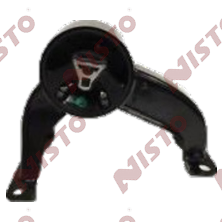
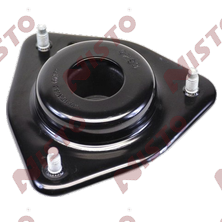
Molded In-House in Thailand
Direct Factory Control.
Direct Factory Control.
Zero Subcontracting Compromise.
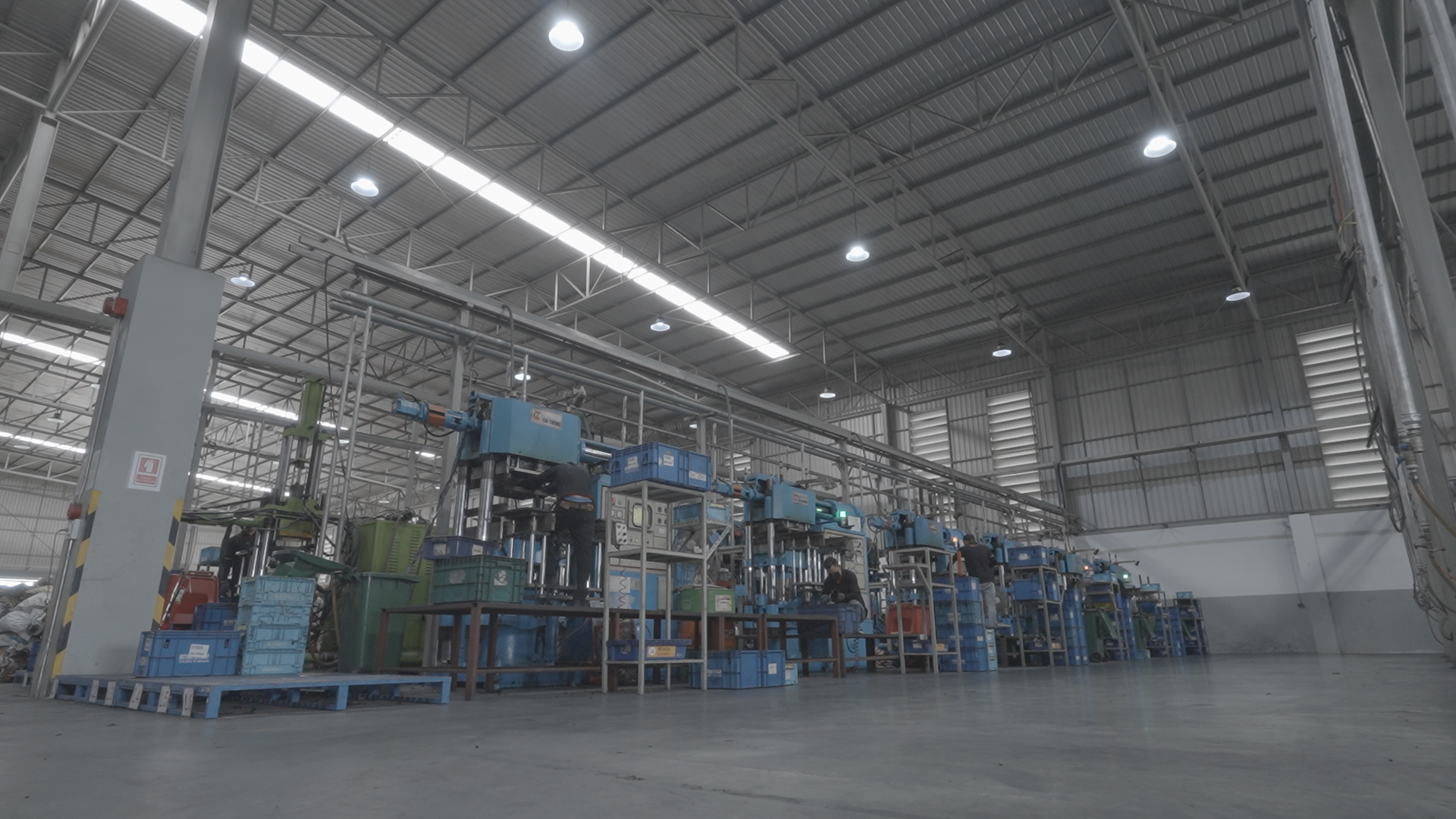
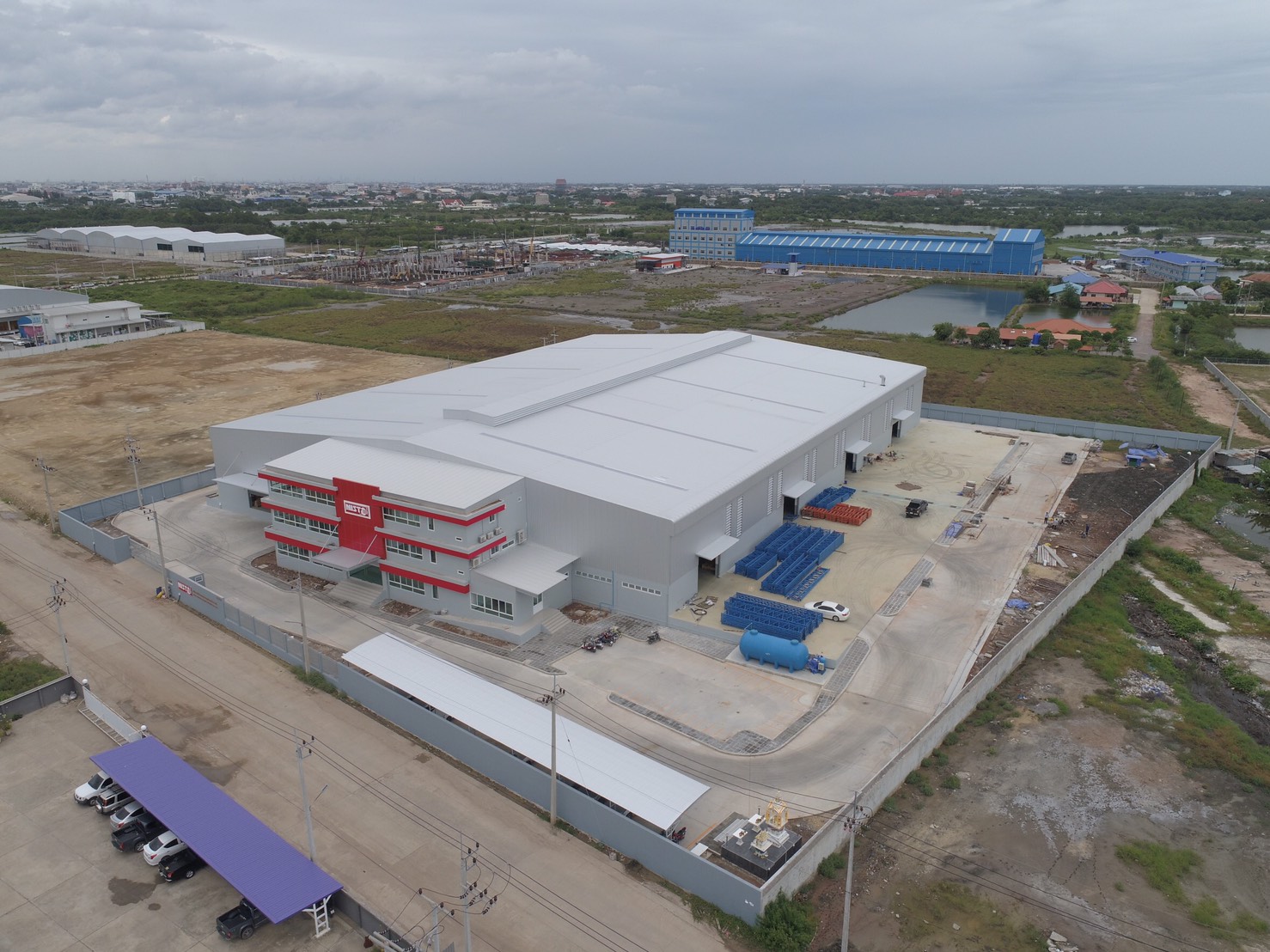
From fresh latex compounding to computer-controlled hydraulic vulcanization and dimensional checking, NISTO handles every stage inside our own Thailand plant. Enjoy consistent batch durometer, precise inner bore geometries, and prompt global container shipping.
Inquire Now
Manufacturer Advantage
Why Importers & Wholesalers Partner with NISTO
Avoid the quality variance and delayed timelines of export brokers. Partner directly with an experienced rubber parts manufacturer possessing extensive chassis tooling libraries.
-
01
9,485 Catalogued Items & 31 Vehicle Makes
One-stop purchasing for Toyota, Nissan, Honda, Mitsubishi, Isuzu, Mazda, Ford, Chevrolet, Hyundai, Chrysler, Hino, and European platforms. Order complete chassis packages without managing multiple vendors.
-
02
Native Thailand Natural Rubber Advantage
Direct access to premium Thailand latex ensures high tensile elasticity, natural crack-resistance, and stable compound pricing insulated from third-party raw material markups.
-
03
Rubber-to-Metal Bonding Expertise
Specialized phosphate cleaning and adhesive application lines produce high shear bond strengths across all rubber-to-metal suspension mountings, sway bar links, and center bearings.
-
04
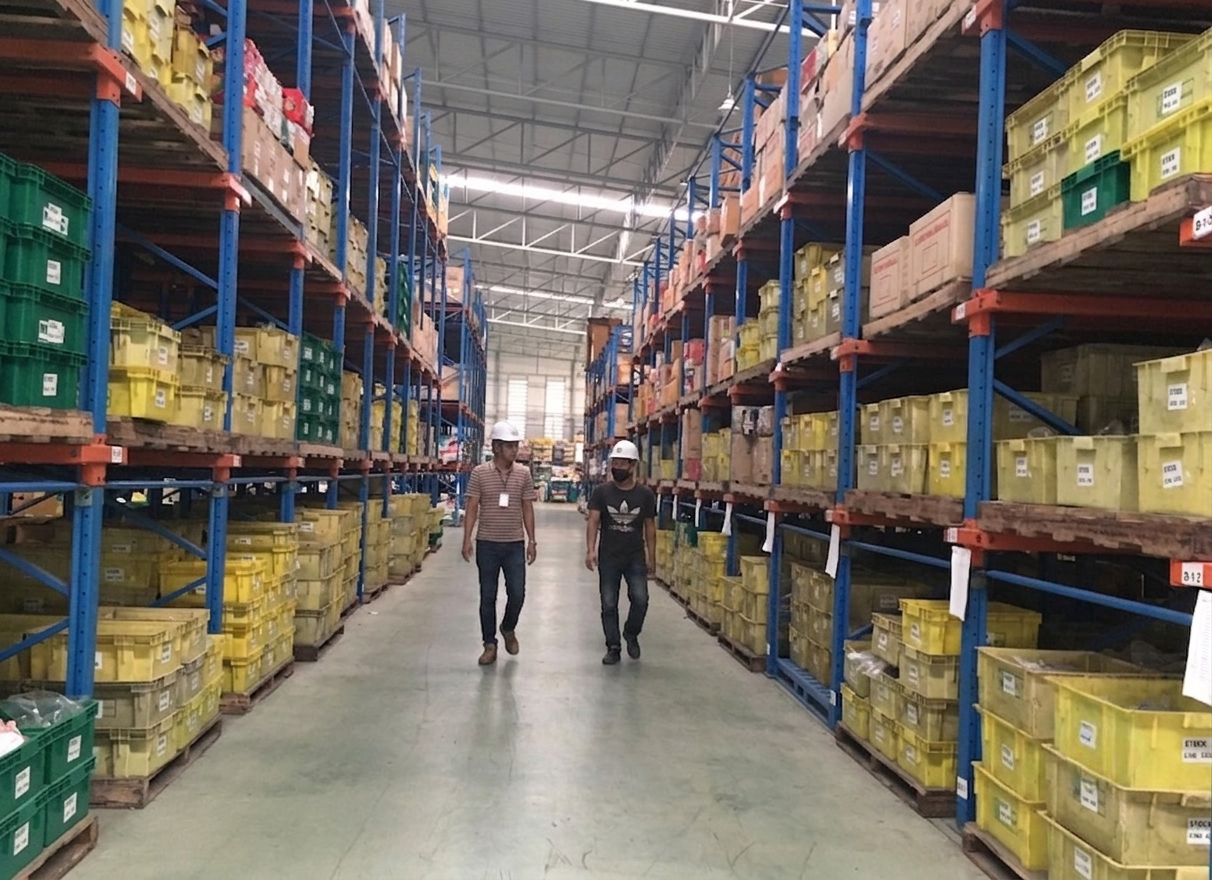
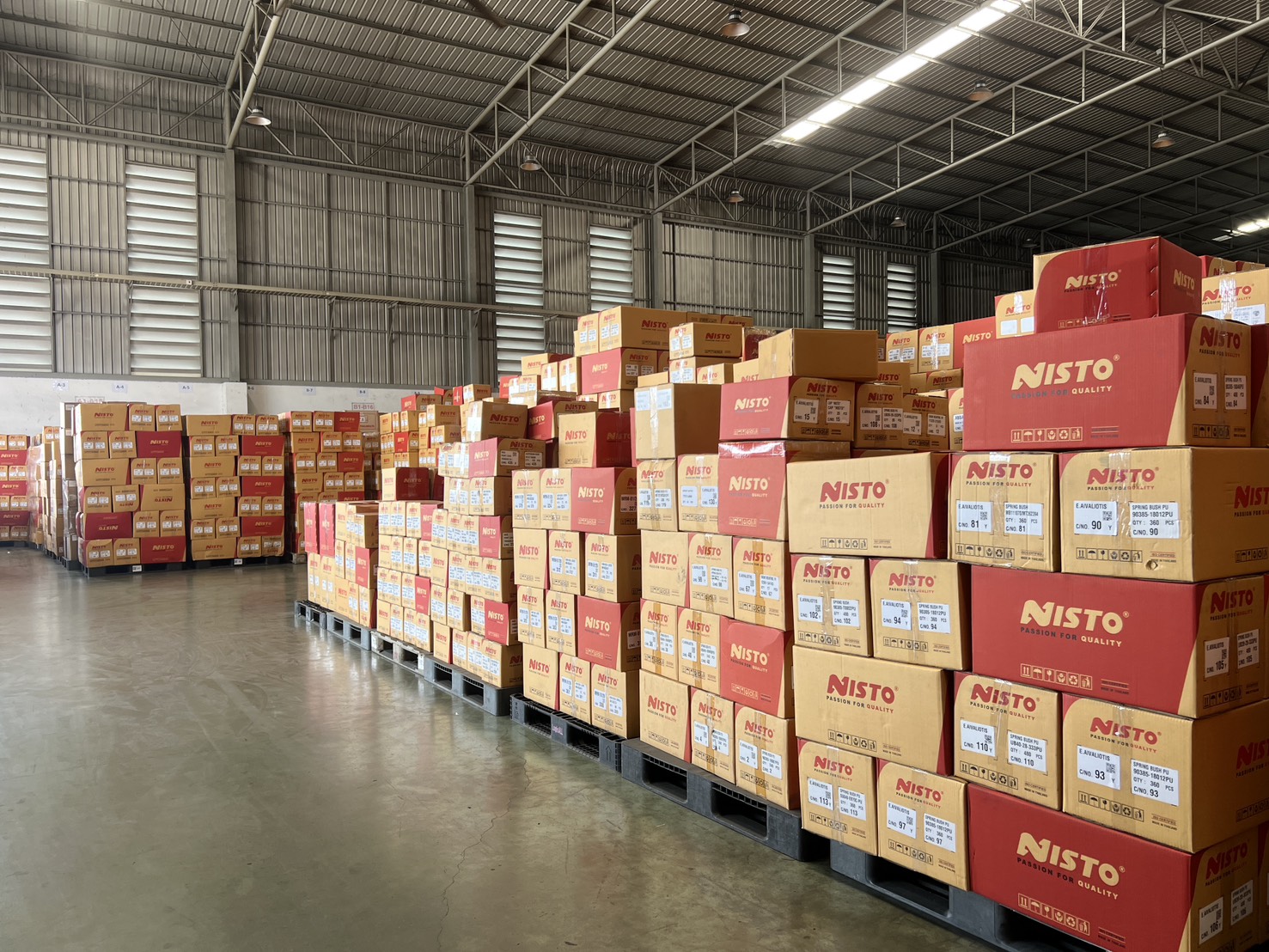
Ready Warehouse Stock & Fast Dispatch
Extensive ready-stock reserves across our highest-turnover stabilizer bushing and engine mounting SKUs minimize backorders and shorten fulfillment cycles for overseas distributors.
B2B Procurement Intelligence
Anti-Roll Bar Bushing FAQs for Parts Buyers
Authoritative answers on material selection, failure diagnosis, inventory planning, and ordering from NISTO RUBBER Thailand.
What are the key technical differences between Natural Rubber and Polyurethane anti-roll bar bushings?
Natural Rubber (NR) compounds provide high tensile strength, elastic memory, and excellent NVH isolation, effectively absorbing high-frequency road vibrations before they reach the cabin. Polyurethane (PU) bushings offer higher rigidity and reduce body roll during aggressive track cornering, but transfer significantly more road noise, vibration, and harshness to vehicle passengers. Polyurethane also requires frequent re-greasing to prevent squeaking, whereas OEM-grade rubber bushings deliver quiet, maintenance-free operation across high-mileage road conditions.
What causes premature anti-roll bar bushing degradation in fleet and passenger vehicles?
Premature degradation typically stems from four environmental and mechanical factors: (1) Contamination from leaking engine motor oil, steering fluid, or brake fluid that softens and swells the rubber compound; (2) Ingress of road grit and salt into the inner contact bore, causing abrasive scouring and bore ovalization; (3) Ozone and thermal drying that induces surface dry rot and cracking; and (4) Incorrect bracket installation torque that pinches or tears the elastomer shoulders.
How does NISTO RUBBER control durometer hardness and dimensional tolerances during molding?
Every compound batch is verified using computerized moving die rheometers to confirm scorch safety and cure rates before molding. Our tooling is CNC-machined from hardened mold steel, holding inner bore tolerances within +/-0.2mm to guarantee a tight fit over the sway bar without binding. Shore A durometer hardness is tested across every vulcanization run to confirm consistency with OE specification sheets.
How can overseas importers identify and source exact anti-roll bar bushing replacements from your catalog?
Our online catalog supports direct searches by OEM part number, vehicle make, model, chassis generation, and product category. Each listing includes high-resolution photography, vehicle fitment ranges, and OE interchange data. If you have a damaged sample or non-standard part number, our engineering team can review photographs, dimensional sketches, or physical samples to identify or fabricate the corresponding tooling.
What minimum order quantities (MOQ) and production lead times apply for bulk distributor shipments?
For existing items in our 780+ stabilizer bushing catalog with active warehouse stock, orders can typically be picked, packed, and palletized within 7 to 14 business days. For customized compounding formulations or newly tooled references, our standard MOQ is generally 300 to 500 units per reference, with tool fabrication and initial sample sign-off completed in 25 to 35 business days.
Direct Factory Inquiries for Anti-Roll Bar Bushings
Send our sales engineering team your OEM numbers, vehicle coverage targets, or sample drawings. We provide comprehensive quotes, cross-reference matrices, and factory pricing directly from our Thailand plant.
Inquire Now