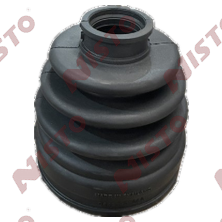
Outer CV Boot Kit
OE: 04427-07060 (Toyota / Lexus)High-flexibility polychloroprene compound designed for wide steering angles up to 45 degrees without rib chafing.
Protecting constant velocity drive shafts demands rigorous polymer formulation, micro-accurate bellows design, and extreme dynamic fatigue endurance. NISTO RUBBER engineers and molds high-durability Neoprene (CR), Nitrile (NBR), and Thermoplastic Elastomer (TPE) CV joint boots directly in Thailand. With complete OEM cross-referencing across 31 global passenger and commercial vehicle makes, we deliver driveline sealing integrity that prevents grease liquefaction and rejects hostile road contaminants.
Discover our precision-molded CV joint boot programs designed for inner plunge tripod joints and outer high-articulation fixed ball joints. Built to withstand continuous angular deflection, high rotational speeds, and volatile thermal conditions.
High-flexibility polychloroprene compound designed for wide steering angles up to 45 degrees without rib chafing.
Engineered specifically for linear axial plunge motion near high-temperature exhaust and gearbox housings.
Thermoplastic polyester elastomer bellows offering ultra-high puncture resistance against gravel and harsh trail debris.
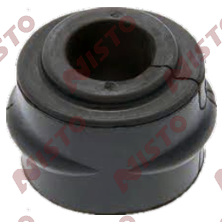
Synthesized high-density NBR rubber formulated to preserve grease retention under severe rotational centripetal forces.
How electrification, environmental regulations, and material transitions are reshaping the global CV joint boot supply chain for distributors and remanufacturers.
Global tier-1 importers and wholesale distribution hubs are systematically abandoning bare boot purchases. Modern procurement standards mandate consolidated, repair-ready packages including low-friction molybdenum disulfide (MoS2) grease packs, precision stainless steel 304 ear clamps, and retaining circlips. Sourcing consolidated kits decreases order handling costs, reduces workshop turnaround times, and virtually eliminates warranty claim disputes caused by substandard aftermarket clamp seating.
Concurrently, international buyers are executing "China Plus One" supply strategies. By selecting Thailand as a primary manufacturing origin, distributors secure direct access to the world's leading high-purity natural rubber reserves while mitigating geopolitical trade exposure, avoiding excessive unilateral tariffs, and leveraging stable Southeast Asian deep-sea maritime corridors.
The accelerating adoption of electric vehicles (EVs) places severe mechanical stress on constant velocity driveline components. Instant peak motor torque and intense regenerative braking induce violent torsional oscillations and elevated rotational velocities across half-shaft assemblies. Standard low-grade synthetic rubbers experience premature dynamic fatigue ballooning and inner wall micro-cracking under these severe conditions.
To counter these stresses, modern CV boot development is pivoting towards engineered Thermoplastic Elastomers (TPE/TPC-ET). TPE materials deliver superior modulus elasticity, exceptional mechanical puncture toughness, and stable chemical compatibility with synthetic EV lubricants over an extended operational range of -45°C to +140°C, guaranteeing over 150,000 kilometers of maintenance-free service life.
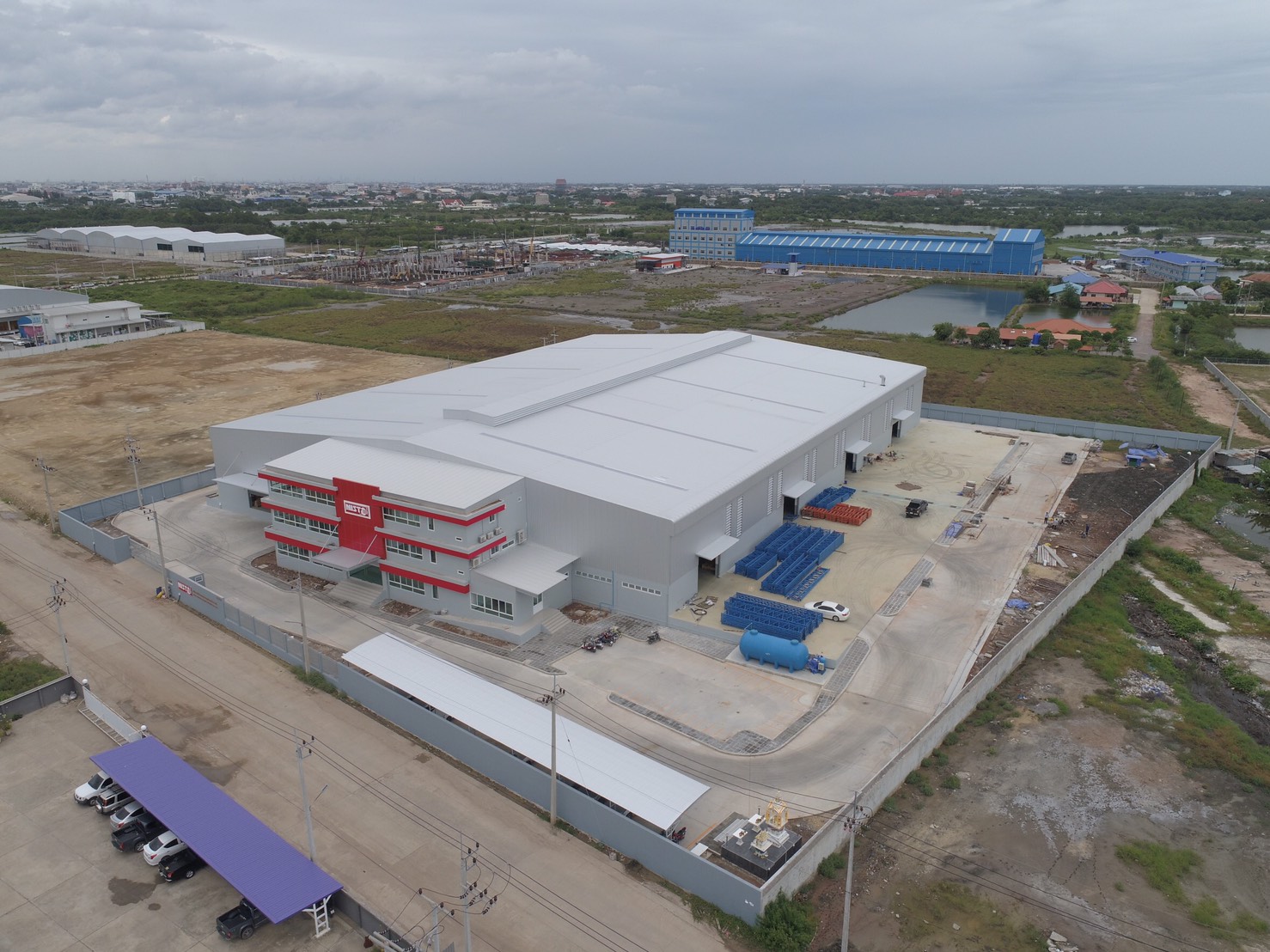
A torn CV joint boot inevitably leads to lubricant depletion, sand contamination, and disastrous constant velocity joint seizure. NISTO RUBBER controls polymer vulcanization, mold tooling geometry, and dynamic endurance testing entirely in-house in Thailand. We ensure dimensional fidelity and zero air voids across every production batch.
With thousands of automotive replacement parts operating across 31 vehicle makes worldwide, NISTO RUBBER provides the technical consistency, supply security, and fitment accuracy that international automotive distributors rely on.
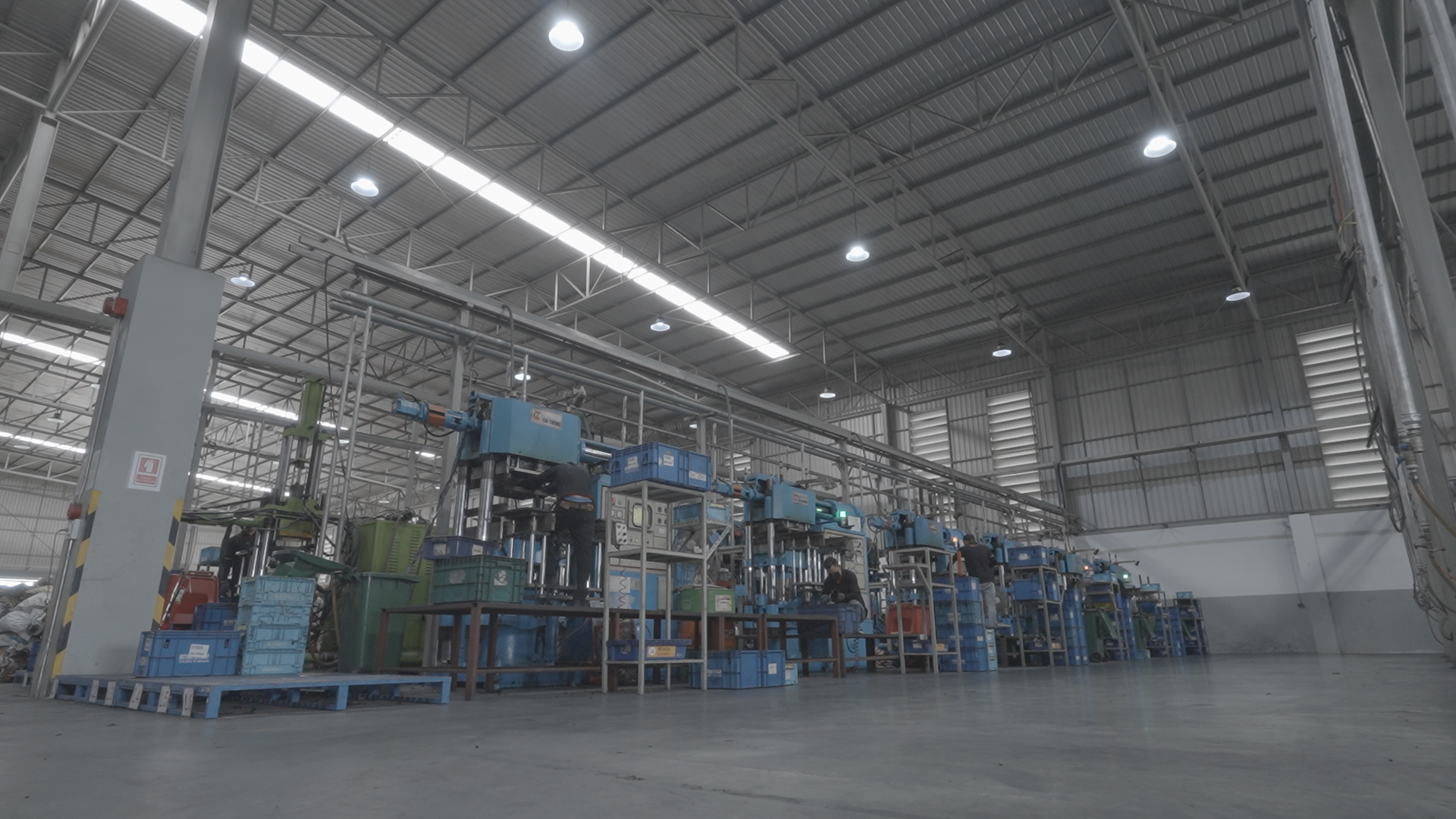
We do not broker or outsource molding. Every CV boot is compounded and vulcanized on our own automated production lines in Thailand. We closely manage tensile strength, Shore A durometer hardness, elongation at break, and ozone resistance from raw polymer to the packaged unit.
Our comprehensive production coverage includes major Asian, American, and European marques—Toyota, Honda, Nissan, Isuzu, Mitsubishi, Ford, Mazda, Chevrolet, and more. Direct OE dimensional cross-referencing ensures straightforward plug-and-play installation without fitting resistance.
Manufacturing at the epicenter of Southeast Asian natural rubber production affords us unmatched access to premium-grade raw elastomer supplies. This geographic advantage grants international clients stable pricing, superior material purity, and tariff-resilient shipping logistics.
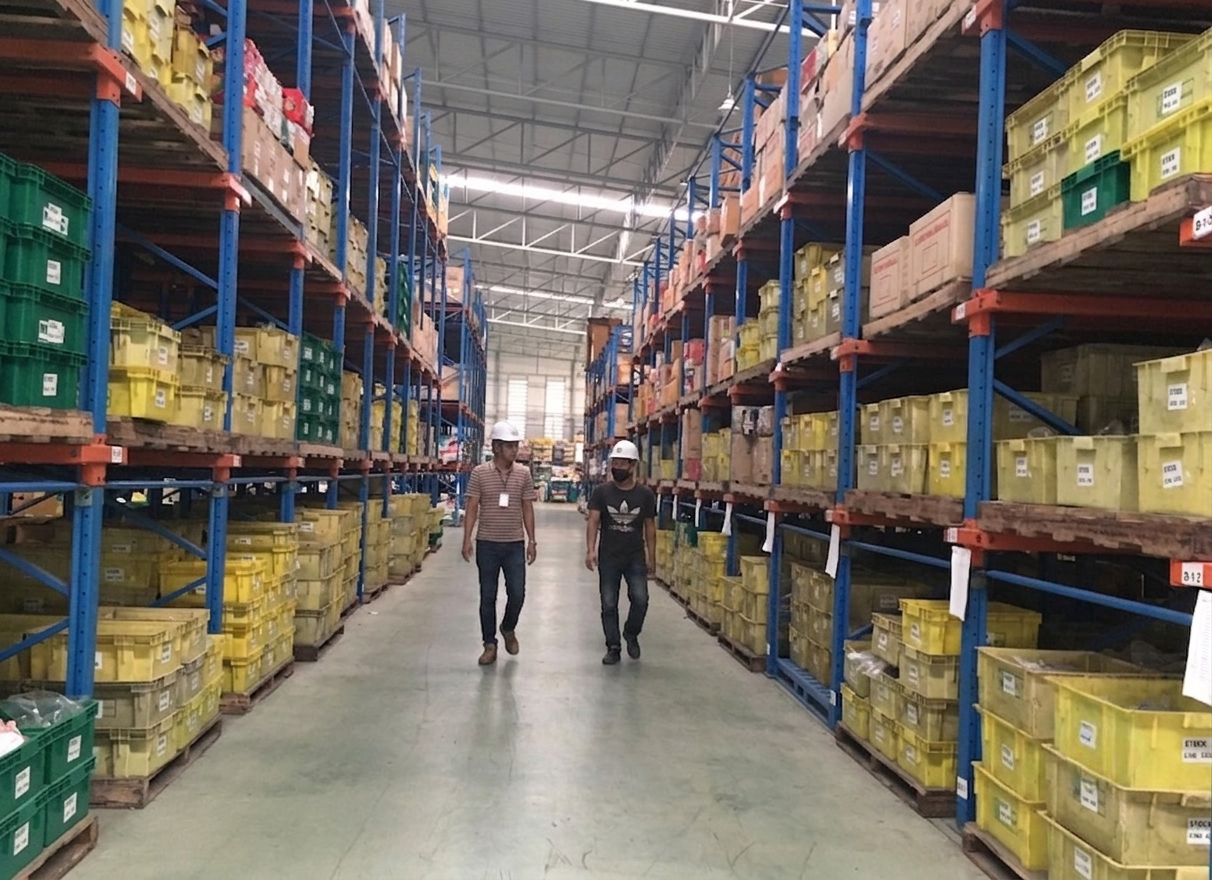
Each catalogued line item is systematically documented with high-resolution dimensional photography, verified OE references, and exact chassis application details. Extensive on-hand inventory supports container-load consolidation and swift procurement processing.
Every NISTO CV joint boot undergoes four integrated stages of rigorous production and analytical testing to guarantee field reliability under grueling operating conditions.
Precision compounding of chloroprene and thermoplastic polymers, fine-tuned for high elasticity, chemical grease immersion stability, and resistance to environmental ozone aging.
Machined steel multi-cavity injection molds deliver smooth internal convolution radii, uniform wall thickness distributions, and flash-free sealing lip profiles.
Bellows undergo cycling tests under combined angular deflection (up to 45°) and high-speed rotation to simulate extreme real-world suspension travel and cornering loads.
100% visual and dimensional verification ensures clamp groove tolerances are met. Units are kitted with OE-grade clamps and specialized grease packets ready for dispatch.
Our CV joint boot catalog covers 31 automotive manufacturers across passenger cars, commercial transport, and light-duty trucks.



Also covering Toyota, Nissan, Mitsubishi, Mazda, Subaru, and other global vehicle lines. Brand names are registered trademarks used solely for fitment cross-referencing purposes.
Explore technical answers to the most frequent sourcing and engineering inquiries regarding CV joint boot manufacturing, material specifications, and fitment precision.
Neoprene (polychloroprene rubber) offers superior flexural flexibility at low temperatures and high angular elasticity, making it ideal for outer CV joints on passenger vehicles that undergo acute steering angles. Thermoplastic Elastomers (TPE) possess higher tensile modulus, exceptional abrasion resistance, and robust puncture defense against sharp road debris and rock strikes. TPE is typically favored for modern high-speed half-shafts, SUV applications, and electrified platforms requiring structural stability under intense rotational forces.
Premature failure generally stems from three defects: poor compound formulation with excess recycled filler that breaks down under atmospheric ozone and engine bay heat; uneven wall thickness during molding that creates localized stress risers along convolution folds; and improper clamp groove geometries that permit grease leakage under high centrifugal acceleration. NISTO RUBBER eliminates these failure points by formulating virgin polymers and utilizing precision-calibrated automated injection tooling.
Yes. Supported by our dedicated tooling room and internal rubber compounding lines in Thailand, we can engineer custom boot profiles based on physical master samples, CAD files, or technical engineering drawings. Our engineering department can balance outer diameter, shaft neck diameter, overall free height, convolution count, and durometer hardness to match specialized OEM or aftermarket remanufacturing demands.
We utilize precision optical coordinate measurement systems and dynamic functional benchmarking against genuine OEM samples. We measure clamping neck tolerances to within ±0.2mm to ensure an air-tight, leak-proof seal with standard pneumatic banding tools. Internal convolution clearance is mathematically modeled to prevent self-contact friction during maximum joint articulation.
We provide full white-label and customized packaging configurations for global distribution networks. Boot kits can be supplied in neutral bulk packaging or branded color boxes, complete with custom printed barcoding, specialized retaining rings, customized molybdenum grease sachets (60g to 120g), and stainless steel ear-type or stepless clamp sets.
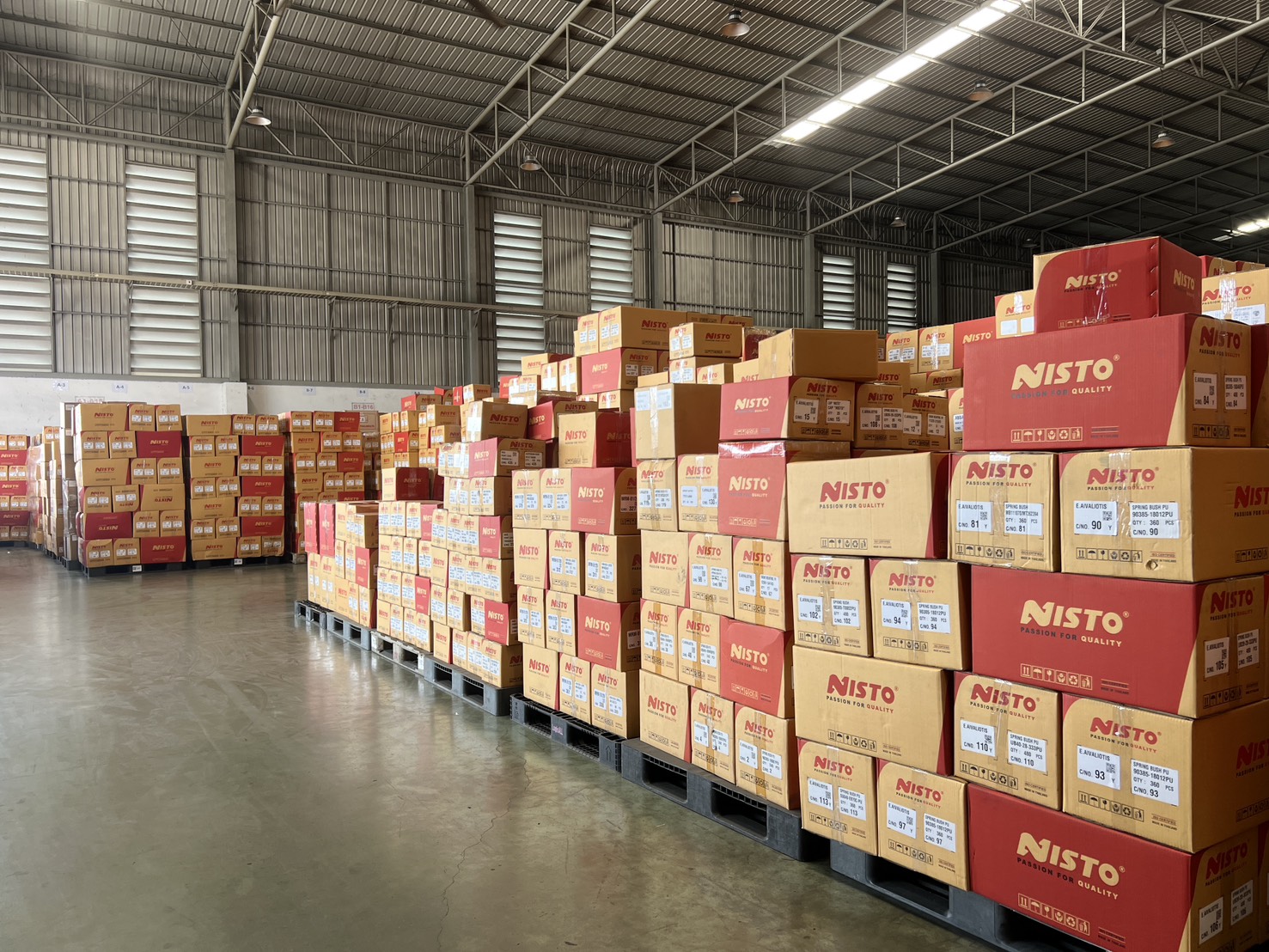
For catalogued lines with stock on hand in our Thailand warehouse, orders can be consolidated and dispatched in as little as 10 to 14 days. For build-to-order manufacturing runs or custom polymer compounds, our typical cycle is 30 to 45 days. We offer flexible SKU combination programs across container shipments to allow distributors to balance their local inventory without holding excessive quantities of single items.
Partner with an authentic Thai manufacturer. Contact our technical sales team for comprehensive catalogs, wholesale price tiers, material compliance certificates, and fast-track sample evaluations.
Inquire Now