
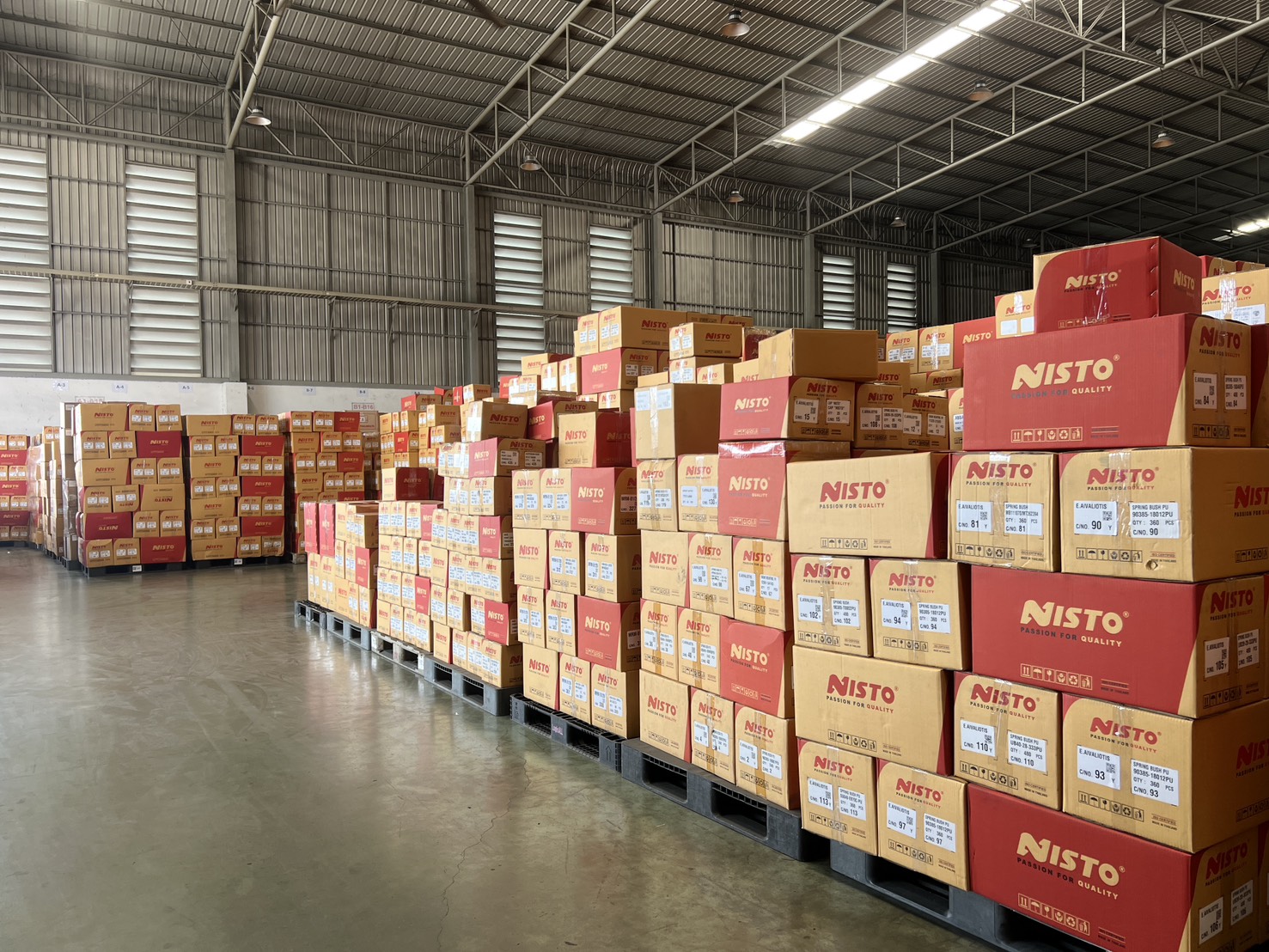
Technical Sourcing & Manufacturing Guide
Automotive Rubber Bushings: OEM Engineering, Failure Prevention & Global Procurement Trends
Modern chassis dynamics depend directly on the structural integrity of automotive rubber bushings. From managing multi-axis NVH harmonic dissipation in internal combustion systems to accommodating high instantaneous torque loads in electric vehicle (EV) architectures, procurement teams need parts manufactured to exacting durometer metrics and chemical-bonding tolerances. Sourced directly from NISTO RUBBER in Thailand, explore how direct vulcanization control elevates service life and eliminates premature suspension degradation.
9,485Catalogued SKUsChassis, Engine & Driveline
31Vehicle MakesDirect OE Cross-Reference
100%In-House MoldingRaw Rubber to Metal Assembly
60Component ClassesEngine, Arm, Link & Sway Bars
Product Recommendations
Heavy-Demand Automotive Rubber Bushings
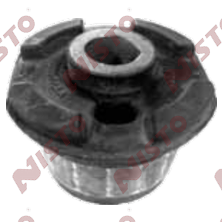
Engineered with OE-calibrated elastomer blends and seamless outer metal sleeves, our flagship automotive rubber bushings deliver direct-fit geometry, precise caster/camber preservation, and superior harmonic dampening.
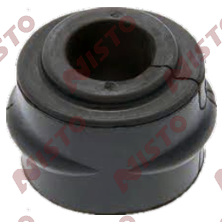
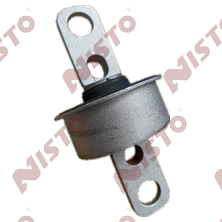
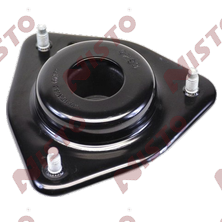
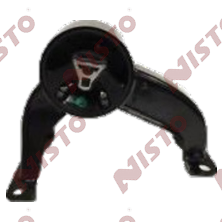
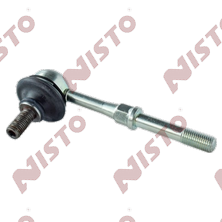
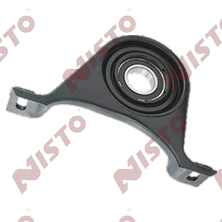
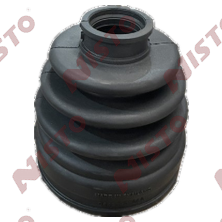
Material Science & Engineering Precision Rubber-to-Metal Bonding.
Precision Rubber-to-Metal Bonding.
Zero Delamination Guarantee.
The mechanical lifecycle of automotive rubber bushings hinges entirely on the cohesion between the core sleeve and the vulcanized elastomer. By operating automated shot-blasting, multi-tier phosphate coating, and dual-layer thermo-reactive primer application on our own lines in Thailand, NISTO ensures cohesive failure occurs within the rubber matrix itself long before an adhesive boundary tears apart under extreme road conditions.
Inquire Now Procurement Intelligence
Future Procurement Trends in Automotive Bushings
How Tier-1 importers, aftermarket distributors, and fleet purchasing managers are navigating evolving chassis weights, electric vehicle torque dynamics, and supply chain re-shoring.
1. EV Weight & Instant Torque Demands
Modern battery electric vehicles (BEVs) increase vehicle curb weights by 20% to 35% compared to ICE counterparts. This heightened sprung mass, combined with instant electric wheel-hub torque, multiplies radial and axial shear stresses on lower control arm bushings. Procurement managers are prioritizing high-modulus, hyper-elastic NR compounds designed to resist long-term compression set without compromising ride softness.
2. Supply Chain De-risking & Tariff Neutrality
Global supply chain friction and evolving geopolitical tariffs have caused international parts importers to diversify away from single-source manufacturing countries. Thailand represents the geographic epicenter of natural rubber harvest and refined polymer processing. Direct factory procurement from Thailand gives buyers stability in raw material pricing, tariff immunity into key Western markets, and verifiable production consistency.
3. Low-Frequency Acoustic Targeting
In electric and plug-in hybrid mobility, the absence of combustion engine hum leaves road, tire, and suspension acoustic excitation unmasked inside the cabin. Bushing procurement has transitioned from generic rubber molds to precision acoustic decoupling components. Importers are expanding catalogs with hydro-bushings and engineered dual-rate elastomeric geometries tuned to damp specific 30-50 Hz chassis resonance ranges.
Technology Roadmap
Development Evolution of Rubber Bushing Systems
Tracing the technological transition from rudimentary solid rubber sleeves to modern micro-cellular and active hydro-elastomeric damping units.
The Leap: From Basic Compression to Multi-Axis Dynamic Control
Historically, chassis rubber bushings were treated simply as rotational pivot points engineered to prevent metal-on-metal wear. They featured basic rubber compounds vulnerable to oil swelling, road-salt cracking, and early tearing along the inner sleeve line. Modern automotive dynamics have transformed rubber bushings into crucial elastomeric isolation dampers that govern vehicle stability, braking feedback, and cornering trajectory.
At NISTO, our manufacturing processes integrate the latest generations of compound homogenization, vacuum vulcanization cavities that eradicate air micro-voids, and computer-modeled void geometries that give control arm bushings progressive directional spring rates (soft longitudinal deflection for pothole compliance, firm lateral stiffness for crisp steering reaction).
Inquire Now- 01
Generation I: Solid Natural Rubber Isolators
Standard homogeneous vulcanized bushings offering basic rotational flexure, prone to permanent set under uncalibrated heavy vehicle loads.
- 02
Generation II: Chemical Chem-Bonded Hybrid Bushings
Introduction of multi-layer adhesive phosphated outer sleeves and inner metal inserts, resisting torsional delamination under severe suspension travel.
- 03
Generation III: Hydraulic & Tuned Directional Bushings
Advanced hollow chambers with internal glycol fluid flow and tailored directional voids, delivering distinct stiffness curves in axial, radial, and conical vectors.
- 04
Generation IV: High-Modulus EV & Low-VOC Elastomers
Synthetic-natural co-polymers optimized for elevated thermal operating zones, continuous peak regenerative braking loads, and ultra-quiet cabin acoustics.
Our Factory Advantages
Why Global Importers Partner with NISTO RUBBER
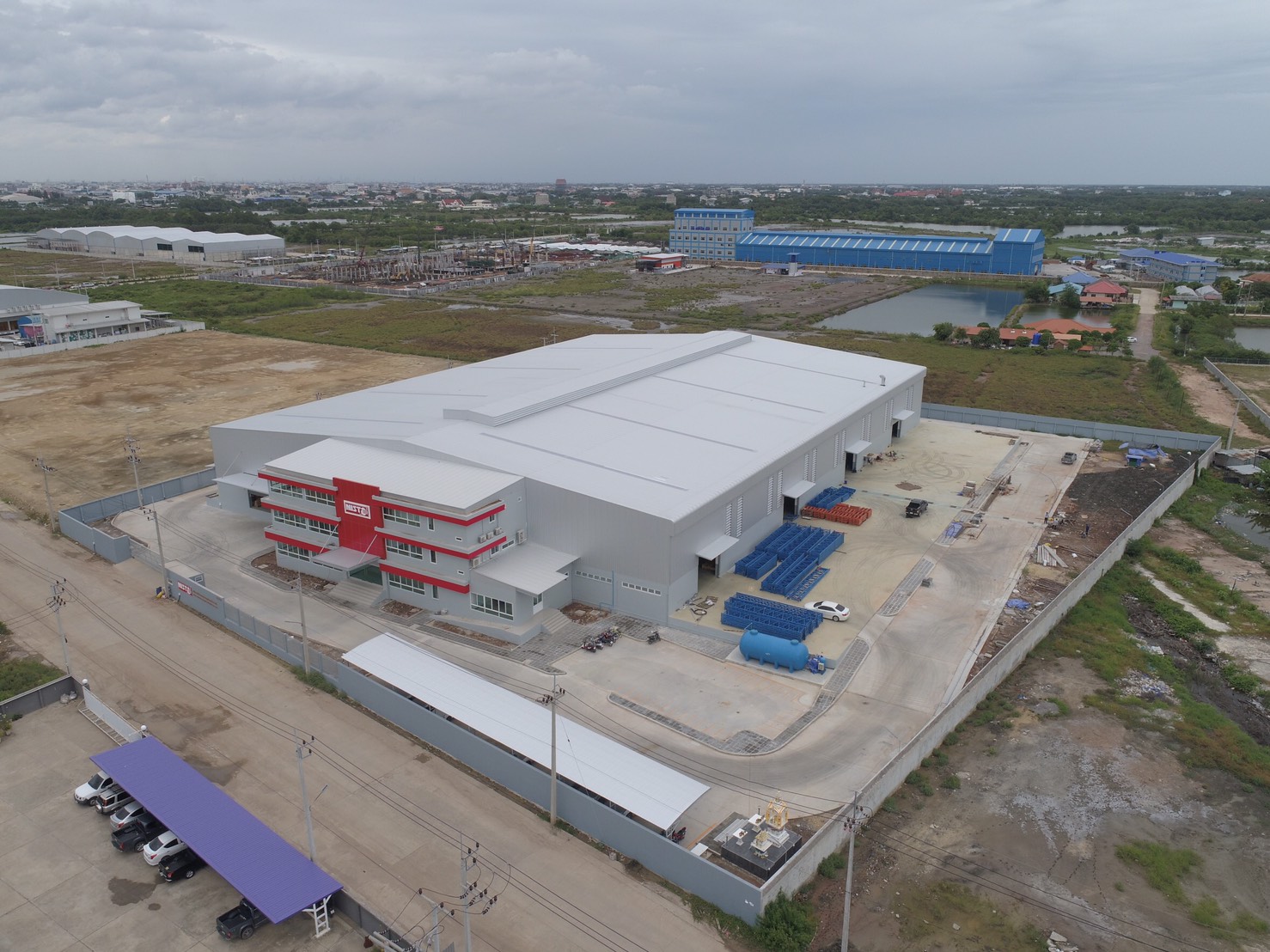
Operating out of Thailand, the world's natural rubber capital, NISTO RUBBER eliminates the middleman. We oversee the entire lifecycle from raw polymer compounding to high-tonnage vulcanization and ultrasonic post-wash checks.
- 01
Direct Thailand In-House Manufacturing
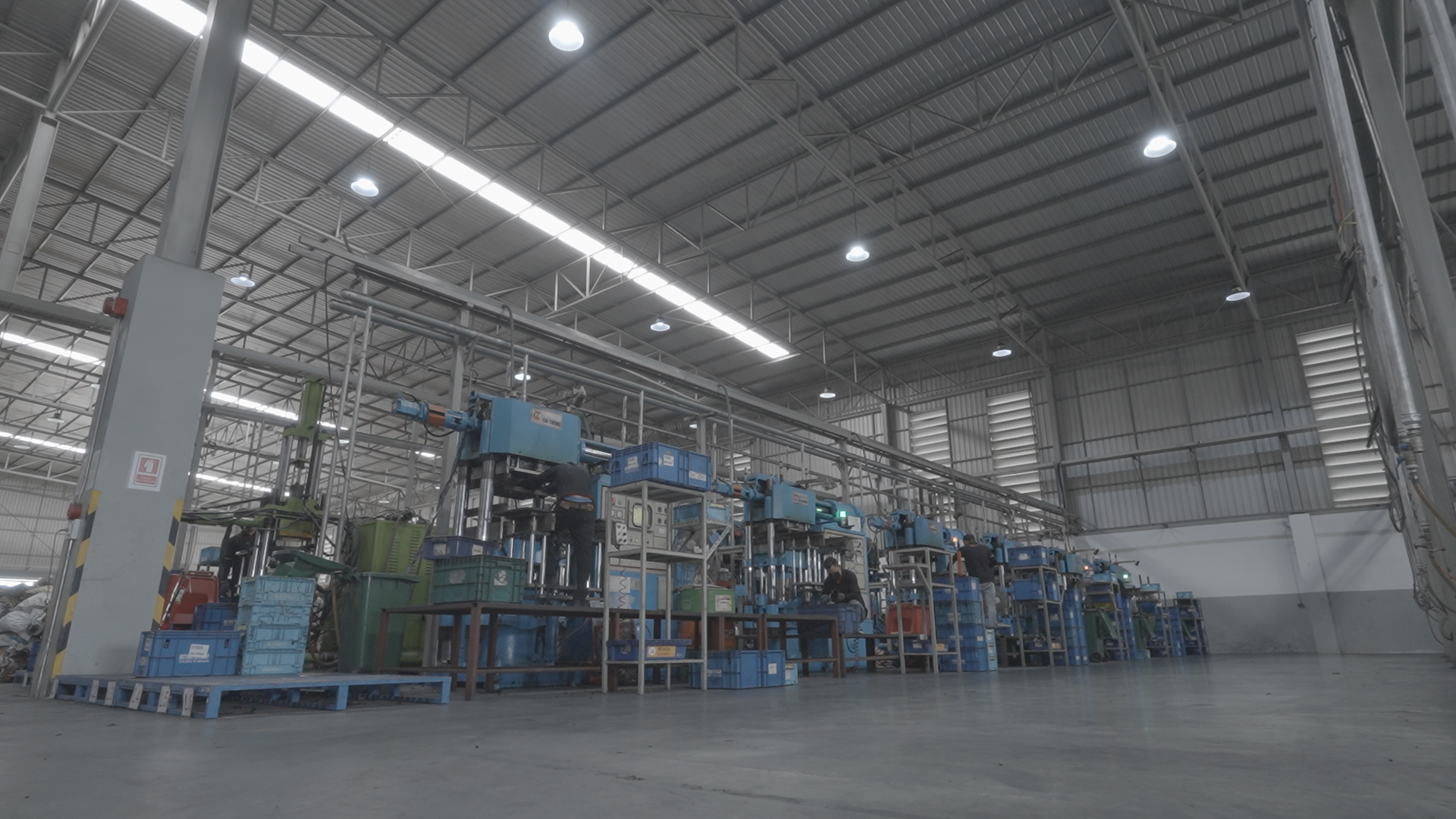
Every single SKU in our catalog is cured on our proprietary compression and injection molding lines in Thailand. Importers benefit from raw material purity, strict durometer controls, and dependable batch consistency without secondary subcontractors.
- 02
9,485 Catalogued Parts Across 31 Makes
We maintain verified fitment matrices for Japanese, American, and European platforms—including Toyota, Isuzu, Honda, Nissan, Ford, GM, and Chrysler. Each part features comprehensive OE cross-referencing and technical fitment specs.
- 03
Engineered Rubber-to-Metal Bonding
Using multi-stage degreasing, sandblasting, and automated Chemlok adhesive coating, our outer metal sleeves and internal steel shafts bond seamlessly to the rubber, eliminating the risk of bushing separation under continuous heavy dynamic loads.
- 04
Immediate Inventory & Agile MOQ Shipments
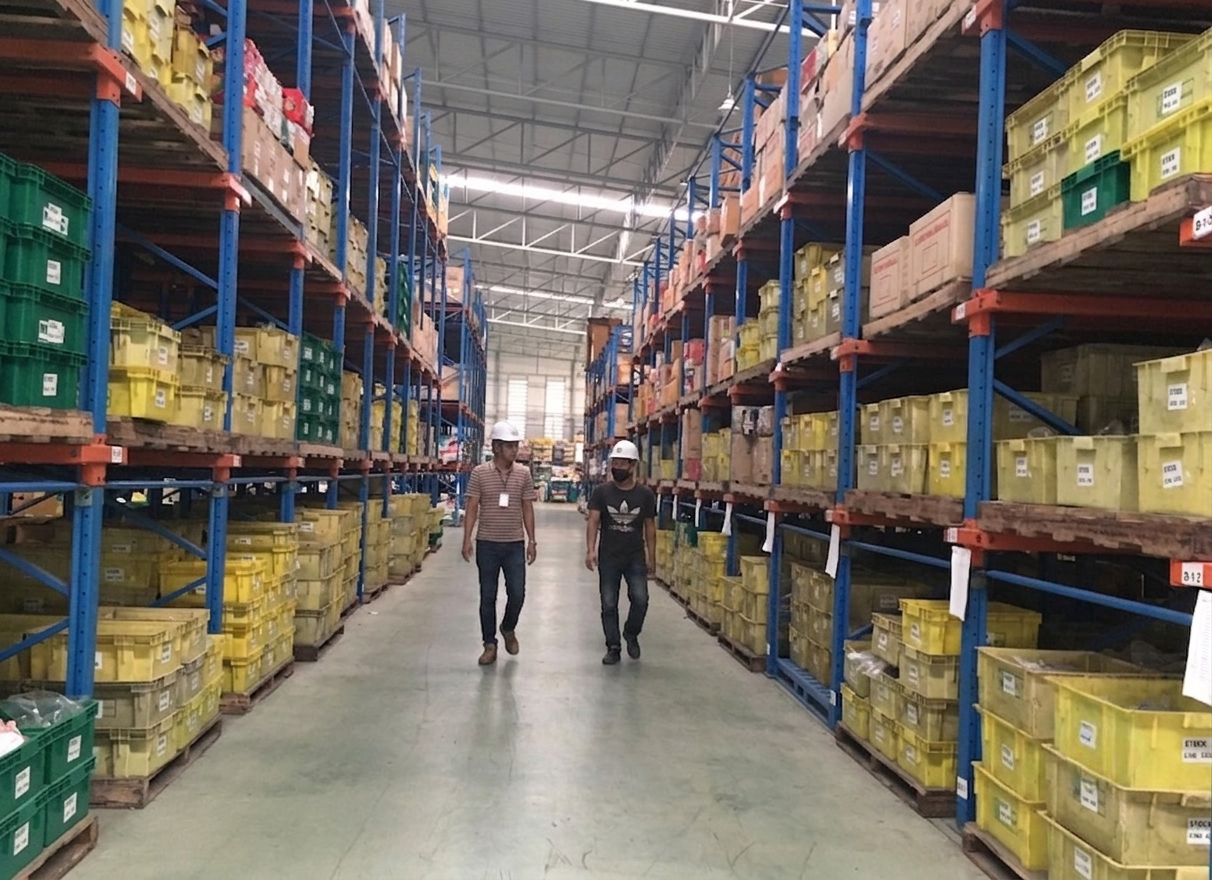
Our centralized logistics hub maintains deep ready-stock inventories, facilitating rapid SKU mixing for mixed container loads, shorter procurement lead times, and steady inventory turnaround for distribution partners.
Manufacturing Rigor
The NISTO In-House Quality Assurance Chain
Consistency in automotive rubber bushings requires unwavering process discipline at each stage of the compounding and vulcanization cycle.
1. Compound Formulations
Using premium natural rubber combined with carbon black reinforcing agents and anti-ozonants, each batch is formulated on internal Banbury mixers to meet targeted Shore A durometer specifications.
2. Metal Sleeve Preparation
Inner and outer metal sleeves undergo precision CNC sizing, high-pressure grit blasting to maximize contact surface roughness, zinc phosphating, and uniform bonding agent application.
3. High-Tonnage Vulcanization
Utilizing high-pressure multi-cavity hot presses, elastomeric cross-linking is executed under controlled cure cycles and thermal profiles, preventing core flash, flow lines, or trapped micro-bubbles.
4. Stress Testing & Stock
Samples from each manufacturing batch undergo dynamic fatigue cycling, radial stiffness validation, and tear tests before entering stock packaging and global shipment staging.
Fleet & Make Coverage
Compatible Across Global Vehicle Platforms
Over 9,485 rubber part cross-references covering passenger cars, commercial utility pickups, SUVs, and medium-duty truck lines worldwide.

CHRYSLER / DODGE / JEEP
DATSUN

GAC
HOLDEN

INFINITI
JAGUAR
Along with dedicated lines for Toyota, Nissan, Mitsubishi, Mazda, Subarus, and European vehicle ranges. OEM brand names are referenced exclusively for cross-referencing and fitment purposes.
Technical FAQ
Automotive Rubber Bushings Sourcing & Engineering FAQ
Direct technical and commercial answers addressing common engineering inquiries, material selections, and wholesale container logistics.
How do NISTO rubber bushings balance high dynamic stiffness with NVH ride comfort?
Dynamic stiffness and noise-vibration-harshness (NVH) isolation are balanced by engineering our elastomer blends with a calibrated loss factor (tan delta) and precise Shore A hardness. We formulate natural rubber (NR) and synthetic polymers that provide firm radial support during sudden braking or steering maneuvers, while dampening high-frequency micro-vibrations across the subframe without transferring road drone into the cabin.
Why is rubber-to-metal chemical bonding critical in automotive control arm bushings?
In a control arm bushing, the rubber must flex torsionally rather than slip against the steel sleeve. Without uniform chemical bonding via multi-stage phosphating, sandblasting, and thermoset bonding agents, the continuous torsional and angular shear forces would cause the rubber to peel away from the metal. Delamination accelerates tear development, introduces suspension clunks, and leads to unpredictable wheel alignment changes.
How does electric vehicle (EV) weight and torque impact rubber bushing wear life?
EV architectures place unique demands on chassis components due to low-slung battery weight and instantaneous torque delivery. This creates 25% to 35% higher baseline radial static loading and sharp, high-frequency torque spikes during acceleration and regenerative braking. Bushings for EV applications require anti-fatigue polymer matrixing, improved thermal dissipation, and elevated tear resistance to prevent early core degradation.
What are the primary reasons for premature cracking or fluid leakage in hydraulic bushings?
Premature surface cracking is commonly caused by ozone degradation, extended high-heat exposure, or aggressive underbody oil contamination. For hydraulic bushings, internal fluid leaks typically indicate diaphragm fatigue, improper installation angles that over-twist the unit, or micro-voids in the mold walls caused by incomplete degassing during vulcanization. NISTO prevents these issues using automated degassing cycles and anti-ozonant polymer recipes.
What are the supply chain and tariff advantages of sourcing automotive rubber bushings from Thailand?
Thailand produces over a third of the world's raw natural rubber supply, giving local manufacturers a steady, high-grade material advantage without long transshipment legs or raw polymer storage aging. Furthermore, manufacturing in Thailand helps international buyers diversify their supply footprint, reduce geopolitical tariff exposure, and access established deep-water container lanes to major ports in North America, Europe, and the APAC region.
What quality certifications and batch-level testing protocols are followed by NISTO?
Our facility operates under rigorous ISO quality control frameworks. Every manufacturing lot undergoes rheometer cure verification, tensile and elongation checks, Shore A durometer audits, multi-axis fatigue testing up to 500,000 cycles, and ASTM B117 salt spray exposure testing on all coated metal sleeves, ensuring our replacement components meet or exceed original OE operational lifespans.
Upgrade Your Automotive Rubber Bushings Supply Chain
Connect directly with our factory engineering and export sales department in Thailand. Share your OE part numbers, target car models, or cross-reference lists for immediate inventory quotes and custom container consolidation schedules.
Inquire Now