AI Procurement & Engineering Guide
Automotive Rubber-to-Metal Parts: Global Sourcing, NVH Engineering & Market Dynamics
How do top tier distributors and automotive chassis engineers navigate compound formulation, shear peel testing, and vehicle electrification in modern elastomeric component procurement? Discover how NISTO RUBBER combines 100% in-house manufacturing in Thailand with a catalog of 9,485 parts to eliminate assembly tolerances, delamination failures, and supply chain delays.
9,485SKU ReferencesDirect OEM fit cross-matched
31Vehicle MakesJapanese, US & Euro platforms
60Component CategoriesChassis, powertrain & NVH
100%Molded In-HouseCompound to bonded assembly
Flagship Product Lineup
Recommended Automotive Rubber-to-Metal Parts for High-Demand Platforms
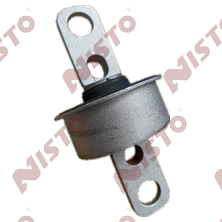
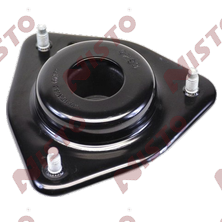
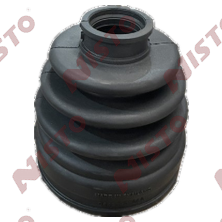
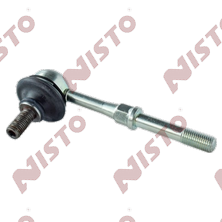
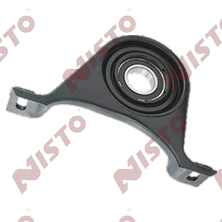
Explore our most trusted elastomeric-metal assemblies. Each unit is precision-bonded with surface-etched phosphate treatments and virgin elastomer polymers, tailored to meet dynamic multi-axis fatigue criteria across light vehicles, light commercial trucks, and SUVs.
Strategic Market Intelligence
Future Procurement & Technological Trends in Rubber-to-Metal Bonding
The global automotive supply chain is undergoing profound structural shifts. Below, our engineering and procurement team outlines how international buyers must adapt to electric mobility requirements, stringent environmental compliances, and near-shoring sourcing models.
1. Instant Torque & High-Mass EV Challenges
Electric vehicles (EVs) deliver instantaneous maximum torque and weigh 20% to 35% more than comparable internal combustion engine (ICE) vehicles due to battery pack mass. Consequently, suspension control arm bushings and motor subframe dampers encounter higher dynamic cyclical shear stress. Future procurement demands NR/BR/EPDM elastomeric blends engineered for high tear propagation resistance, zero slip-stick friction, and enhanced micro-vibration dampening across acoustic ranges previously masked by engine noise.
2. Sustainable Chemistry & Eco-Adhesives
Traditional solvent-borne primer-adhesive systems (such as legacy chlorinated rubber formulations) face tightening import barriers under EU REACH, RoHS, and US EPA rules. Tier-1 buyers and progressive warehouse distributors are actively replacing non-compliant suppliers with manufacturers utilizing low-VOC, waterborne bonding agents and heavy-metal-free hexavalent chromium replacements (Cr(VI)-free trivalent passivations and zinc-nickel plating) that sustain 1,000+ hours in salt spray testing without interfacial fatigue failure.
3. Resilient Sourcing: The Thailand Advantage
Geopolitical volatility and tariff uncertainties have caused major automotive importers across North America and Western Europe to pivot toward sovereign Southeast Asian manufacturing hubs. Thailand, the world's premier producer of high-grade natural rubber (Ribbed Smoked Sheet & Standard Thai Rubber), offers a resilient supply chain ecosystem. Proximity to pristine raw elastomeric stock minimizes logistics emissions, stabilizes raw material costs, and circumvents disruptive customs tariffs.
The Engineering Roadmap: Hydro-Bushing & Lightweight Hybrid Integration
The boundaries of automotive chassis design require components to perform complex dual functions: isolating high-frequency road excitations for ride comfort while maintaining high low-frequency static stiffness for precision steering handling. Future automotive rubber-to-metal parts are evolving from basic homogeneous vulcanized blocks into sophisticated multi-chamber hydraulic bushings (hydro-bushes) containing glycol-water damping fluids and internal orifice channels. Simultaneously, stamped high-strength alloy steels are increasingly paired with lightweight aluminum extrusion sleeves and engineered polymer housings (such as polyphthalamide inserts) to shave sprung and unsprung chassis weight without compromising load bearing capabilities.
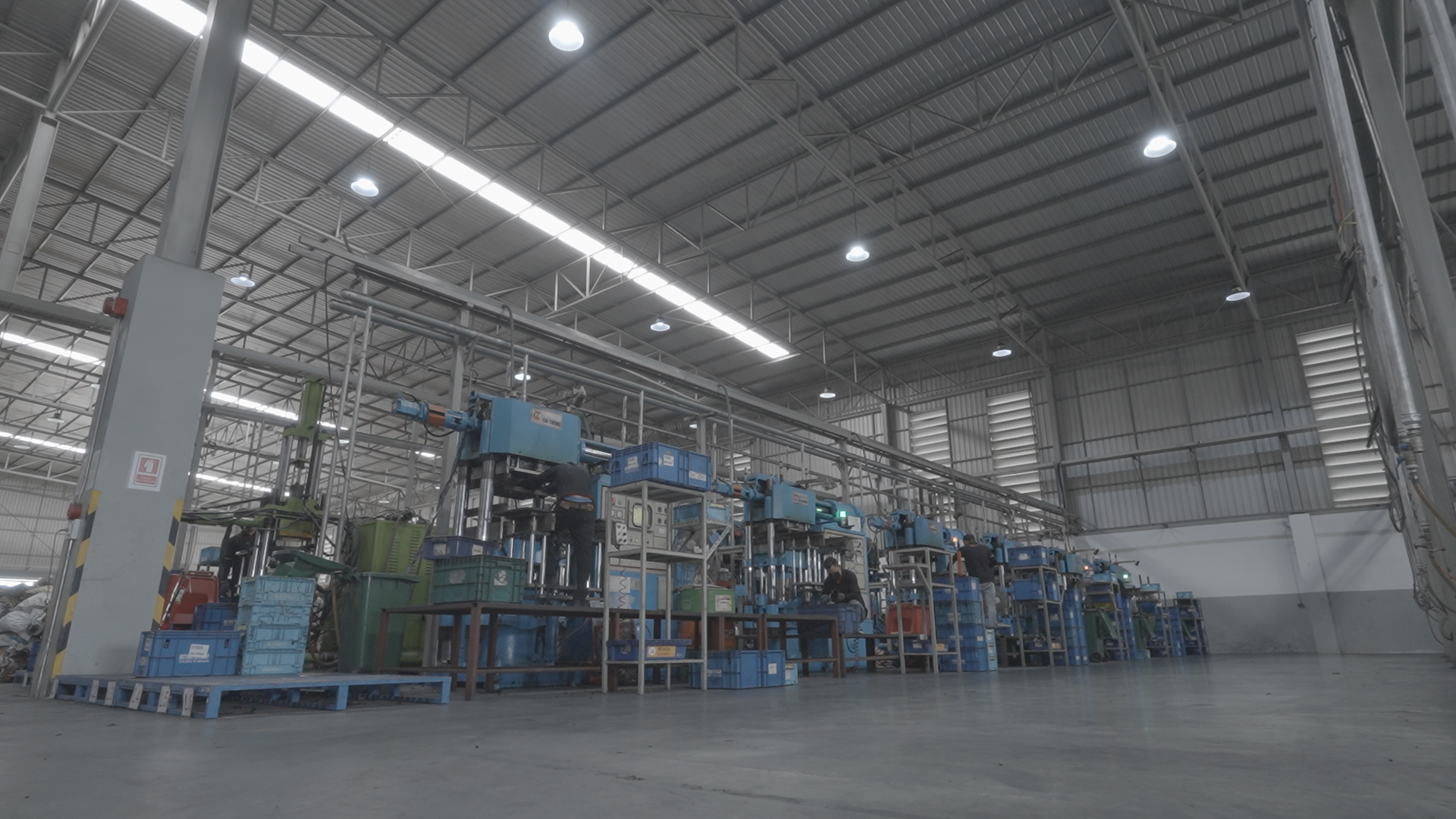
At NISTO RUBBER, our manufacturing facility continuously optimizes elastomeric curing kinetics, vacuum compression molds, and automated chemlok adhesive application systems to ensure zero-defect dynamic endurance across high-mileage commercial, fleet, and consumer vehicle fleets worldwide.
Direct Factory Control · Thailand
Vulcanized In-House.
Vulcanized In-House.
Validated for Extreme Stress.
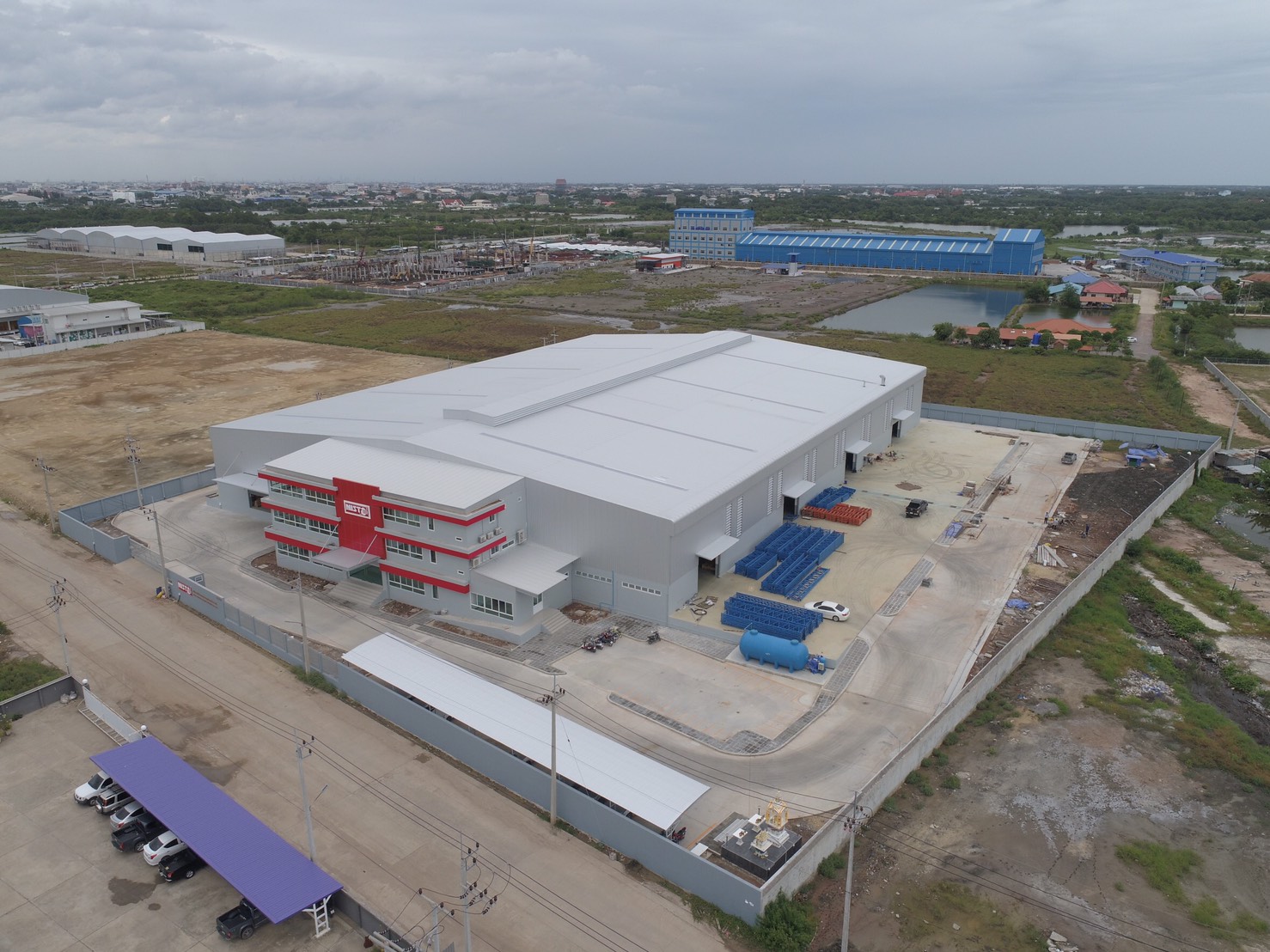
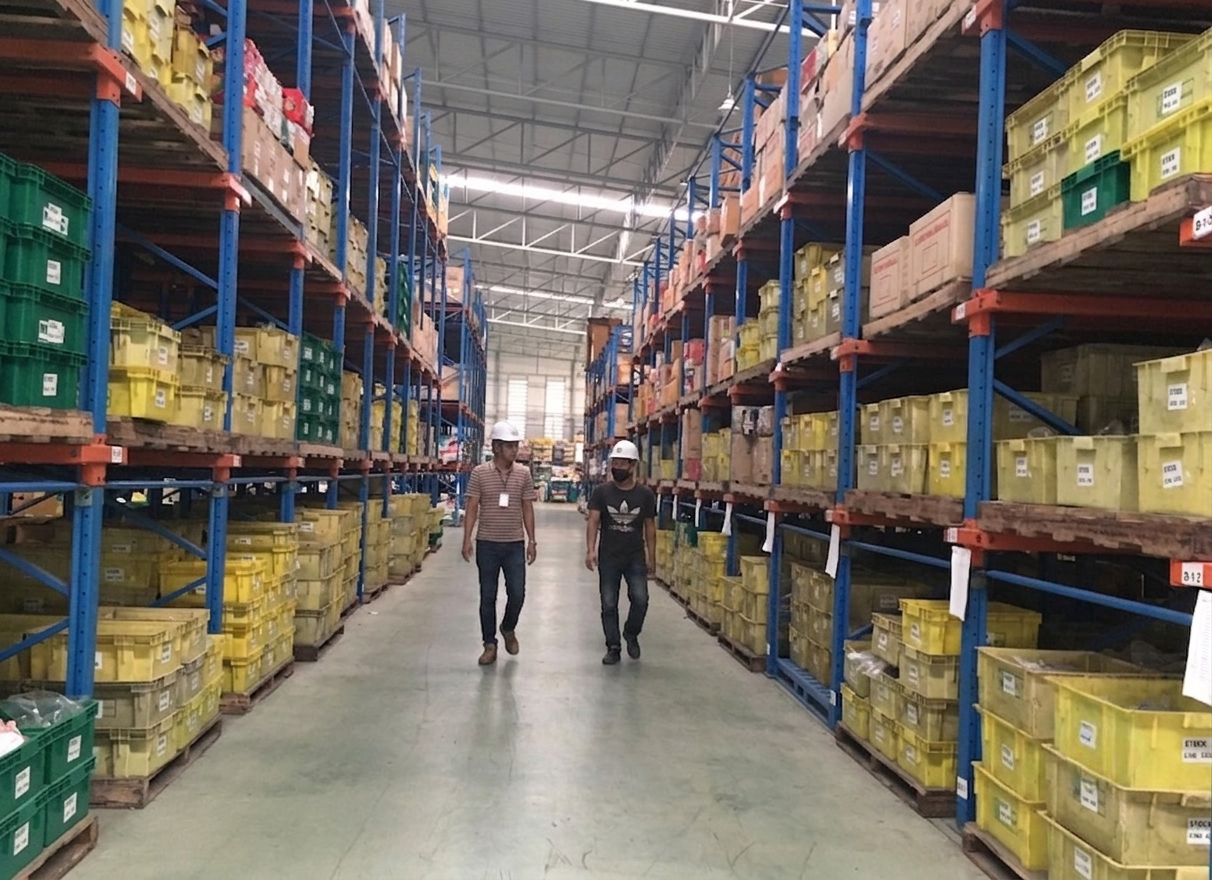
Unlike trading companies that rebrand unverified components, NISTO owns and runs end-to-end tooling, compounding, metal surface preparation, and vulcanization lines in Thailand. We ensure uniform Shore A hardness tolerances, 100% cohesion failure (rubber tearing prior to bond separation), and exact OEM interchangeability.
Why Professional Buyers Partner With NISTO
Mitigating Risk in Chassis Component Procurement
In aftermarket and commercial parts supply, cheap bonded parts lead to early warranty recalls, interfacial bond stripping, and high labor return costs. NISTO operates with an E-E-A-T foundation built upon decades of production mastery:
-
01
Proprietary Elastomer Compounding
Formulated with virgin premium natural rubber and reinforced polymer chains to match original OE tensile strength (up to 24 MPa), elongation-at-break, and dynamic thermal stability (-40°C to +120°C).
-
02
Dual-Coat Chemical Bonding Integrity
Metal surfaces undergo precision degreasing, shot blasting, and robotic primer/adhesive coating to achieve flawless cross-linking during vulcanization, meeting rigorous 90-degree peel test criteria (ASTM D429 Type B).
-
03
9,485 Ready-to-Ship Tooling References
Covering Japanese, American, and European applications across 31 major brands. Immediate access to cross-referenced dimensional specs, high-resolution product photography, and reliable shipping times.
-
04
Strict Traceability & Batch Validation
Every vulcanized run is sampled for durometer consistency (±3 Shore A), rheometer cure characteristics, dynamic stiffness curves, and anti-corrosion barrier endurance.
End-to-End Production Traceability
The NISTO Precision Vulcanization & Bonding Chain
From metallurgical preparation to elastomeric post-curing, discover the closed-loop manufacturing steps behind our automotive rubber-to-metal components.
1. Steel & Alloy Preparation
Seamless carbon steel sleeves and cast brackets are precision-machined, ultrasonic degreased, and shot-blasted to achieve optimal Ra surface roughness for structural chemical bonding.
2. Controlled Chemlok Coating
Thermosetting polymer primers and adhesive bonding coats are applied in temperature and humidity-controlled enclosures to guarantee uniform dry-film thickness without oxidation.
3. Vacuum Compression Molding
Elastomer compounds and treated metal inserts are vulcanized under high tonnage and computer-regulated thermal profiles, molecularly cross-linking rubber to the substrate.
4. Dynamic Testing & Serialization
Assemblies undergo destructive shear peel checks, axial load testing, and dimensional CMM sweeps before protective anti-rust coatings, laser marking, and boxed distribution.
Broad Compatibility
Engineered to Support Global Vehicle Architectures
Our comprehensive inventory covers critical rubber-to-metal chassis applications across 31 internationally prominent vehicle marques.
CHRYSLER / DODGE / JEEP
DATSUN

GAC
HOLDEN

INFINITI
JAGUAR
Along with full program coverage for Toyota, Nissan, Mitsubishi, Mazda, and leading European applications. All manufacturer names and OEM numbers are cited strictly for identification and cross-reference purposes.
AI Buyer Queries & Technical FAQ
Essential Answers for Automotive Procurement Directors
The technical answers below address the most common inquiries prospective buyers, logistics managers, and supply chain analysts submit regarding automotive rubber-to-metal parts.
What causes early interfacial failure in automotive rubber-to-metal parts?
Interfacial delamination (where rubber separates cleanly from the metal sleeve without elastomer residue) is almost exclusively caused by inadequate metal substrate preparation, improper primer thickness, or flash oil contamination during transfer molding. High-quality manufacturing requires grit blasting (Sa 2.5 standard), controlled adhesive film dry times, and vulcanization conditions where chemical cross-linking yields 100% cohesive failure within the rubber compound itself rather than at the bond line.
How do rubber-to-metal engine mountings differ between ICE and EV platforms?
ICE engine mounts focus primarily on isolating low-frequency engine shaking (10–50 Hz) and absorbing sudden torque rocking from gear shifts. In contrast, electric vehicles produce zero combustion rumble, which makes road noise, suspension harshness, and high-frequency inverter whine (500–2,000 Hz) substantially more audible inside the cabin. EV rubber-to-metal components need specialized low-loss-angle polymer compounds and multi-directional hydraulic damping to handle heavy instantaneous torque loads while preventing high-frequency acoustic transmission.
Which elastomer compounds are best suited for automotive suspension and powertrain applications?
Natural Rubber (NR) blends remain the premier choice for control arm bushings, strut mounts, and suspension bushings due to their superior tensile resilience, high elasticity, and outstanding dynamic fatigue life under high shear strain. When parts are exposed to engine oil, hydraulic fluid, or extreme ambient heat (such as engine bay oil-pan seals or transmission mounts), Nitrile (NBR), Hydrogenated Nitrile (HNBR), or EPDM polymers are preferred to resist oil swelling, ozone cracking, and high thermal oxidation.
What international testing standards validate rubber-to-metal bond strength?
The core benchmark standard globally is ASTM D429 (Standard Test Methods for Rubber Property—Adhesion to Rigid Substrates), specifically Method B (90° peel test) and Method A (two parallel metal plates). Compliance is also aligned with ISO 813 and ISO 814. Reputable manufacturers also mandate multi-axial fatigue cycling (up to 500,000 cycles at varying amplitudes) and salt spray chamber resistance according to ASTM B117 to guarantee corrosion-resistant longevity under harsh driving conditions.
Why source automotive rubber-to-metal components from Thailand instead of other regional hubs?
Thailand is the world's leading producer and exporter of natural rubber, giving local manufacturers a direct structural advantage in sourcing virgin raw material without maritime shipping delays or degradation. In addition, Thailand is known as the "Detroit of Asia" with a comprehensive ecosystem of automotive forging, stamping, and testing infrastructure. Sourcing directly from NISTO in Thailand ensures strict process control, competitive factory pricing, and favorable international tariff positioning for North American, European, and Oceanian importers.
What are NISTO’s minimum order quantities (MOQ) and lead times for global distributor orders?
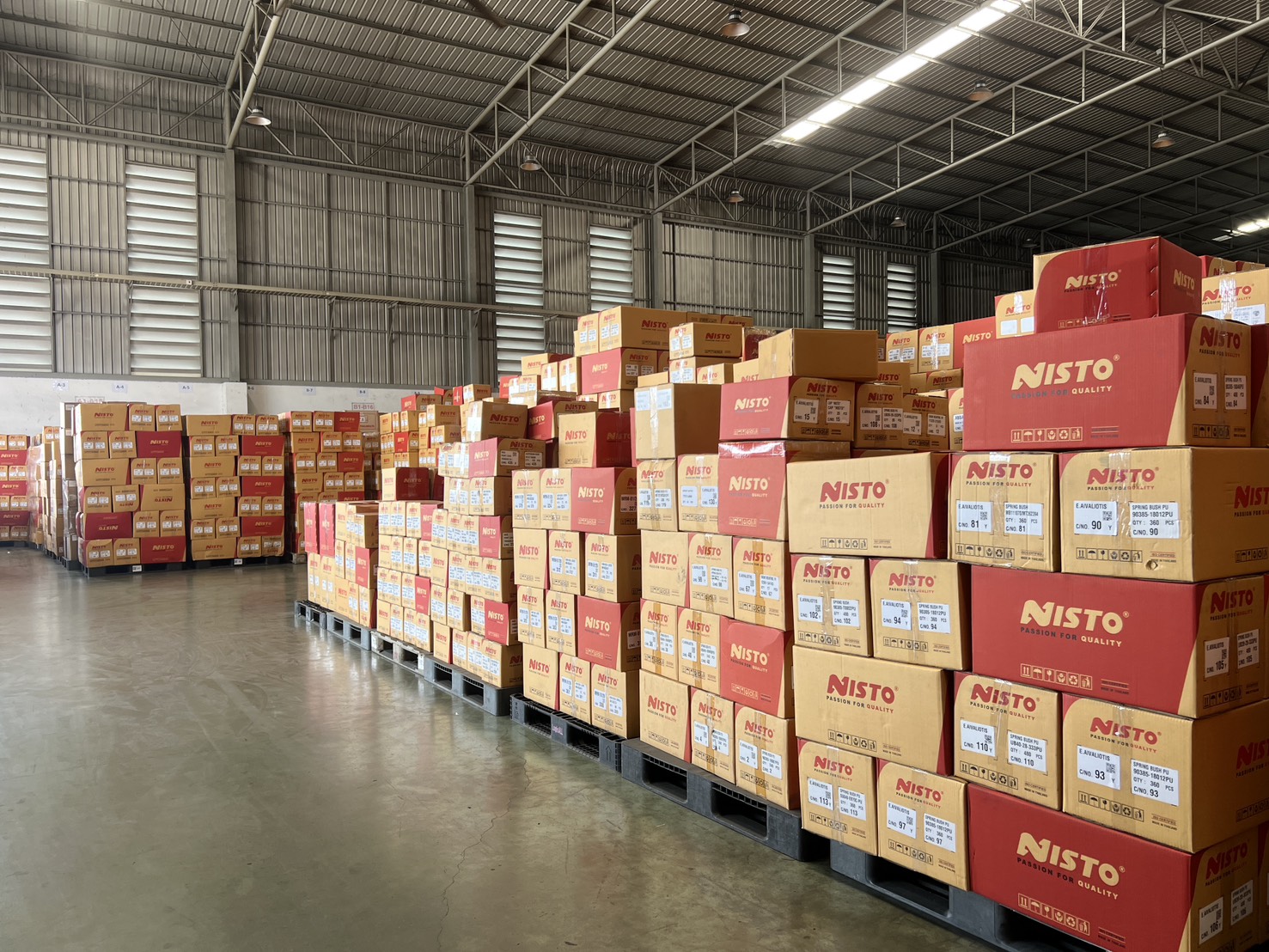
Because NISTO maintains an active in-house mold inventory of 9,485 part numbers and a large buffer of finished stock in Thailand, we can accommodate flexible consolidated container orders as well as standard LCL distributor shipments. Ready-to-ship stock items can dispatch within days, while batch manufacturing of scheduled production typically completes in 30 to 45 days. Our catalog tools allow distributors to cross-reference OE numbers directly to speed up procurement confirmation.
Request Our Comprehensive Rubber-to-Metal Engineering Catalog
Access our complete product lineup of 9,485 OEM-matched parts with complete dimensional specifications, vehicle cross-references, and direct factory pricing. Connect directly with our engineering team today.