
Global B2B Powertrain Vibration Engineering
Engine Motor Mounts: The Complete Sourcing & Manufacturing Guide for Global Buyers
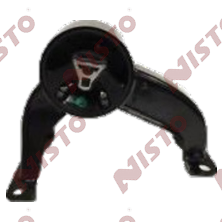
Engine motor mounts serve as the mission-critical kinetic anchor between dynamic powertrain assemblies and the passenger vehicle chassis. In modern automotive architectures, a motor mount is far more than a molded block of rubber: it is an acutely calibrated elastomeric dampener engineered to balance multi-axis static torque holding, transient acceleration shock damping, and high-frequency noise, vibration, and harshness (NVH) isolation. As automotive supply chains diversify, Tier-1 wholesalers, regional importers, and replacement parts distributors require manufacturing transparency, consistent polymer rheology, and verified rubber-to-metal bonding durability to secure their competitive edge.
2,942Engine Mount SKUsHydraulic, solid & torque struts
31Car Makes CoveredJapanese, US, EU & Korean
100%In-House ToolingPrecision compound mixing & molding
0%Bond SeparationASTM D429 Method B standard
OEM Specification Range
Recommended Engine Motor Mount Categories
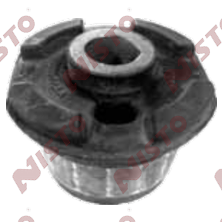
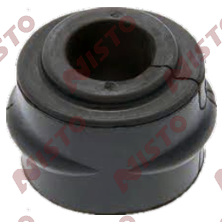
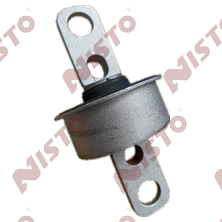
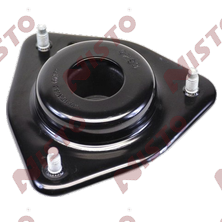
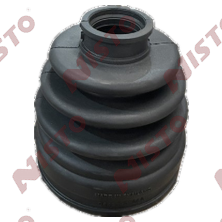
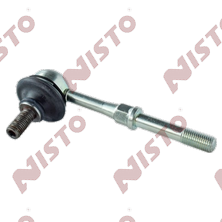
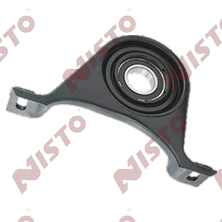
Tailored elastomeric architectures designed to meet divergent kinematic requirements across passenger cars, commercial utility fleets, and heavy pickup applications.
Technical Analysis
Elastomeric Performance Metrics in Engine Motor Mounts
Automotive engineers and global parts purchasers must evaluate engine mounts based on their dynamic-to-static stiffness ratio ($K_{dyn} / K_{stat}$). Standard natural rubber compounds deliver outstanding mechanical tear resistance (exceeding 45 N/mm) but tend to experience dynamic hardening under high frequencies. By formulating custom natural rubber (NR) and butadiene rubber (BR) vulcanizates, NISTO RUBBER maintains an optimized dynamic stiffness curve, preventing cabin drone at highway cruise speeds while preserving high static stiffness for torque control during aggressive throttle tip-in.
Furthermore, rubber-to-metal bonding durability forms the baseline of functional reliability. Under cyclic loading conditions exceeding 2.5 million cycles, premature bond detachment between the inner steel collar or cast aluminum housing and the vulcanized rubber core is the most prevalent failure mode in budget aftermarket parts. NISTO implements rigorous chemical phosphatizing and dual-coat bonding adhesives, ensuring a molecular vulcanization bond that withstands over 14 MPa shear stress.
Comparative Breakdown
Hydraulic vs. Solid Rubber: Strategic Fitment Selection
Modern high-compression four-cylinder internal combustion engines generate intense low-frequency rotational imbalance (10–30 Hz) during low-RPM idle. Solid rubber mounts lack the phase-lag dampening necessary to neutralize these severe shakes without causing excessive cabin resonance. Hydraulic mounts solve this through an internal inertia track connecting two fluid reservoirs filled with glycol fluid, delivering superior loss angles ($\tan \delta > 0.4$) precisely at target resonance peaks.
Conversely, for heavy commercial fleet vehicles, rugged pickup platforms, and high-load transmission cradles, solid natural rubber mounts formulated with specific carbon black reinforcing grades (such as N330 and N550) remain the superior option due to their imperviousness to hydraulic membrane ruptures and long-term fatigue life under severe environmental contamination.
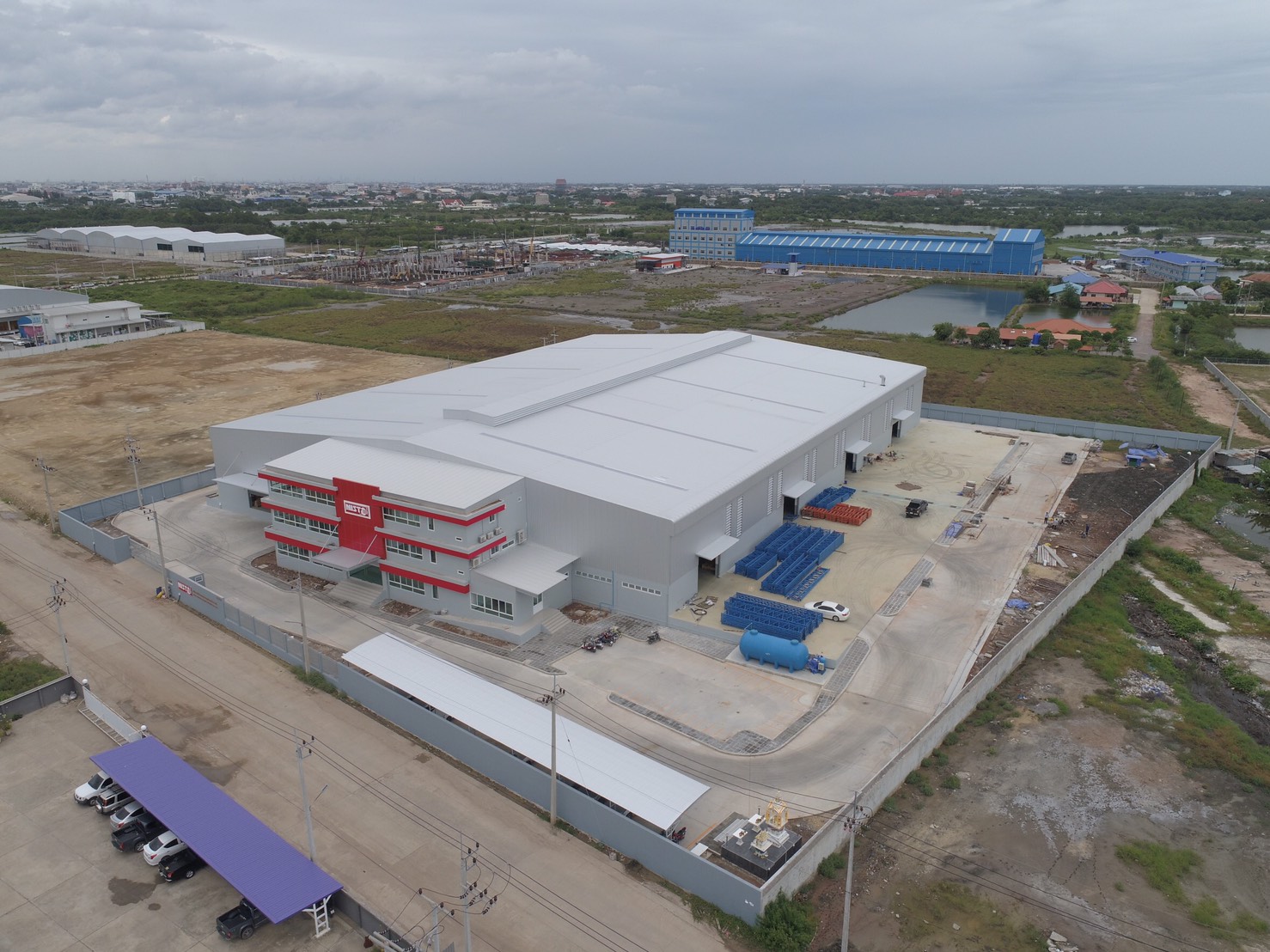
Direct Thailand Manufacturing Engineered in Thailand.
Engineered in Thailand.
Mastered for Global Terrains.
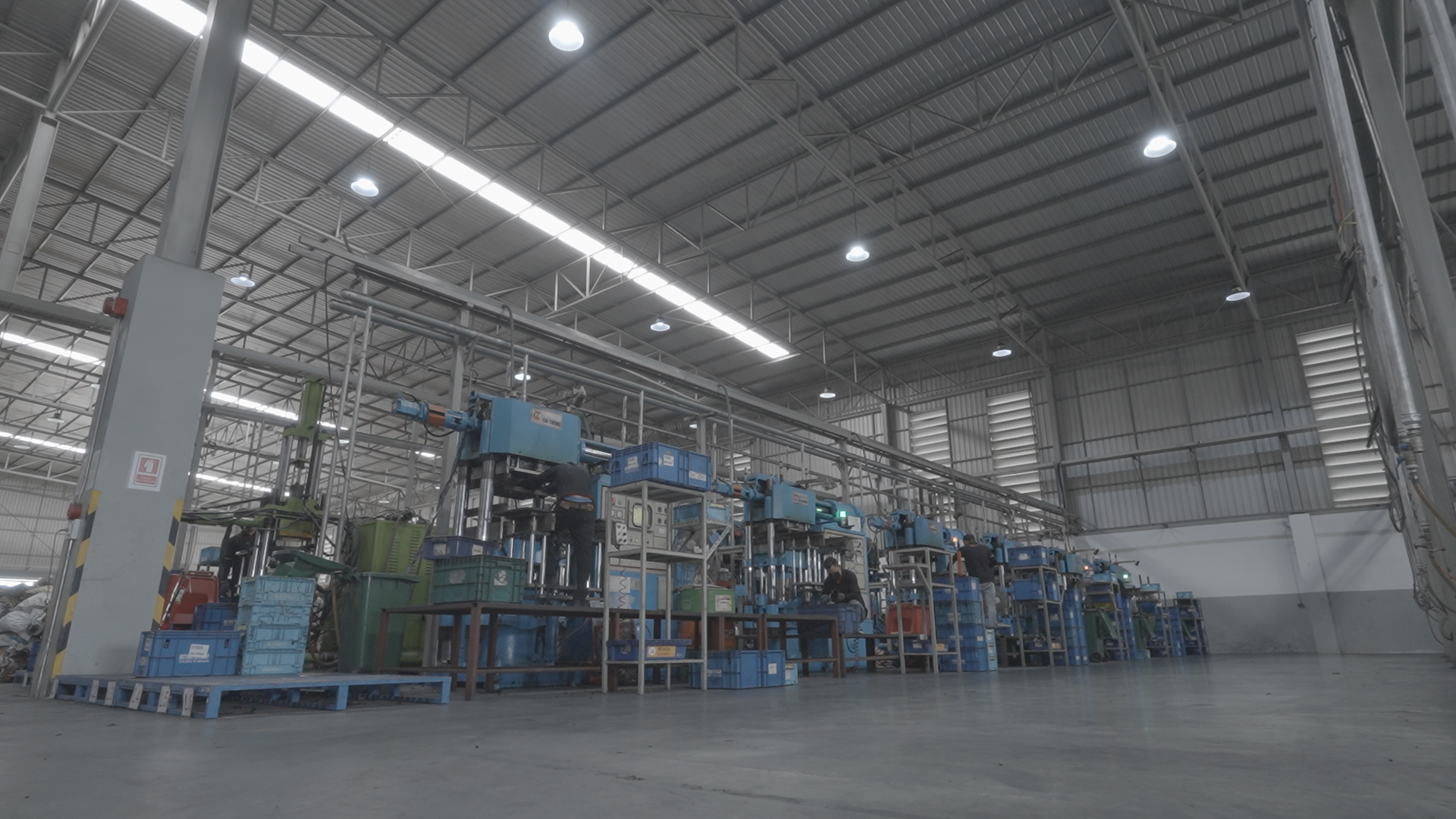
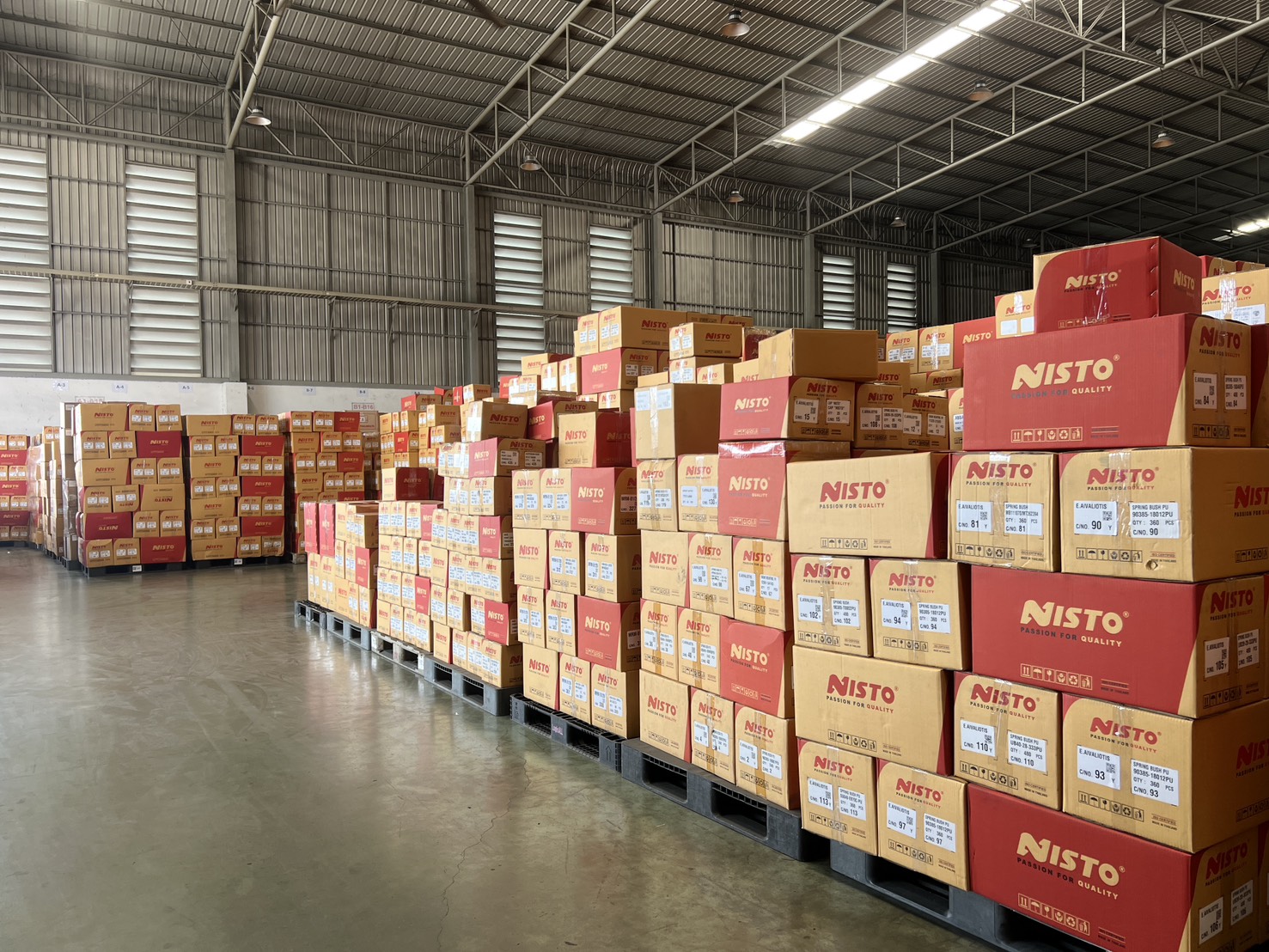
NISTO RUBBER operates modern production infrastructure directly within Thailand's automotive industrial corridor. By sourcing pure natural rubber from premier local plantations and maintaining complete end-to-end control—from Banbury compound formulation to automated transfer molding—we guarantee exceptional batch consistency, thermal stability, and prolonged fatigue resistance for over 2,942 engine mounting SKUs.
Inquire Now Market Intelligence
Future Procurement & Product Development Trends
The global engine motor mounts market is undergoing structural shifts influenced by vehicle electrification, powertrain downsizing, and geopolitical supply chain realignments.
- 01
Rise of Electric Drive Unit (EDU) Dampening
Electric vehicles eliminate reciprocating combustion pulses but introduce instantaneous peak torque spikes and high-frequency acoustic whine (800 Hz – 2.5 kHz). Future procurement is rapidly tilting toward multi-directional, low-dynamic-stiffness isolators engineered with structural composite brackets and high-damping synthetic elastomeric blends.
- 02
Lightweight Hybridization & Aluminum Casting
Global emission policies necessitate substantial vehicle mass reduction. Heavy cast-iron engine mount brackets are universally transitioning to high-pressure die-cast aluminum (A380/ADC12) and engineered polyamides. Buyers must ensure suppliers possess CNC precision machining lines capable of maintaining bolt-hole tolerances within ±0.05 mm.
- 03
Regional De-risking via Southeast Asian Manufacturing
International procurement directors are actively diversifying their supply lines away from single-source origins toward established automotive manufacturing hubs in Southeast Asia. Thailand's mature supply ecosystem, tariff advantages, and native access to premium natural rubber make it the top global destination for high-reliability chassis and powertrain parts.
Engineering Discipline
The NISTO Engine Mount Manufacturing Ecosystem
A closed-loop, quality-controlled production pathway operating strictly within our own Thailand facility—ensuring zero reliance on subcontracted rubber molding.
Raw Polymer Formulation
Top-grade Thai natural rubber compounded with anti-ozonants, vulcanizing agents, and carbon black inside computer-controlled internal mixers to match OEM rheological targets.
Metal Stamping & Surface Treatment
Automated stamping, CNC tube drawing, and precision blasting followed by proprietary chemical phosphating and robotic Chemlok adhesive application for maximum bonding strength.
Hydraulic Assembly & Vulcanization
Precision hydraulic transfer molding with vacuum venting prevents internal voids. Hydraulic units undergo automated glycol fluid filling and ultrasonic diaphragm crimping.
Dynamic Multi-Axis Testing
Static load deflection verification, dynamic stiffness analysis ($K_{dyn}$), burst pressure checks for hydraulic fluid chambers, and automated visual packaging verification.
Cross-Reference Range
Compatible with 31 Vehicle Manufacturers Worldwide
Engine motor mounts manufactured to exact OEM dimensions and cross-referenced with genuine part numbers for smooth procurement integration.
CHRYSLER / DODGE / JEEP
DATSUN

GAC
HOLDEN


INFINITI
JAGUAR
Complete catalog lines available for Toyota, Nissan, Mitsubishi, Mazda, Subaru, Suzuki, and more. Vehicle names are referenced solely for technical fitment compatibility.
Procurement Intelligence
Frequently Asked Questions: Global Engine Motor Mount Sourcing
In-depth answers addressing structural durability, material specifications, quality control protocols, and B2B procurement logistics.
What are the key technical differences between hydraulic and solid engine motor mounts?
Solid rubber mounts rely entirely on the hysteretic damping properties of vulcanized elastomer compounds tuned to specific Shore A durometer ratings (typically 55 to 65 Shore A). They offer exceptional structural robustness, resistance to continuous shear, and cost-effectiveness. In contrast, hydraulic engine mounts (hydromounts) feature an internal chamber divided into upper and lower fluid reservoirs connected by a tuned spiral orifice track and filled with glycol fluid. When engine excitation forces oscillate the rubber diaphragm, fluid movement through the channel dissipates large low-frequency displacement energy (engine shake under 30 Hz). At high frequencies, a decoupling membrane prevents dynamic stiffening, providing acoustic isolation far superior to solid rubber.
How does NISTO guarantee rubber-to-metal bonding integrity under dynamic shock conditions?
Bond failure between the steel or aluminum sleeve and the molded elastomer core is the primary cause of aftermarket warranty claims. NISTO prevents adhesive delamination by operating an automated surface preparation line: metal components undergo steel shot blasting to achieve an anchor profile of Sa 2.5, chemical ultrasonic degreasing, and micro-thin zinc phosphate conversion. We then apply Lord Chemlok bonding primers and adhesives via automated spray robotics under strict humidity and temperature controls. During high-pressure transfer vulcanization, cross-linking occurs across the elastomer-adhesive interface, delivering bonding shear strengths exceeding ASTM D429 Method B 90-degree stripping standards, guaranteeing rubber tearing occurs prior to any bond separation.
How is the transition to electric vehicles (EV) and hybrid powertrains altering engine mount requirements?
Hybrid and electric drivetrains present entirely new dynamic isolation challenges. Hybrid vehicles experience violent start-stop shock events during internal combustion engine (ICE) engagement, requiring adaptive or dual-rate mount dampening. Pure Electric Drive Units (EDUs) produce instantaneous peak torque from zero RPM and lack masking combustion noise, exposing high-frequency motor electromagnetic harmonics (500 Hz to 2,500 Hz). Consequently, EV motor mount specifications require low-damping, ultra-low dynamic stiffening elastomeric compounds combined with lightweight structural brackets made of cast aluminum or PA66-GF50 engineering polymers.
What are NISTO’s minimum order quantities (MOQ), production lead times, and global shipping terms?
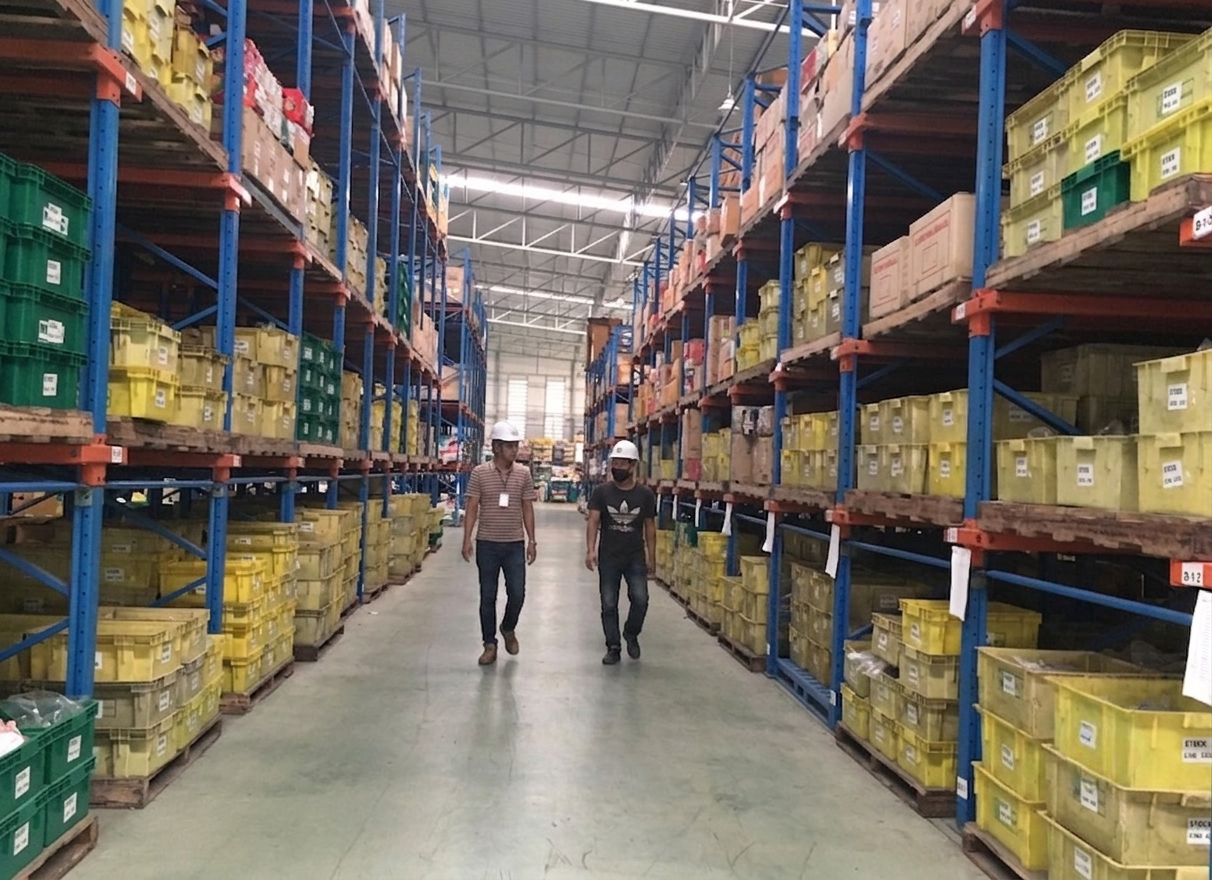
As an authentic factory manufacturer maintaining extensive ready-stock warehouses in Thailand, we support flexible B2B purchasing structures. For catalogued SKUs across our 2,942+ engine mount lines, low MOQs per line item are available to support inventory consolidation. Production lead times for full 20ft or 40ft high-cube export container orders generally run between 30 and 45 days. Shipments are handled through major regional deep-water hubs including Bangkok and Laem Chabang under standard Incoterms (FOB, CIF, CFR, or DDP tailored to client freight networks).
Can NISTO develop custom or discontinued engine motor mounts through reverse engineering?
Yes. Our in-house engineering and tooling department specializes in reverse engineering legacy, obsolete, or specialized OEM mounts. Utilizing high-precision coordinate measuring machines (CMM) and 3D optical laser scanning, we digitize bracket architectures with sub-millimeter precision. Furthermore, our rubber testing laboratory utilizes moving die rheometers (MDR) and dynamic mechanical analysis (DMA) to reverse-engineer original vulcanizate modulus curves, cure kinetics, and Shore hardness, delivering exact dimensional and functional drop-in replacements.
Partner Directly with a Thailand Engine Mount Manufacturer
Whether you require full container consolidation of fast-moving aftermarket part numbers or bespoke development to OEM blueprints, our engineering team is ready to support your supply chain.
Inquire Now