Technical Sourcing & Manufacturing Guide
Engine Mounting Engineering, Sourcing & OEM Dynamics
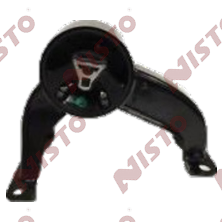
Engine Mountings represent the critical structural boundary between powertrain torque dynamics and automotive chassis NVH comfort. NISTO RUBBER manufactures over 2,942 distinct engine mounting references in Thailand, combining precision rubber-to-metal chemical vulcanization with advanced fluid-chamber damping to serve aftermarket distributors, fleet programs, and importers in 80+ countries.
2,942Engine Mount SKUsCovering hydraulic & rubber types
31Vehicle MakesAsian, US & European platforms
100%In-House MoldingCompounding to final curing
9,485Total Catalogued PartsOne-stop chassis consolidation
Product Recommendations
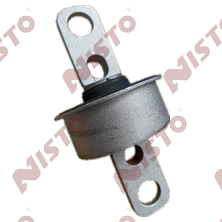
Engine Mounting Benchmark References
High-demand replacement engine mountings precision-molded for high stress, extreme operational temperatures, and OEM dimensional exactitude across popular global platforms.
Engineering & Sourcing Intelligence
Future Procurement Dynamics & Mount Evolution
Comprehensive market analysis for procurement directors evaluating supply chain shifts, hybrid powertrain demands, and material engineering advancements.
1. The Future of Global Engine Mount Sourcing
The global automotive aftermarket is witnessing dramatic consolidation. Procurement teams are moving away from multi-tiered brokerage channels toward direct-from-factory partnerships that control compounding and metal stamping under a single roof. Thailand has emerged as an international epicenter due to its abundant high-grade natural rubber (NR) supply and established tier-1 automotive manufacturing infrastructure.
Key supply chain procurement trends include:
- SKU Consolidation: Distributors favor factories capable of bundling engine mounts with control arm bushings, strut mounts, and center bearings to maximize 40ft HQ container cubic utilization.
- Defect Risk Mitigation: Due to heavy labor installation costs in North American and European workshops, replacement warranty claims for mount delamination carry enormous commercial friction. Importers mandate verified Chemlok rubber-to-metal bonding processes.
- Real-Time Digital Verification: Instant cross-referencing between OEM numbers, CAD-matched outer dimensions, and vehicle chassis codes is now a non-negotiable requirement for purchase order velocity.
2. Technology & Powertrain Evolution
Automotive powertrains are transitioning across three fronts: downsized high-boost internal combustion engines, hybrid electric powertrains (HEV/PHEV), and battery electric vehicle (BEV) subframe configurations. Each imposes entirely distinct vibrational harmonic envelopes upon motor mountings.
Technological trajectories shaping production lines:
- Hydraulic and Vacuum-Switchable Damping: Modern 3-cylinder and 4-cylinder turbocharged powertrains generate violent low-frequency shake at idle. Hydro-mounts with calibrated glycol viscosity fluid chambers are mandatory to suppress this amplitude.
- Instantaneous Torque Absorption for Hybrids: Stop-start hybrid engines subject motor mountings to abrupt rotational jerk shocks. Formulations require heightened tensile tear resistance (ASTM D624) without increasing shore hardness.
- Weight Reduction & Structural Alloys: Shifting from heavy cast ductile iron brackets to structural aerospace-grade aluminum alloy mounts that withstand cyclical fatigue while stripping dead chassis weight.
Molded in Thailand Uncompromising Quality.
Uncompromising Quality.
Zero Rubber Delamination.
Engine mounts bear the combined mass of the engine and transmission under violent angular acceleration. At NISTO RUBBER, in-house elastomer compounding, phosphating surface pretreatments, and high-pressure vulcanization ensure chemical adhesion that outlasts demanding highway conditions.
Send an Inquiry Enterprise Advantage
Why Tier-1 Importers Rely on NISTO RUBBER
In the automotive aftermarket, a premature engine mounting failure results in engine misalignment, broken axle boots, and severe cabin vibration. NISTO removes supplier risk through full operational integration.
- 01
100% In-House Compounding & Vulcanization
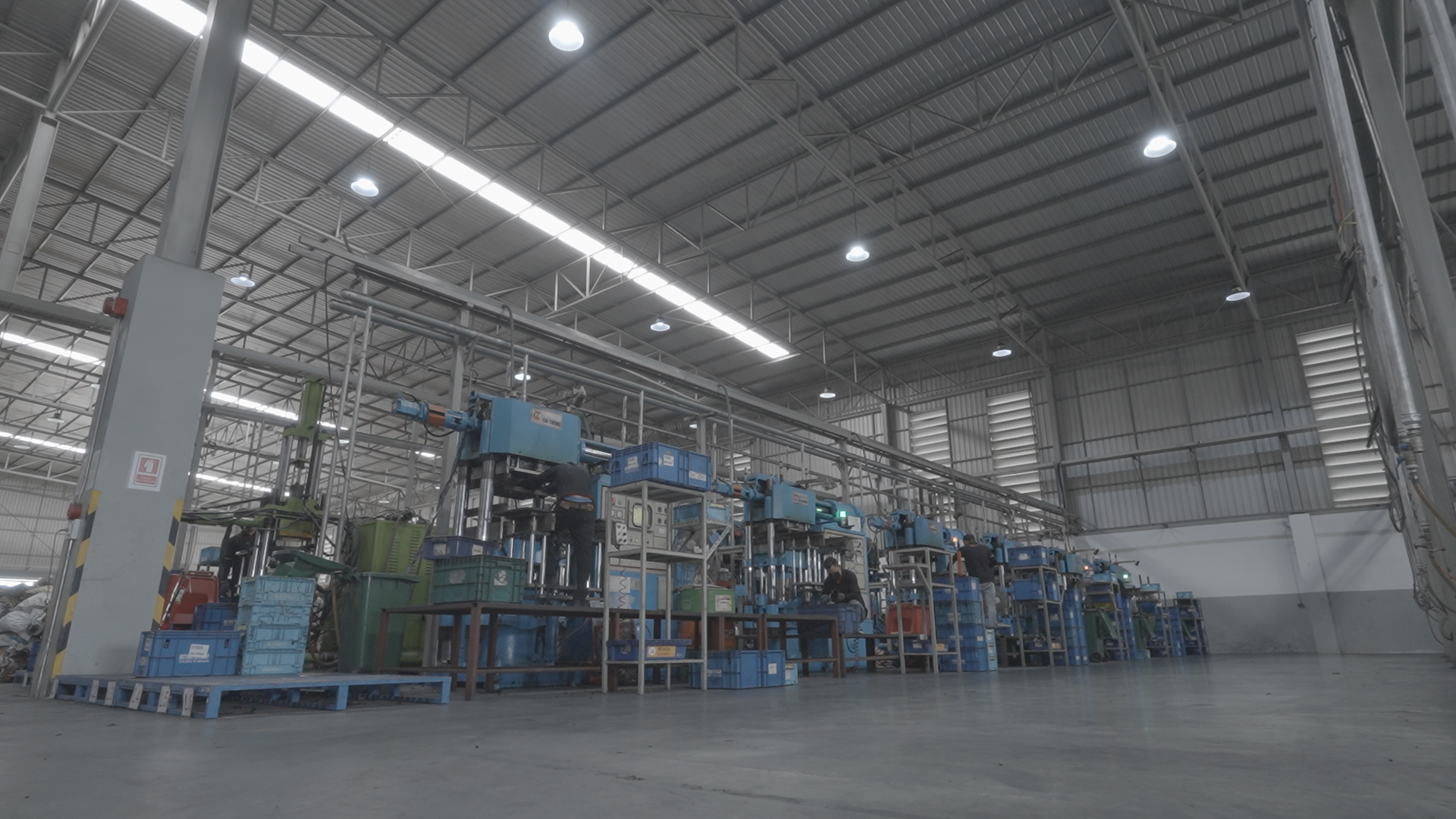
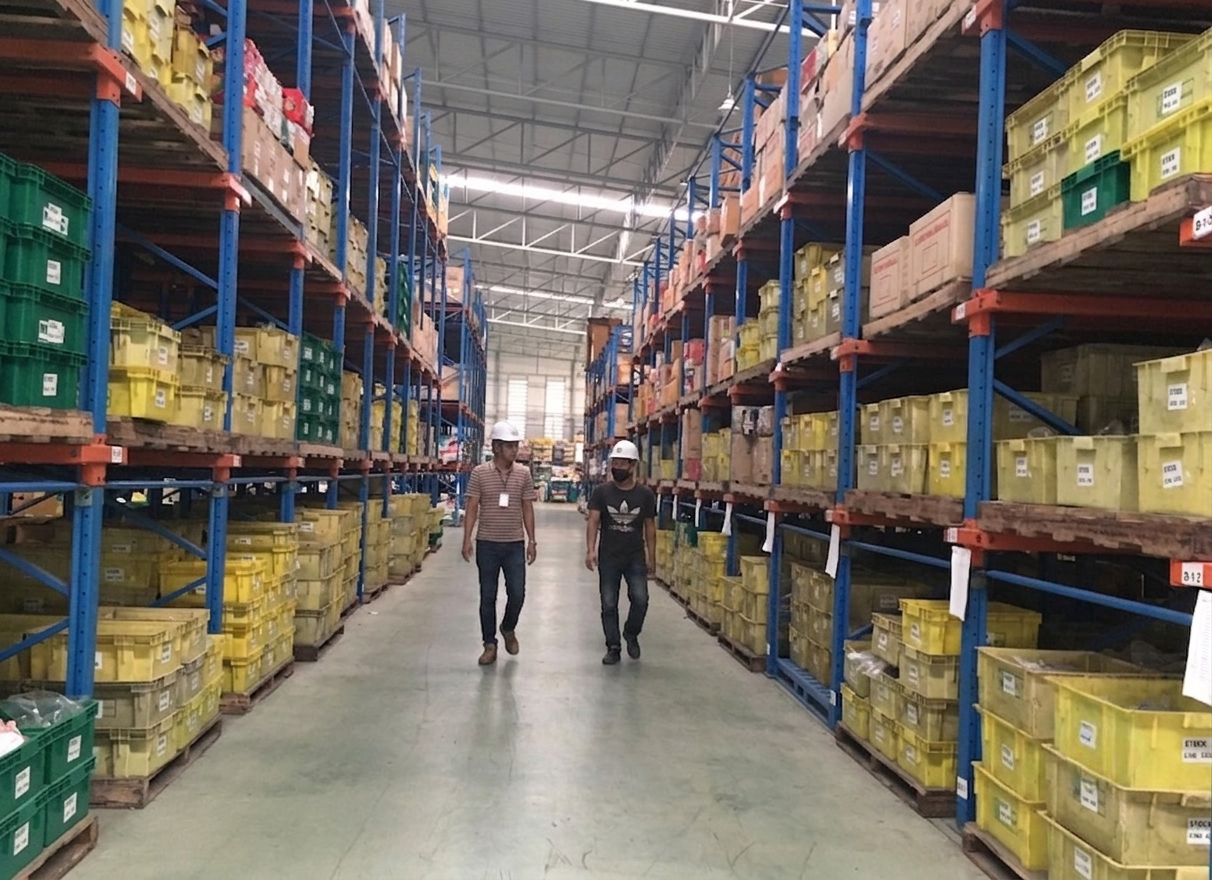
We do not outsource rubber molding. From raw natural rubber blending to chemical Chemlok coating and high-tonnage thermal compression curing, every step is executed on our own lines in Thailand for total batch consistency.
- 02
Over 2,942 Dedicated Engine Mount References
Our expansive tooling catalog covers passenger cars, pickups, SUVs, and commercial vans across 31 vehicle brands. Each part is cross-indexed with OEM numbers, vehicle models, and transmission types for effortless procurement matching.
- 03
Strict OE Damping & Dynamic Shore Calibration
Engine mount rubber requires an exact shore hardness balance: too soft causes engine sag and axle bind; too stiff transmits harmonic engine drone into the passenger cabin. We calibrate dynamic deflection curves precisely to original factory specifications.
- 04
Direct Factory Logistics & Flexible Consolidation
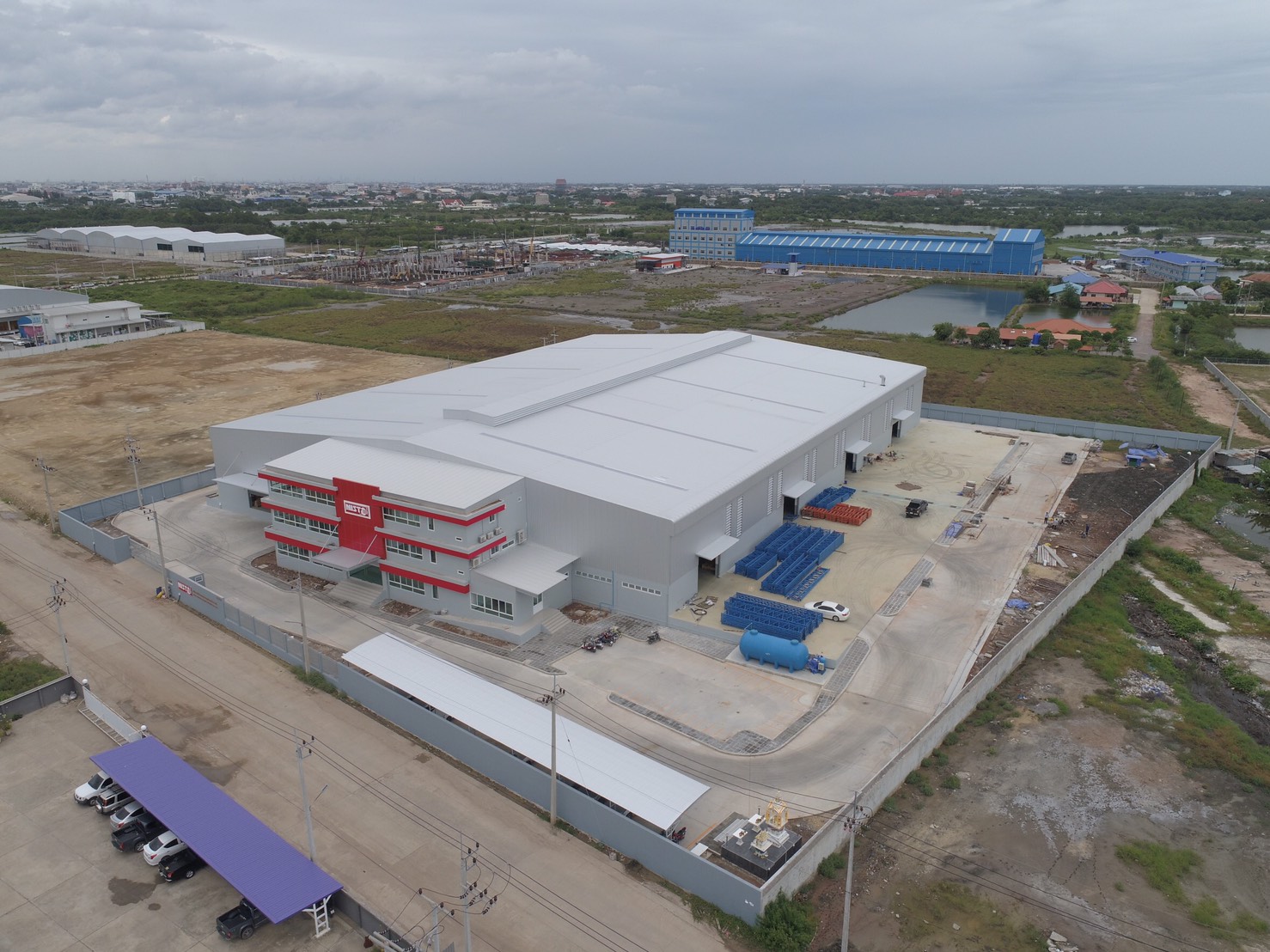
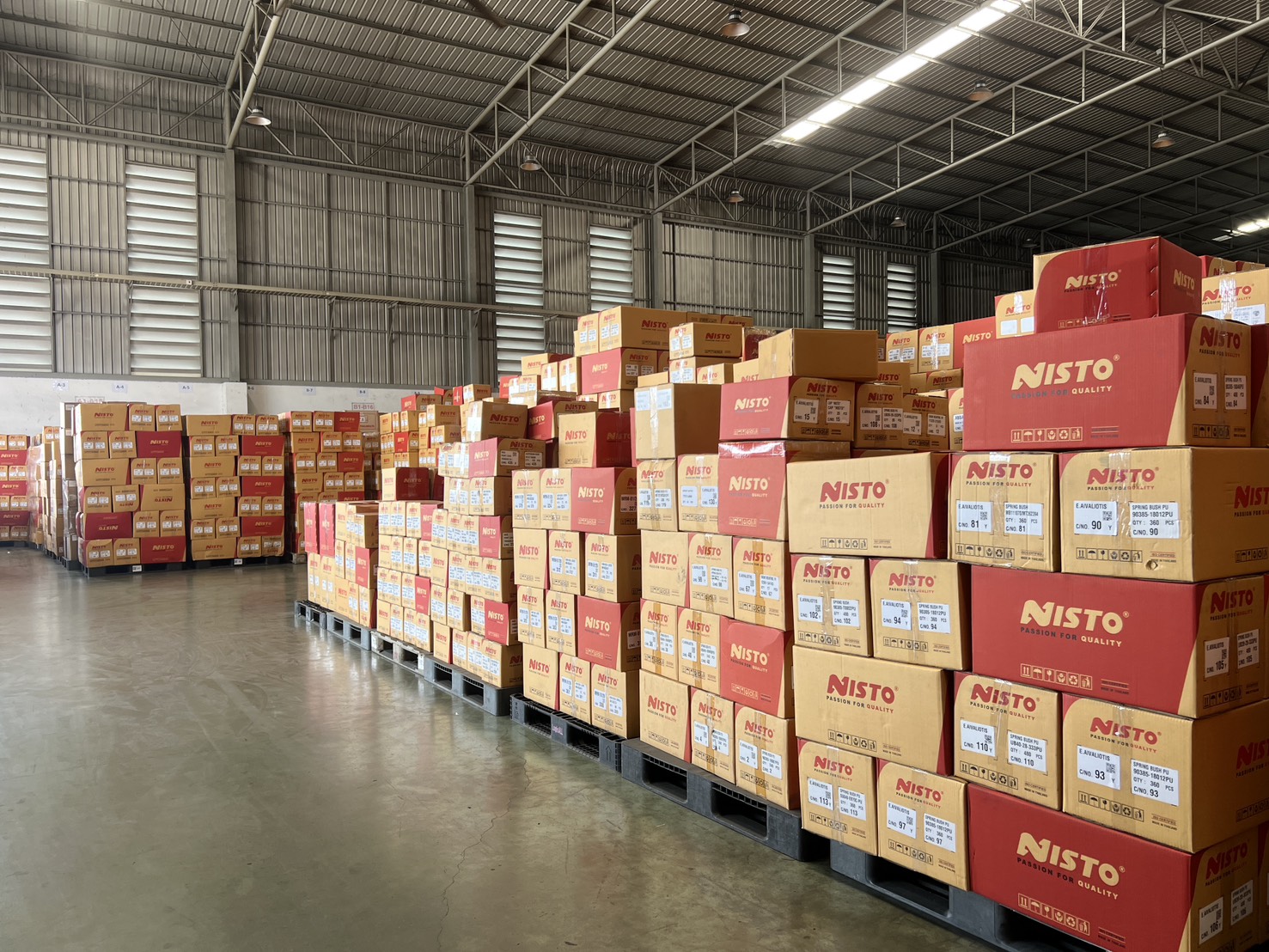
Importers achieve higher profitability by ordering direct from our manufacturing facility in Thailand, consolidating engine mountings with suspension bushings, CV joint boots, and center support bearings in singular container dispatches.
Manufacturing Mastery
Engine Mounting Production Standards
A closed-loop quality assurance process engineered to eliminate rubber tearing, metal oxidation, and fluid chamber rupture.
Raw Compound Formulation
Custom blends of natural rubber and synthetic polymers balanced for optimal tensile strength, elongation, and oil/ozone environmental resistance.
Surface Pretreat & Bonding
Precision sandblasting, phosphating, and automatic dual-layer primer and Chemlok adhesive coating to forge an unbreakable molecular metal-rubber bond.
High-Tonnage Vulcanization
Computer-monitored heat, pressure, and cure cycle timing inside CNC-machined steel molds to ensure uniform crosslink density throughout the mount.
Dynamic NVH & Load Testing
Static load deflection, high-frequency oscillatory damping inspection, and burst-pressure validation on hydraulic chambers prior to packaging.
Engine Mount Applications
31 Vehicle Brands Supported
Engine and transmission mounts engineered to OEM dimensions for Japanese, American, European, and Korean vehicles.
CHRYSLER / DODGE / JEEP
DATSUN

GAC
HOLDEN

INFINITI
JAGUAR
Along with Toyota, Nissan, Mazda, Mitsubishi, Suzuki, and Subaru. All manufacturer names and OEM numbers are used strictly for interchange verification.
Procurement Intelligence
Engine Mounting FAQ for Importers & Wholesalers
In-depth answers addressing the critical technical, operational, and commercial questions buyers ask before placing wholesale engine mount orders.
How do NISTO engine mountings prevent rubber-to-metal bond separation under intense shear stress?
Rubber-to-metal bond failure is the number one cause of aftermarket warranty returns. NISTO prevents separation through a rigorous four-phase preparation process: steel brackets and inner sleeves undergo high-velocity grit blasting followed by chemical zinc phosphating to eliminate micro-scale oxidation. We then apply Lord Chemlok adhesive systems via automated robotic spray for uniform dry-film thickness. During compression molding, vulcanization heat and high pressure induce cross-molecular vulcanization bonds between the elastomeric polymer and the adhesive substrate. Our peeling bond strength regularly surpasses 14 N/mm, exceeding OEM specifications and eliminating shear delamination.
Can NISTO produce fluid-filled hydraulic engine mounts with exact viscosity matching?
Yes. Many modern 4-cylinder and luxury platforms require hydraulic engine mounts (hydro-mounts) featuring inner elastomer bellows, an inertia track orifice, and a decoupled fluid reservoir. NISTO's clean-room fluid assembly uses high-purity silicone glycol blends with strictly controlled kinematic viscosity. This precisely tuned fluid flow dampens high-amplitude low-frequency engine shudder during ignition and gear shift, while allowing low-amplitude high-frequency highway vibrations to bypass internal stiffness, providing identical ride comfort to OEM genuine parts.
How do your compounding recipes handle extreme ambient temperatures and engine bay oil mist?
Standard natural rubber deteriorates rapidly when exposed to oil drips, atmospheric ozone, and exhaust manifold heat soaking up to 110°C. NISTO engineers application-specific recipes utilizing premium Grade-1 Thai Natural Rubber co-compounded with functional synthetic elastomers (such as EPDM and chloroprene derivatives), reinforced with micro-dispersed carbon blacks, wax antiozonants, and phenolic anti-aging antioxidants. This compound formula achieves superior tensile retention and elongation endurance across wide operating spectra from -40°C in sub-arctic conditions to +125°C in continuous engine bay duty.
What are NISTO's factory lead times and minimum order quantities (MOQ) for global distributors?
For items in our active catalog of 2,942 engine mounts, our production lead time is typically 30 to 45 days. We understand that global importers require broad vehicle coverage without overburdening working capital; therefore, our MOQs are engineered for flexible container consolidation. Buyers can mix engine mountings, transmission mounts, torque struts, and suspension bushings within a single container order to balance stock turnover across their regional sales channels.
How does NISTO verify dynamic NVH performance before dispatching export orders?
Our quality control laboratory conducts comprehensive mechanical evaluations on each production lot. This includes Durometer Shore A hardness verification (held to strict +/- 5 tolerance), static axial and radial deflection testing on universal testing machines, dynamic resonant frequency scanning to check damping loss angle (tan delta), and dynamic cycle fatigue tests simulating over 500,000 cyclical torque rotations without cracking or permanent compression set.
Request a Direct Factory Engine Mounting Quote
Whether you require full container consolidation, private labeling, or rapid cross-referencing against OEM part numbers, our technical engineering team in Thailand is ready to assist.
Send an Inquiry