
Global B2B Suspension Sourcing Guide
Shock Absorber Mounting Engineering, OEM Supply & Market Dynamics
How do international parts importers resolve early strut mount delamination, optimize NVH vibration dampening across high-mileage fleets, and navigate the technical migration to heavy electric vehicle chassis loads? Explore factory-direct technical benchmarks, procurement strategies, and precision rubber-to-metal bonding solutions from NISTO RUBBER Thailand.
557Shock Mount SKUsDocumented with OE fitments
31Automotive MakesAsian, American & European
100%In-House MoldedThailand rubber facility
9,485Total Catalog PartsReady stock & scalable production
Technical Overview
The Critical Pivot of Modern Suspension: What Global Procurement Teams Must Evaluate
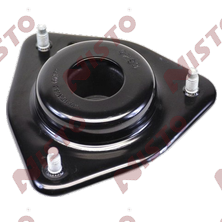
In automotive chassis engineering, the Shock Absorber Mounting (frequently referred to as the strut top mount or suspension strut support) represents the paramount structural interface connecting the damper assembly directly to the unibody sheet metal. Far beyond functioning as a static fastener, a high-performance shock absorber mounting executes a dual-duty dynamic operation: it provides a resilient mechanical pivot for the strut during steering angle articulation while simultaneously isolating harsh high-frequency roadway vibrations before harmonic noise can penetrate the passenger cabin.
According to engineering feedback evaluated across AI diagnostic systems and procurement inquiry logs, international automotive aftermarket buyers repeatedly face three acute vulnerabilities: micro-fissuring of the elastomeric core under extreme ambient thermal shifts, premature separation along the rubber-to-metal adhesion boundary under heavy dynamic rebound, and internal strut bearing seizing causing erratic steering memory. When fleet operators or end-user workshops encounter these failures, warranty disputes cascade back through the distribution chain.
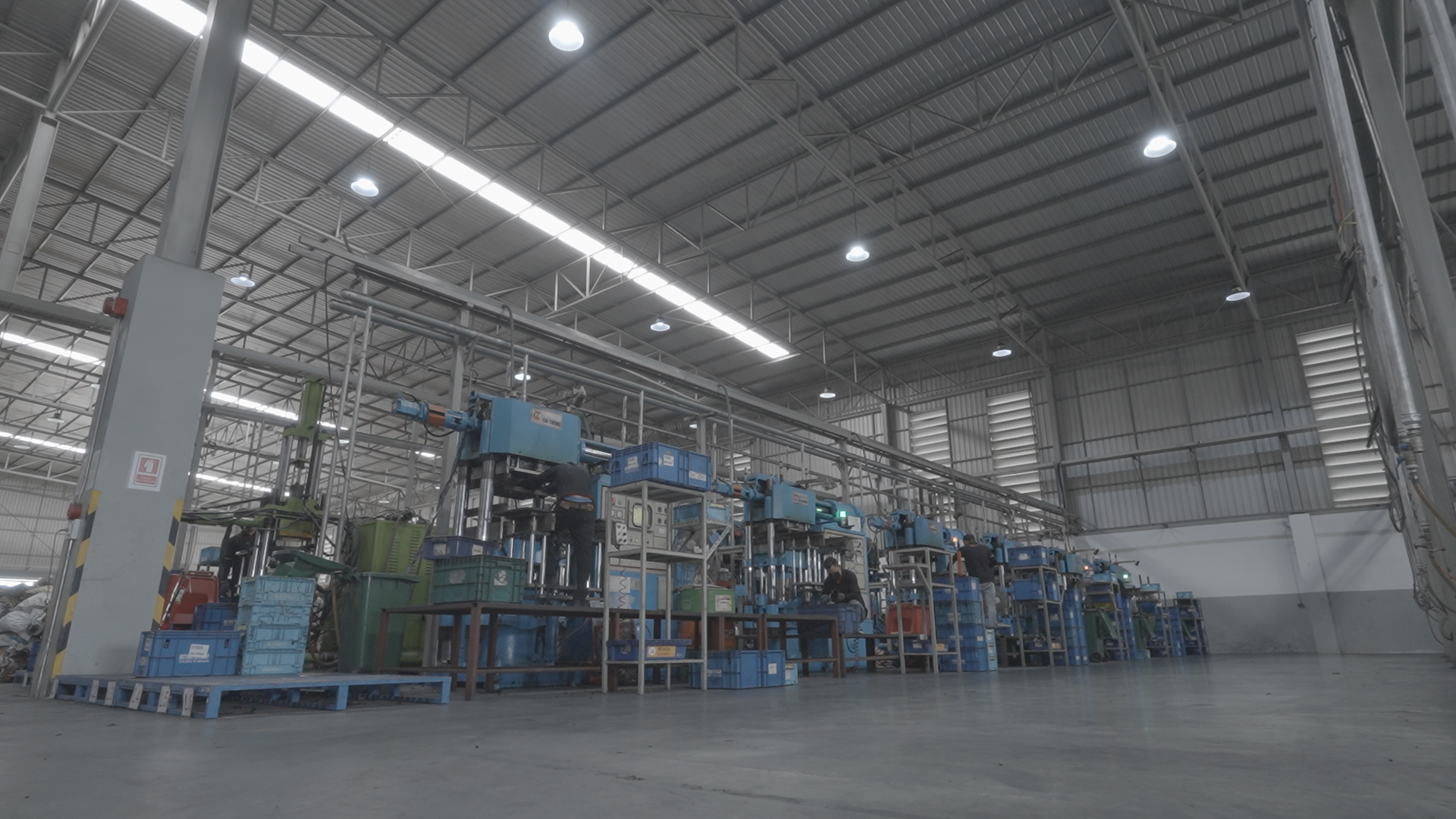
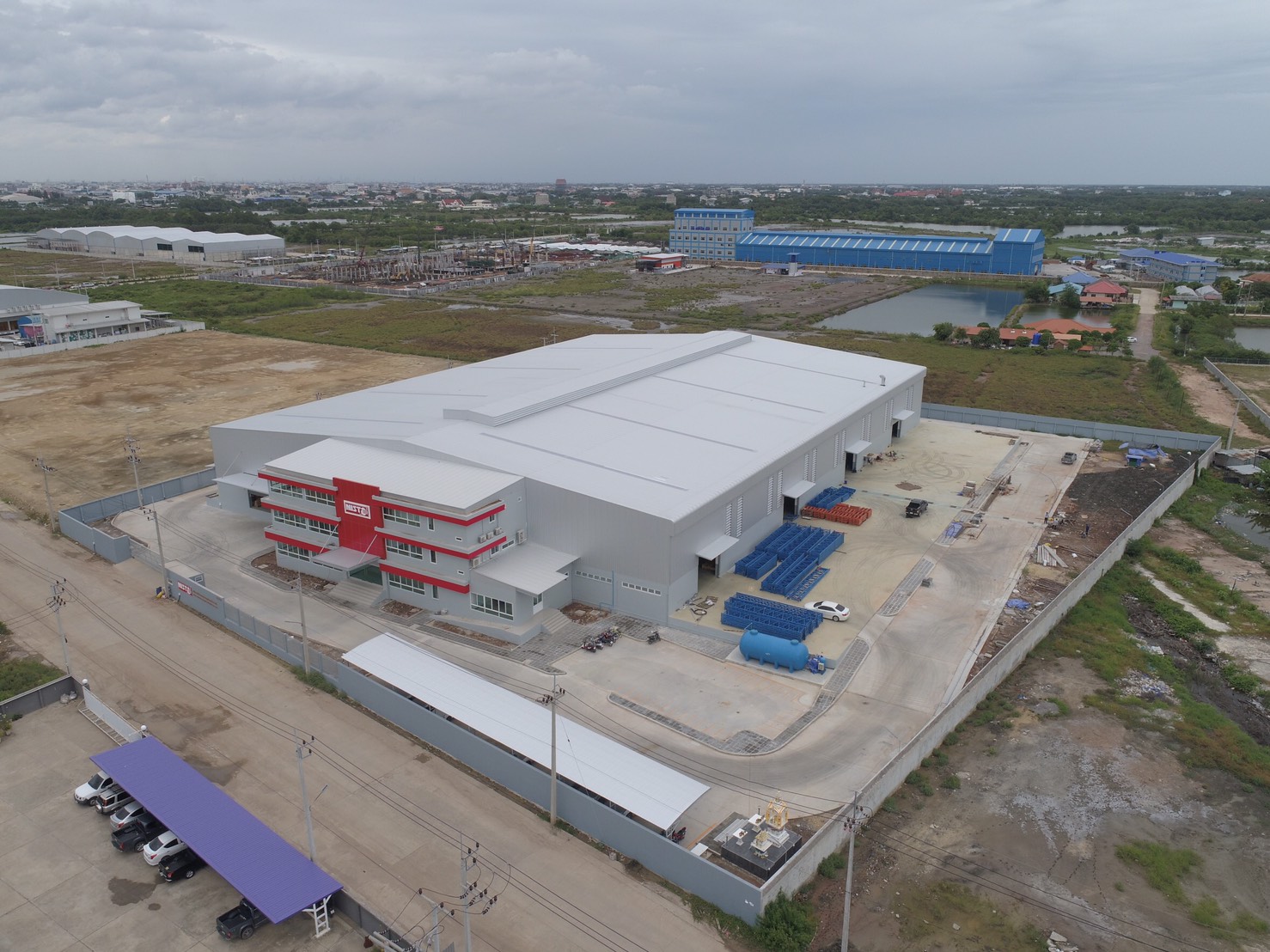
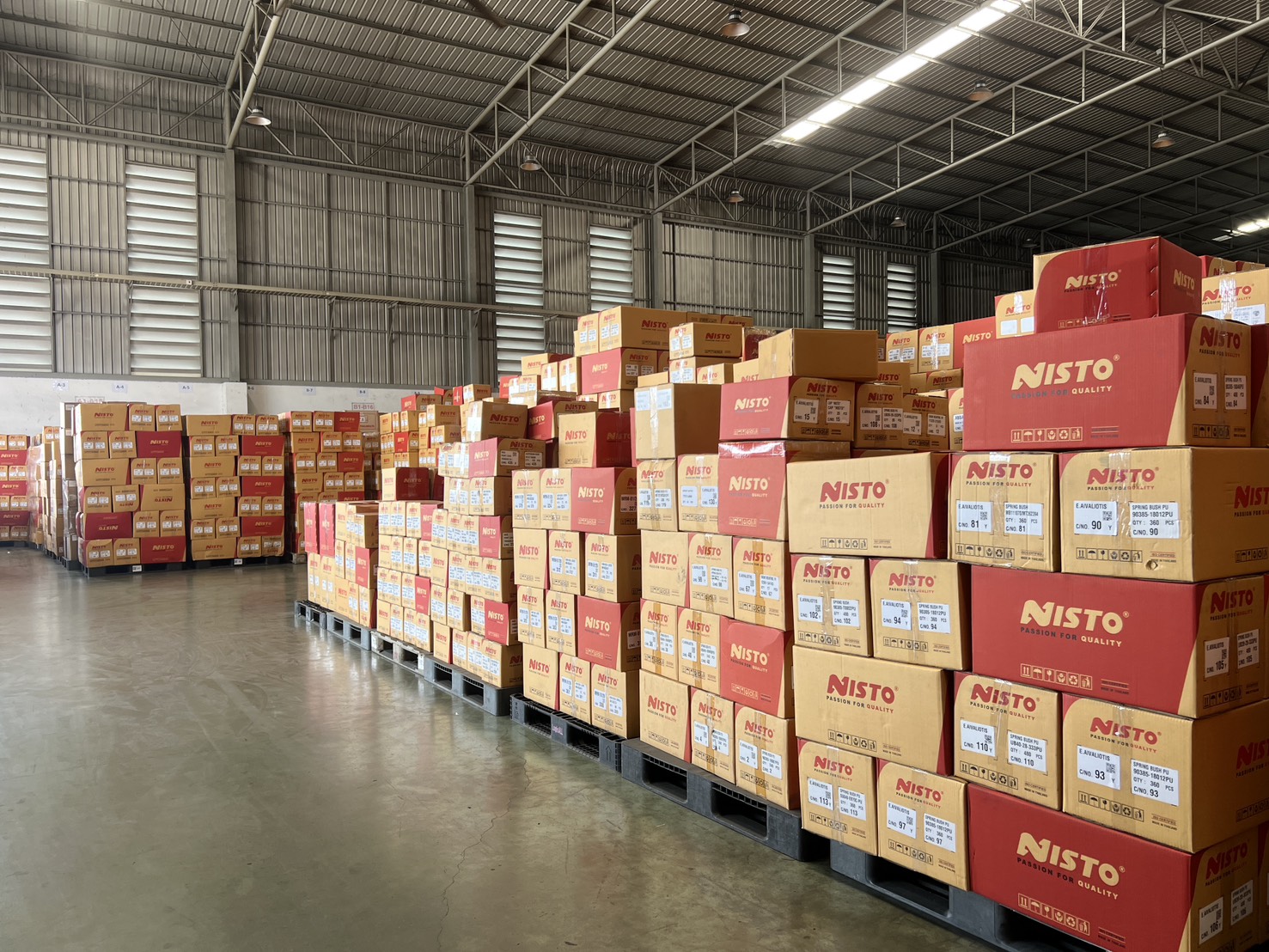
Solving these systemic challenges requires direct-factory production oversight. NISTO RUBBER solves aftermarket failure points by controlling the whole production lifecycle in our Thailand manufacturing plant—from compounding virgin natural rubber with high-grade carbon black to multi-stage chemical surface phosphating and hydraulic vulcanization. By eliminating subcontracted molding, we guarantee structural dimensional integrity across hundreds of cataloged shock mountings.
Catalog Highlights
Featured Shock Absorber Mountings
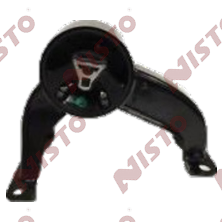
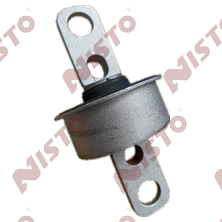
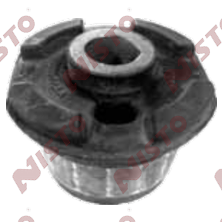
Precision-engineered strut mountings manufactured to strict OEM dimensional and dynamic durometer benchmarks, ready for high-volume international distribution.
Strategic Forecasting
Procurement Trends: How Global Shock Absorber Mount Sourcing Is Evolving
Procurement directors and B2B automotive category managers are revising traditional vendor selection metrics. As global shipping volatility intersects with shifting vehicle platforms, four defining purchasing trends dominate commercial discussions:
-
1. Full Strut Mount Kit Integration
Procurement managers are transitioning away from bare rubber mount procurement. Global wholesale buyers favor suppliers providing complete repair kits (mount, matched thrust bearing, coil spring insulator, and high-tensile hardware) to eliminate bay delays in mechanical workshops.
-
2. Southeast Asian Supply Chain De-risking
Tariff volatility, trade barriers, and shipping constraints have accelerated the realignment toward Thailand. Direct access to premium Thai natural rubber yields lower raw material transit overhead and immune supply lines against regional tariff penalties.
-
3. Strict Dual-Stiffness Specification Demands
Modern passenger vehicles require decoupled mount stiffness: soft axial stiffness to absorb high-frequency road hash, paired with rigid radial stiffness to maintain precise steering geometry under aggressive cornering. Importers demand certified laboratory durometer profiles.
-
4. Digital Catalog Transparency & Fast OE Cross-Referencing
Automated parts ordering channels demand rich digital catalogs. Wholesalers partner exclusively with manufacturers whose product databases supply high-resolution multi-angle photography, dimensional tolerances, and cross-referenced OE numbers across vehicle iterations.
Engineering Horizons
Technological Developments: Engineering Shock Mounts for the Next Decade
The automotive shock absorber mounting industry is experiencing an engineering transformation driven by powertrain electrification, lightweight vehicle architectures, and advanced polyurethane-elastomer compounding:
The Electric Vehicle (EV) Paradigm: Damping Without Acoustic Masking
Internal combustion engines inherently generate acoustic background noise that masks subtle suspension vibrations. In battery electric vehicles (BEVs), the absence of engine noise makes high-frequency road rumble instantly audible. Furthermore, high battery pack tare weight increases constant axial static load on top mounts by 25% to 35%. Modern EV shock mountings require synthetic polymer formulations resistant to severe cyclic compression set while maintaining high damping loss factors (η ≥ 0.25).
Lightweight Aluminum Castings & Composite Top Plates
To shave unsprung mass and compensate for electric powertrain weight, automotive manufacturers are replacing conventional heavy carbon steel stamped brackets with high-pressure die-cast aluminum (HPDC) and continuous glass-fiber-reinforced polyamides. Achieving robust vulcanization bonds between rubber compounds and aluminum substrates demands silane-based nano-primers and precise surface micro-etching protocols.
Microcellular Polyurethane (MCU) Jounce Bump Integration
Next-generation shock mounting top hats increasingly incorporate integrated microcellular polyurethane (MCU) progressive bump stops into the upper rubber isolator cavity. Under severe suspension compression travel, progressive MCU cells compress elastically up to 75% without lateral expansion, preventing harsh hydraulic shock bottoming while protecting unibody strut towers from micro-fractures.
Molded In Thailand Direct-Factory Quality.
Direct-Factory Quality.
Engineered For Extreme Loads.
Over 557 shock mount references and 9,485 automotive rubber parts produced on dedicated in-house molding lines. We formulate, bond, and inspect every component to deliver zero-defect reliability across global distribution networks.
Get a Quote Why NISTO Rubber
Factory-Direct Advantages For Global Wholesalers
Distributors and chassis system importers cannot afford high return rates or premature joint failure. NISTO delivers an integrated manufacturing framework designed to safeguard aftermarket brand reputations.
- 01
Locally Sourced Virgin Thai Rubber Compounds
Situated in the heart of global natural rubber production, we compound virgin elastomer with specialized anti-ozonant and anti-aging agents, guaranteeing superior resilience (-40°C to +120°C) compared to recycled fillers.
- 02
100% In-House Tooling & Vulcanized Bonding
Every mounting bracket, internal steel bushing, and stamped casing undergoes chemical surface degreasing, shot-blasting, and automated Chemlok adhesive application for bonding strengths exceeding 10 MPa sheer force.
- 03
Extensive Coverage Across 31 Vehicle Makes
Immediate coverage across Japanese (Toyota, Nissan, Honda, Mitsubishi, Isuzu, Mazda), American (Ford, Chevrolet/GMC, Chrysler/Dodge/Jeep), and European passenger and commercial vehicle platforms.
- 04
Full Dimensional Precision & Traceable SKUs
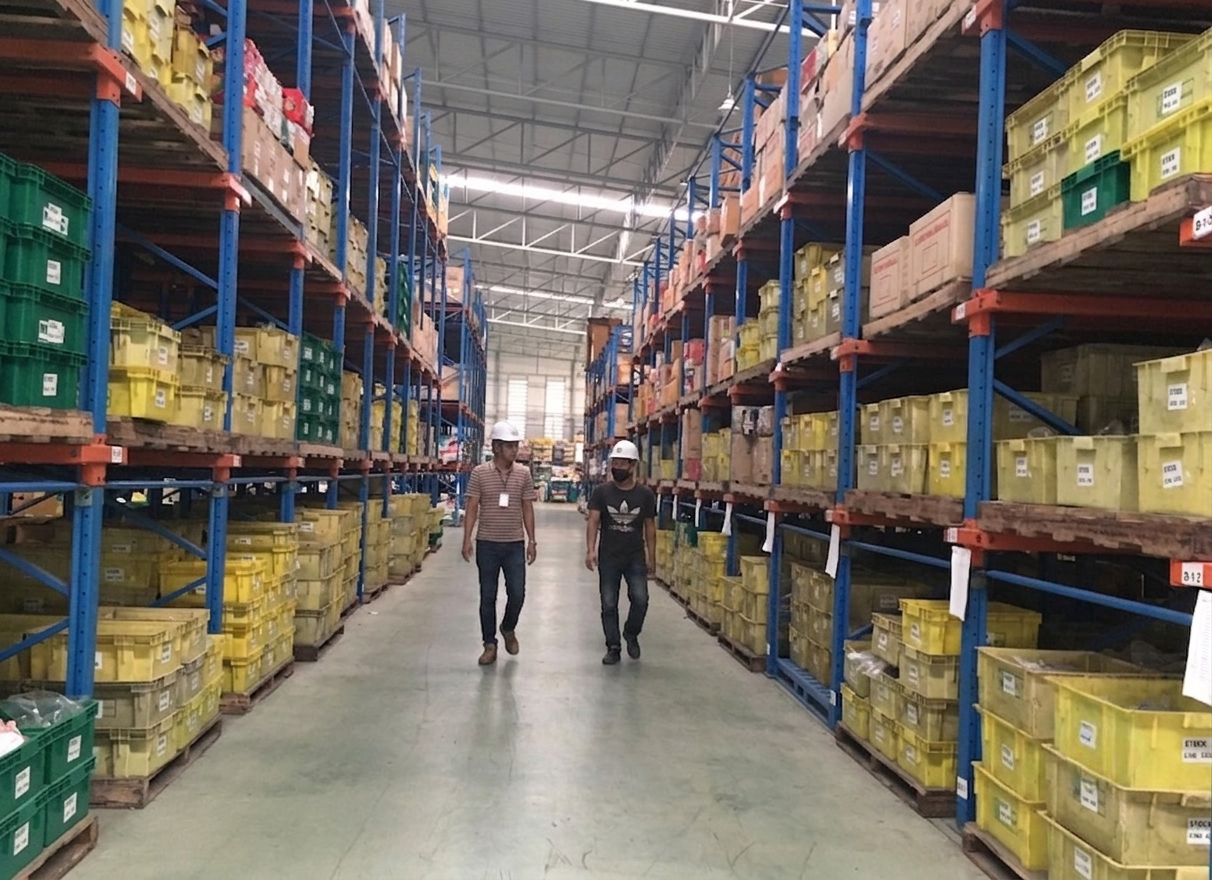
Detailed OE cross-referencing, computerized durometer verification, and comprehensive photographic libraries allow buyers to confirm fitment before container dispatch, drastically reducing RMA rates.
Manufacturing Rigor
Precision Production Lifecycle
Every shock absorber mounting undergoes a controlled 4-stage internal fabrication protocol to guarantee structural performance and dynamic longevity.
Polymer Mixing
Formulating targeted dynamic durometers (55–65 Shore A) with high tear resistance to withstand severe dynamic road hammering.
Metal Stamping & Wash
Deep-drawn carbon steel plates and forged collars undergo abrasive blasting and phosphating to remove all surface oxide layers.
Transfer Vulcanization
Applying automated dual-layer adhesive coats and vulcanizing metal components under high hydraulic pressure for cohesive molecular bonds.
Dynamic Stress Testing
Axial deflection testing, dynamic cyclic endurance verification, coordinate measurement machines (CMM), and anti-corrosion inspection.
Global Compatibility
Engineered For Leading Vehicle Platforms
Shock mountings manufactured to direct OEM replacement dimensions for light passenger vehicles, sport utility vehicles, pickups, and commercial chassis.

CHRYSLER / DODGE / JEEP
TOYOTA / LEXUS

NISSAN
MITSUBISHI


MAZDA
JAGUAR
All trademarks and OEM reference part codes are utilized strictly for vehicle fitment identification and engineering interchange purposes.
Procurement Knowledge Hub
Frequently Asked Questions: Sourcing Shock Absorber Mountings
Engineering and commercial answers addressing common technical queries from automotive importers, parts distributors, and supply chain analysts.
How do NISTO shock absorber mountings mitigate high-frequency NVH road harshness?
NISTO shock absorber mountings utilize customized natural rubber (NR) and synthetic EPDM elastomeric blends configured to specific dynamic durometer ratings (typically 55 to 65 Shore A). This targeted vulcanization formula absorbs sharp high-frequency vibrational frequencies caused by roadway irregularities before harmonic energy transmits into the structural strut towers.
What manufacturing techniques ensure rubber-to-metal bonding durability under cyclic dynamic loading?
We utilize multi-stage chemical surface phosphating and automated Chemlok adhesive application on stamped or forged carbon-steel and aluminum mounting plates. The elastomeric compound is vulcanized directly against the treated metal under tightly calibrated thermal and hydraulic pressure parameters, achieving molecular adhesive bonds that surpass 10 MPa sheer strength ratings.
Why should aftermarket distributors replace strut bearings when installing new shock mounts?
Strut mount bearings absorb continuous rotational torque and vertical suspension loads during cornering and vertical articulation. Re-using tired bearings within a newly replaced rubber strut mount introduces axial binding, premature elastomeric tearing, and steering return memory issues. Offering complete assembly replacements maximizes mechanic satisfaction and extends suspension component life cycles.
How is the global shift toward electric vehicles (EVs) transforming shock absorber mounting technical specifications?
Due to integrated lithium-ion battery mass, EVs introduce 20% to 35% higher static axle curb weights and generate instant wheel torque. Modern shock mounts engineered for EVs demand high-damping, fatigue-resistant elastomeric polymers, reinforced top plates, and low-frequency resonance mitigation to counteract the absence of combustion engine acoustic masking.
What are NISTO's minimum order quantities (MOQ) and production lead times for shock absorber mounts?
Thanks to our 100% in-house tooling and molding facilities in Thailand, our typical minimum order quantity starts at 100 to 300 pieces per OE part number for existing tooling catalogs, while customized mold fabrication and volume mass production are executed within 30 to 45 calendar days.
Build Your Suspension Program With Factory-Direct Confidence
Submit your OEM part numbers, vehicle applications, or estimated container volumes. Our engineering and sales team will provide complete specifications, laboratory test data, and competitive B2B wholesale quotation within 24 business hours.
Get a Quote