
Choosing the best Stabilizer Bar Bushing supplier in China requires more than comparing prices. The right partner should understand suspension dynamics, rubber behavior, and vehicle-specific fitment. A bushing may look simple, yet its rubber compound, steel sleeve, bonding method, and hardness affect steering feel, noise, and service life.
Rubber scientist Dr. Alan N. Gent emphasized, “A rubber product is only as good as its formulation and processing.” This principle applies directly to Stabilizer Bar Bushing production. Reliable suppliers should provide material specifications, hardness reports, aging results, and dimensional inspection records. They should also explain how their products perform under heat, salt spray, road vibration, and repeated compression. Ask to see actual test data. Samples alone are not enough.
Factory experience matters. During supplier evaluations, small details can reveal larger problems. Check mold maintenance, batch traceability, rubber mixing controls, and packaging protection. A bushing that arrives compressed, cracked, or poorly labeled deserves serious questions. Communication matters too. Engineers should discuss vehicle platform, bar diameter, installation torque, and operating temperature without vague promises.
There is no perfect supplier. Even experienced manufacturers can miss a tolerance or delay a revised sample. That reality should be acknowledged, not hidden. A dependable Chinese supplier responds with corrective action, clear timelines, and documented inspection results. This guide examines those practical factors, helping buyers identify a Stabilizer Bar Bushing partner with proven capability, transparent quality systems, and realistic long-term value.
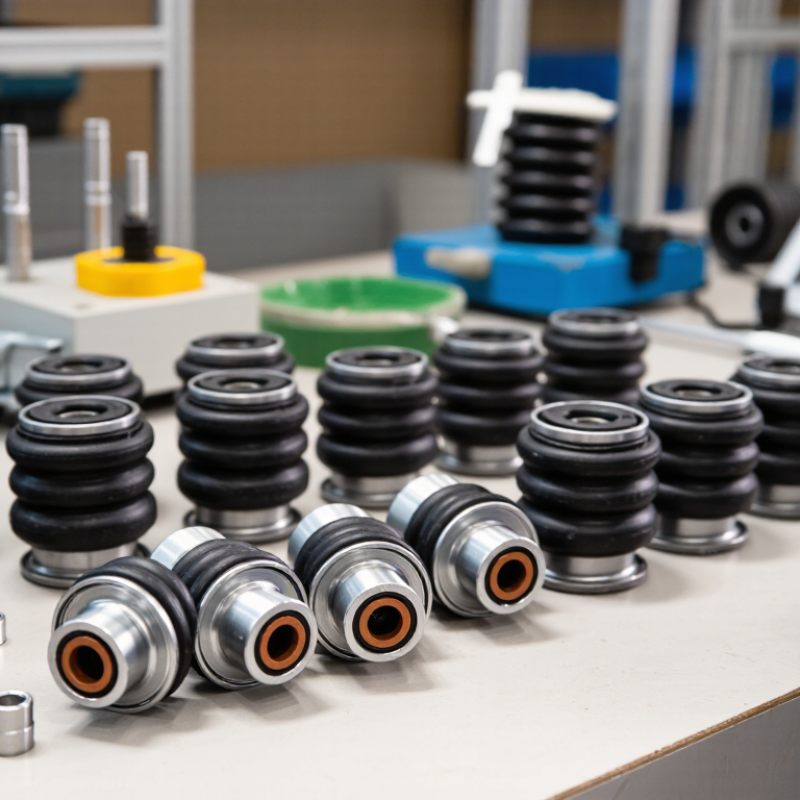
The best stabilizer bar bushing supplier in China combines material knowledge with consistent factory control. In real vehicle programs, small rubber changes can affect noise, vibration, handling, and service life. An experienced supplier should understand EPDM, natural rubber, and polyurethane behavior under heat, oil, water, and road salt. It should also explain why one compound suits a city vehicle while another fits heavy-duty use.
Reliable suppliers provide more than sample parts. They share material certificates, dimensional inspection records, and test data from production batches. Useful tests include hardness, tensile strength, compression set, aging, and low-temperature flexibility. A clear traceability system should connect each bushing to its mold, compound batch, production date, and inspector. Factory visits can reveal practical details, such as clean mixing areas, calibrated testing equipment, and protected storage racks.
Communication matters just as much. Engineers should review drawings, installation angles, press-fit requirements, and tolerance risks before mass production. I would ask for pilot samples and inspect them after repeated assembly, not only from a fresh box. No supplier gets every batch perfect. That is worth admitting. A low price may hide unstable compound mixing or weak process control. The better partner responds with evidence, corrective action, and realistic delivery updates. Even experienced buyers should recheck these points when the design or operating environment changes.
Choosing the best stabilizer bar bushing supplier in China starts with compound control, not factory size. Hardness between 60 and 80 Shore A usually balances compliance, noise control, and load support. ASTM D2240 defines the durometer method for Shore A measurement. However, one hardness reading cannot represent complete bushing performance.
A 60 Shore A bushing feels more flexible and can reduce vibration on rough roads. An 80 Shore A compound offers stronger lateral support but may transmit more noise. EPDM is widely selected for its resistance to ozone, weathering, water, and heat. SAE J200 provides a useful framework for checking rubber classification and resistance requirements. Supplier validation should include compression set, tensile strength, elongation, dynamic fatigue, and low-temperature testing.
Test results matter more than catalog promises. According to Grand View Research’s 2024 automotive rubber molded components analysis, demand is supported by rising vehicle production and stricter durability expectations. Market reports also show continued growth in automotive rubber components, but they do not prove every supplier’s process capability. That distinction matters. A qualified Chinese supplier should provide batch traceability, hardness records, mold-control data, and aging results. Ask for EPDM samples after heat and ozone exposure. Inspect the surface for cracks, swelling, and permanent deformation. The 70 Shore A option often looks like a safe compromise, yet it may not suit every suspension design. Real vehicle testing is still necessary.
The chart shows the commonly specified 60–80 Shore A hardness window for EPDM stabilizer bar bushings. Lower hardness generally supports improved compliance and noise isolation, while higher hardness can provide greater lateral control and load resistance. Final selection should also verify EPDM aging, ozone resistance, compression-set performance, and the vehicle’s temperature and load requirements.
A reliable stabilizer bar bushing supplier should provide more than a low quotation. ISO 9001 shows that the supplier follows a structured quality management system. Ask for the certificate number, issuing body, scope, and expiry date. The scope should cover the factory making your bushings, not only an office or trading company.
IATF 16949 IATF 16949 is more specific to automotive production. It supports controlled processes, risk analysis, traceability, corrective action, and continual improvement. During supplier evaluation, request process flow charts, control plans, inspection records, and material certificates. Rubber hardness, inner diameter, outer diameter, and compression performance require consistent testing. PPAP experience is also useful when the bushing enters vehicle production.
Certificates help, but they do not guarantee perfect parts. A certificate is not a magic shield. I have seen suppliers pass document reviews while inspection records remained incomplete. Ask how they control mixing batches, mold temperatures, storage conditions, and final packing. Check whether measuring equipment has current calibration records. A capable supplier should explain nonconforming product handling without avoiding difficult questions.
Factory audits can reveal practical details. Look for clean material labels, separated rejected parts, stable production records, and trained inspectors. Request samples from different production batches. Compare dimensions and hardness before approving a long-term order. Small gaps in communication can become noise, cracking, or premature wear on the vehicle.
The best supplier should prove durability with measured evidence, not attractive samples. A 100,000-cycle fatigue test should record cracks, permanent deformation, torque loss, and noise. Test fixtures must reproduce real bar movement, load direction, and installation compression. A supplier using an independent ISO/IEC 17025 laboratory offers stronger evidence. However, 100,000 cycles is a purchasing requirement, not a universal legal standard.
Temperature testing needs equal attention. ISO 188:2011 commonly evaluates accelerated rubber aging at controlled temperatures, while ASTM D395 measures compression set. For this application, testing from −40°C to 150°C should include hardness change, rebound, surface cracking, and retained flexibility. The upper temperature is severe. Some compounds survive briefly but fail after repeated exposure. Ask for time-at-temperature records, not only a pass-or-fail sheet.
Tips: Request raw test curves, batch numbers, fixture photographs, and failed-part analysis. Compare results before and after aging. A supplier may pass fatigue testing yet create harsh steering feedback. My own inspection can also miss vehicle-level noise. Therefore, confirm bench results with road testing across cold starts, rough roads, and hot-soak conditions. ASTM D2000 material classifications can support comparison, but they cannot replace a bushing-specific validation plan.
What Is the Best Stabilizer Bar Bushing Supplier in China?
How to Compare China Suppliers by Cost, Capacity, Lead Time, and Warranty
The best supplier is not always the one offering the lowest unit price. Compare material grade, tooling fees, packaging, inspection, and shipping costs together. A supplier may quote 0.18 dollars per bushing, then add expensive mold charges. Request a complete cost sheet before approving samples. My early comparisons were too simple.
Capacity should match your actual demand. Ask for monthly output, press availability, production shifts, and current order volume. A factory producing 20,000 bushings monthly may struggle with a sudden 100,000-piece order. Request production records and inspect storage conditions. Rubber stored beside heat sources can develop problems before assembly. Numbers need evidence.
Lead time should include tooling, sampling, production, and final inspection. Ask for a written schedule with specific dates. Build a small buffer for port delays and quality rework. Warranty terms also require careful reading. Confirm coverage period, defect definitions, claim documents, replacement timing, and testing responsibilities. A 24-month warranty sounds strong, but vague exclusions reduce its value. Trial orders reveal more than polished presentations. Track hardness, dimensions, odor, surface cracks, and installation fit across several batches. Some suppliers communicate well at first, yet respond slowly after payment. That risk deserves a lower evaluation score.
| Supplier Profile | Estimated Unit Cost (USD/set) |
Monthly Capacity (sets) |
Sample Lead Time (days) |
Mass-Production Lead Time (days) |
Warranty Coverage | Quality-System Evidence | Recommended Order Volume | Overall Fit Score |
|---|---|---|---|---|---|---|---|---|
| Profile A Cost-focused producer |
$0.85–$1.25 | 80,000–120,000 | 10–14 | 25–35 | 12 months or 50,000 km | ISO 9001; basic inspection records | 5,000–20,000 sets | 76/100 |
| Profile B Balanced OEM supplier |
$1.10–$1.65 | 120,000–180,000 | 7–10 | 20–30 | 18 months or 80,000 km | ISO 9001; incoming, in-process, and final inspection | 10,000–50,000 sets | 89/100 |
| Profile C High-volume program supplier |
$0.95–$1.40 | 250,000–400,000 | 12–16 | 30–45 | 12 months or 50,000 km | ISO 9001; automated molding and batch traceability | 50,000+ sets | 86/100 |
| Profile D Engineering-led supplier |
$1.45–$2.20 | 40,000–70,000 | 5–8 | 18–25 | 24 months or 100,000 km | ISO 9001; material testing, dimensional reports, validation support | 1,000–10,000 sets | 91/100 |
| Profile E Export-oriented specialist |
$1.20–$1.85 | 90,000–150,000 | 8–12 | 22–32 | 18 months or 80,000 km | ISO 9001; export documentation and lot traceability | 5,000–30,000 sets | 87/100 |
| Comparison basis: Overall fit score uses a balanced weighting of estimated cost (30%), production capacity (20%), lead time (25%), and warranty/quality support (25%). Actual pricing depends on rubber compound, hardness, tooling, packaging, annual volume, testing requirements, Incoterms, and destination. | ||||||||
Ask for ISO 9001 and automotive quality certification details. Check the certificate number, issuing body, scope, and expiry date. The scope should cover the actual manufacturing factory. Certificates are clues, not guarantees.
It supports process control, risk analysis, traceability, corrective action, and continuous improvement. Ask for process flow charts, control plans, inspection records, and material certificates.
Check rubber hardness, inner diameter, outer diameter, and compression performance. Use calibrated measuring equipment. Small dimensional errors can affect installation and vehicle noise.
Look for clear material labels and separated rejected parts. Review production records and inspector training. Check mold temperatures, mixing batches, storage conditions, and final packing.
Compare material grade, tooling, packaging, inspection, and shipping together. A low unit price may hide expensive mold charges. Request a complete cost sheet. My early comparisons were too simple.
Ask about monthly output, press availability, production shifts, and current orders. A factory making 20,000 pieces monthly may struggle with 100,000 pieces. Numbers need evidence.
Include tooling, sampling, production, final inspection, and shipping preparation. Request specific dates in writing. Add a buffer for port delays and possible rework.
Confirm the coverage period, defect definitions, claim documents, replacement timing, and testing responsibilities. A 24-month warranty may contain vague exclusions. Read every condition carefully.
Test several production batches before placing a long-term order. Compare hardness, dimensions, odor, surface cracks, and installation fit. Trial orders reveal more than polished presentations.
Track response speed after payment, not only before the order. Slow replies can delay corrective action. A supplier may communicate well initially, then respond poorly later. That risk matters.
The best Stabilizer Bar Bushing supplier in China should combine dependable material performance, consistent manufacturing, and responsive customer service. Important specifications include 60–80 Shore A hardness for a balance of flexibility and support, along with EPDM rubber that can resist heat, weathering, oils, and long-term aging. A reliable supplier should also maintain ISO 9001 and IATF 16949 certification systems, demonstrating controlled production processes, traceability, and continuous quality improvement.
Supplier evaluation should include practical testing and commercial capabilities. Products should pass 100,000-cycle fatigue testing and remain functional across temperatures from −40°C to 150°C. Buyers should compare suppliers according to unit cost, production capacity, tooling capability, lead time, and warranty terms rather than price alone. Clear technical communication, stable batch quality, documented inspection procedures, and the ability to support customized designs are also essential. The strongest supplier is one that offers durable bushings, predictable delivery, transparent quality evidence, and dependable support throughout the product’s service life.