
0%

Choosing the Right Automotive Rubber Bushings requires more than matching a part number. These small components control movement between suspension parts, reduce vibration, and influence steering feel. A worn bushing may show cracks, uneven tire wear, or a dull knock over a rough road. The correct choice depends on load, temperature, alignment, noise targets, and installation position.

Industry data supports careful selection. The International Organization of Motor Vehicle Manufacturers reported more than 93 million vehicles produced worldwide in 2023. That scale creates sustained demand for reliable elastomer components. Grand View Research identifies vehicle production, electrification, and durability requirements as important drivers in the automotive elastomers market. However, market growth does not guarantee quality. Some reports combine many elastomer products, so their figures cannot represent bushing demand precisely.

Thomas D. Gillespie, a respected vehicle-dynamics researcher, states, “The suspension system has the primary function of isolating the vehicle body from road irregularities.” This principle explains why hardness alone is not enough. A bushing can feel firm in a workshop yet transmit harsh impacts on broken pavement. Material grade, void design, compression direction, and bonded-metal quality all matter. EPDM may suit many road environments, while polyurethane can provide sharper response but increased noise. That trade-off deserves honest review.

This guide compares these factors with practical inspection details and manufacturer specifications. It also questions common assumptions. The most expensive bushing is not automatically the best. A perfect choice on paper may still fail after poor alignment, incorrect torque, or contaminated installation. Real-world fit matters.
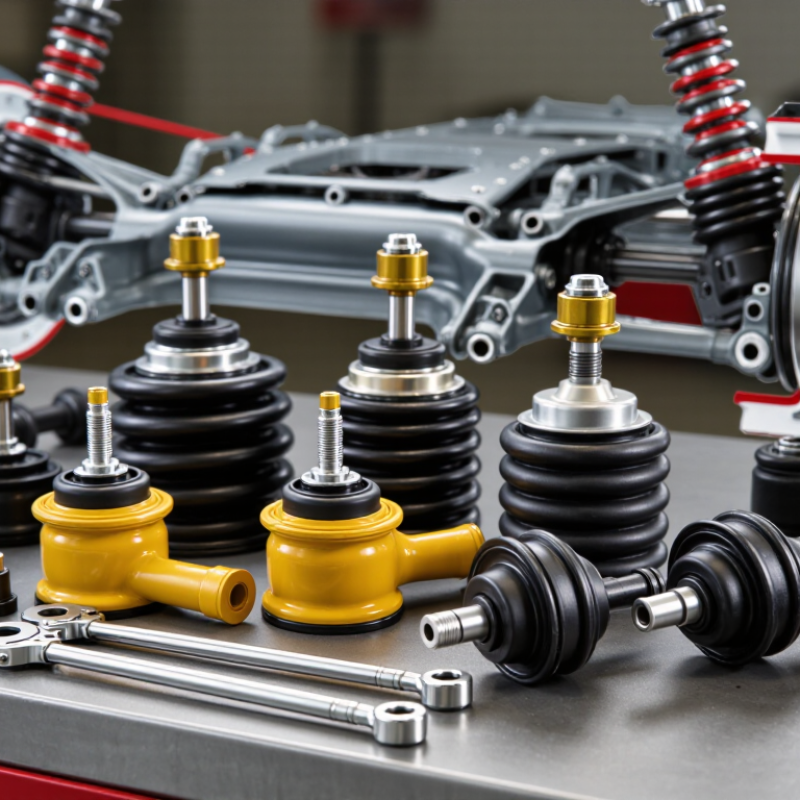
How to Choose the Right Automotive Rubber Bushings

What Automotive Rubber Bushings Are and Why They Matter

How to Choose the Right Automotive Rubber Bushings

Automotive rubber bushings are flexible cushions placed between suspension or steering components. They reduce vibration, control movement, and limit harsh metal-to-metal contact. You may notice them near control arms, stabilizer bars, shock absorbers, or engine mounts. Their quiet work affects steering feel, tire wear, and cabin comfort.

A suitable bushing must match the vehicle’s original dimensions, load rating, and mounting position. Rubber hardness also matters. A harder bushing can sharpen handling, but it may transmit more road vibration. Softer rubber improves comfort, yet excessive movement can weaken alignment control.

In practical inspections, cracked rubber, shiny contact marks, or uneven tire wear suggest possible failure. Still, not every suspension noise comes from a bushing. That assumption can waste time and money. Check the surrounding bolts, joints, and mounting brackets before replacing parts. Temperature, road salt, oil exposure, and heavy carrying can also shorten rubber life.

Tips: Compare the old part carefully. Measure its diameter and sleeve length. Follow the vehicle service manual, and use a qualified technician when pressed or bonded parts require special tools. Avoid choosing only by price. A cheaper bushing may fit poorly and fail early. A premium-looking option is not automatically better either. Ask for material details, correct application data, and warranty terms. Small differences matter.

How to Identify the Correct Bushing Location and Function

How to Choose the Right Automotive Rubber Bushings

How to Identify the Correct Bushing Location and Function

Choosing a rubber bushing starts with its exact location. A control arm bushing absorbs movement between the suspension arm and chassis. A stabilizer bar bushing holds the bar while allowing controlled rotation. Subframe bushings reduce vibration between the frame and body. Engine mounts manage powertrain movement, not suspension loads.

Look at the removed part carefully. Note its outer diameter, inner sleeve length, width, and mounting direction. Photograph its position before removal. Some bushings have offset sleeves or directional voids. Those details affect wheel alignment and ride control. Match the original hardness when possible. A softer rubber piece may feel comfortable but allow excessive movement. A harder piece can transmit more road vibration.

Do not rely on appearance alone. I have seen similar-looking bushings fit physically but work incorrectly. Measure the housing and bolt, then compare service specifications. Check for torn rubber, crushed edges, uneven gaps, and metal contact. A failed bushing may also cause drifting, clunking, or irregular tire wear. Pressing tools must support the correct outer shell. Pressing against the sleeve can damage the new part. I still recheck orientation before tightening every fastener. It is an easy step to overlook. Final tightening should follow the vehicle’s specified position and torque.

How to Choose the Right Automotive Rubber Bushings

How to Identify the Correct Bushing Location and Function

Bushing hardness varies according to its location and purpose. Softer compounds generally improve vibration isolation, while harder compounds provide greater control of suspension movement and alignment. The ranges below are typical engineering values and may vary by vehicle design.

Use the vehicle service manual, original part dimensions, mounting shape, and load direction to confirm fitment. Shore A hardness alone should not be used to select a replacement bushing.

How to Match Bushing Material to Driving Conditions

How to Choose the Right Automotive Rubber Bushings

How to Match Bushing Material to Driving Conditions

Choosing a bushing starts with the road, not the catalog. A commuter car facing potholes, rain, and daily traffic usually benefits from natural rubber. Its flexibility reduces vibration and road noise. It also allows controlled suspension movement. However, natural rubber can age faster under ozone, extreme heat, or repeated oil exposure. Check the underbody environment before selecting it.

For hot climates or wet coastal roads, EPDM can provide stronger resistance to weathering and ozone. It is not suitable for every location. Petroleum-based oil can damage it. Polyurethane handles abrasion well and offers firmer handling, which suits heavy loads or occasional track use. The trade-off is clear: more stiffness can transmit sharper impacts into the cabin. It may also expose worn suspension parts sooner.

I once assumed the hardest bushing would improve every car. It did not. The steering felt direct, but small road cracks became tiring after an hour. That mistake reinforced an important workshop lesson: material hardness must match spring rates, tire grip, vehicle weight, and driving habits. Measure the original bushing, inspect nearby components, and check for oil contamination before installation. A precise fit matters. So does correct torque at normal ride height. Lower temperatures can also stiffen some compounds, changing their feel during the first few miles.

How to Choose the Right Automotive Rubber Bushings - How to Match Bushing Material to Driving Conditions

Bushing Material Typical Temperature Range* Key Strengths Best-Matched Driving Conditions Limitations Typical Applications
Natural Rubber (NR) Approximately −40°C to +80°C Excellent elasticity, low hysteresis, strong vibration isolation, and good fatigue resistance under moderate conditions. Normal road use, passenger vehicles, comfort-focused suspension systems, and moderate climates. Limited resistance to ozone, sunlight, petroleum oils, and high temperatures unless specially compounded and protected. Control-arm bushings, stabilizer-bar mounts, engine mounts, and general vibration-isolation components.
Styrene-Butadiene Rubber (SBR) Approximately −50°C to +100°C Good abrasion resistance, useful dynamic performance, and consistent behavior in general-purpose automotive service. Everyday driving, mixed urban and highway use, and applications where balanced cost and durability are required. Poor resistance to petroleum oils, fuels, ozone, and weathering compared with CR, EPDM, or NBR. General suspension mounts, chassis isolators, and components protected from direct oil and fuel exposure.
Ethylene Propylene Diene Rubber (EPDM) Approximately −50°C to +150°C Excellent resistance to ozone, sunlight, water, steam, and weathering; maintains flexibility over a broad temperature range. Hot or cold climates, outdoor exposure, wet roads, road salt, and long-term chassis service. Poor compatibility with petroleum-based oils, fuels, and many hydrocarbon fluids. Suspension bushings, stabilizer-bar bushings, dust boots, seals, and weather-exposed chassis components.
Chloroprene Rubber (CR) Approximately −40°C to +120°C Good balance of weathering, ozone, flame, moderate oil, and abrasion resistance. General automotive service with changing weather, moderate oil contact, and elevated underbody temperatures. Not the best choice for continuous fuel or high-oil exposure; dynamic performance may be below natural rubber in some designs. Engine mounts, suspension bushings, belts, hoses, and weather-exposed rubber parts.
Nitrile Rubber (NBR) Approximately −30°C to +120°C Very good resistance to petroleum oils, greases, and fuels; good abrasion and compression-set performance. Areas exposed to engine oil, transmission fluid, hydraulic fluid, fuel vapor, or grease. Lower resistance to ozone, sunlight, and weathering than EPDM or CR; low-temperature flexibility depends on formulation. Oil-exposed mounts, seals, hydraulic components, and bushings located near lubricated mechanical parts.
Silicone Rubber (VMQ) Approximately −60°C to +180°C Excellent high- and low-temperature flexibility, strong ozone and weathering resistance, and stable electrical insulation. Very hot or very cold environments where temperature stability is more important than high load-bearing strength. Lower tensile, tear, and abrasion resistance; generally unsuitable for heavy dynamic loads or petroleum-fluid exposure. Specialized high-temperature isolators, seals, electrical components, and lightly loaded mounting points.
Polyurethane (PU) Approximately −40°C to +100°C; some grades reach about +120°C High load capacity, strong abrasion and tear resistance, reduced deflection, and precise suspension control. Performance driving, heavy-duty use, high-load suspension systems, rough roads, and applications requiring sharper handling. Usually transmits more road noise and vibration; can squeak if lubrication or installation is incorrect, and may be sensitive to hydrolysis depending on chemistry. Control-arm bushings, sway-bar mounts, differential mounts, and high-load chassis components.
Selection Notes: Temperature ranges are typical service guidelines, not universal limits. Actual performance depends on compound formulation, hardness, load, geometry, fluid exposure, compression, installation, and peak temperature. Always verify the vehicle manufacturer's specification, required hardness, dimensions, and fluid compatibility before replacement.
Quick Matching Guide: Choose EPDM for weather, water, ozone, and road-salt exposure; NBR for oil and fuel contact; CR for balanced weather and moderate oil resistance; polyurethane for high stiffness and load control; silicone for extreme temperatures with relatively light loads; and NR or SBR for general comfort-focused applications in protected environments.

How to Choose the Right Size, Shape, and Hardness

How to Choose the Right Automotive Rubber Bushings

Measure the original bushing before choosing a replacement. Record the outer diameter, inner diameter, length, and sleeve width. A small mismatch can shift suspension geometry. Check the bolt position and available clearance, too. Shape matters because solid bushings resist movement differently from voided designs. Voids must face the correct direction. Otherwise, braking and cornering loads may feel uneven.

Hardness needs careful judgment. ASTM D2240 measures rubber hardness on the Shore A scale, from very soft to very hard grades. However, Shore readings do not directly equal bushing stiffness. Shape, rubber thickness, and preload also change performance. SAE J200 evaluates compounds through hardness, tensile strength, elongation, temperature resistance, and fluid exposure. Use those properties when heat, oil, or road salt is present. Harder rubber may sharpen steering response, but it can transmit more vibration.

Do not guess from color or appearance. ASTM D395 compression-set testing shows how rubber retains deformation after heat and pressure. That matters around engine mounts and heavily loaded suspension points. Check the service temperature and chemical exposure listed in the technical data. I would recheck the measured dimensions after removing the old part; worn rubber can hide its original size. This step is easy to skip. It is also where many fitment decisions become unreliable.

How to Check Quality, Compatibility, and Installation Requirements

Choosing automotive rubber bushings starts with quality, not price. Inspect the rubber for even molding, clean edges, and tiny surface cracks. A reliable bushing should feel firm, resilient, and free from oily residue. Compare its dimensions with the original part, including inner diameter, outer diameter, width, and sleeve position. Measure, do not guess. A nearly identical bushing can fail when its sleeve is only two millimeters too short. Small differences can change suspension movement and create noise.

Compatibility depends on more than vehicle year and model. Confirm the exact suspension location, axle position, material specification, and load requirement. Check the service manual or a trusted technical catalog, then match the part number and measurements. Consider temperature, road salt, oil exposure, and driving conditions. A standard rubber compound may suit daily roads but degrade near heat or leaking fluid. Inspect the mounting bracket too. A worn bracket can make a good bushing appear defective.

Installation quality matters just as much as the component. Clean the bore, remove rust, and inspect bolts, sleeves, and washers before fitting. Use lubricant only when the instructions permit it. Some rubber surfaces must remain dry. Press the bushing straight with suitable tools; never hammer the rubber directly. Tighten fasteners to the required torque and, when specified, at normal ride height. After installation, check alignment, steering feel, and unusual squeaks during a short road test. Recheck the fasteners later. This step is easy to overlook. Even experienced technicians can miss it when the repair seems successful.

FAQS

What does an automotive rubber bushing do?

It cushions suspension and steering connections. It reduces vibration, limits movement, and prevents harsh metal contact. You may find it near control arms, stabilizer bars, shock absorbers, or engine mounts.

How can I recognize a worn bushing?

Look for cracked rubber, shiny contact marks, or uneven tire wear. Clunks and steering changes may also appear. Still, check twice. Nearby bolts, joints, and brackets can create similar symptoms.

How do I choose the correct bushing size?

Compare the old part carefully. Measure the inner diameter, outer diameter, width, and sleeve length. Confirm the mounting position and load requirement. A two-millimeter difference can change suspension movement.

Which rubber material suits daily driving?

Natural rubber often suits ordinary commuting. It provides flexibility and helps reduce cabin noise. However, ozone, heat, and repeated oil exposure can shorten its life. Inspect the underbody environment before choosing it.

When is EPDM or polyurethane a better choice?

EPDM can resist weathering and ozone in hot or wet conditions. Petroleum-based oil may damage it. Polyurethane handles abrasion and supports firmer handling. The trade-off is sharper road impact and more cabin vibration.

Does a harder bushing always improve handling?

No. A harder bushing can make steering feel more direct. It may also make small road cracks tiring after an hour. Hardness must match spring rates, tire grip, vehicle weight, and driving habits. I once assumed the hardest option was best. It was not.

What should I check before installation?

Inspect the bracket, bolts, sleeves, washers, and surrounding joints. Remove rust and clean the mounting bore. Use lubricant only when the instructions permit it. Some rubber surfaces must remain dry. Measure, do not guess.

What installation mistakes should I avoid?

Press the bushing straight with suitable tools. Never hammer the rubber directly. Tighten fasteners to the required torque. Some fasteners require tightening at normal ride height. Afterward, check alignment and steering feel during a short road test. Recheck the fasteners later.

Conclusion

Choosing the right Automotive Rubber Bushings is essential for maintaining vehicle stability, comfort, and safe handling. These components absorb vibration and reduce friction between connected suspension or steering parts, helping prevent excessive movement and noise. The selection process begins by identifying the bushing’s exact location and function, since bushings used in control arms, stabilizers, subframes, or other areas may have different performance requirements.

Next, consider the driving environment and choose a material suited to the expected temperature, moisture, road conditions, and load. Size, shape, and hardness must match the original design to ensure proper alignment, flexibility, and durability. Before purchasing, check dimensions, mounting details, load capacity, and compatibility with the vehicle. Quality should also be assessed through material consistency, accurate molding, and resistance to wear or deformation. Finally, review installation requirements carefully, including correct positioning, tightening procedures, and whether specialized tools are needed. Proper selection and installation can improve ride quality, extend service life, and support reliable vehicle performance.

Ethan

Ethan

Ethan is a dedicated marketing professional with a strong understanding of the company’s products, industry trends, and customer needs. Through thoughtful research and clear communication, he helps audiences discover practical solutions and better understand how the company creates value. His......