Engine Mounting is no longer a simple rubber component hidden beneath the engine. For global buyers, it is a carefully selected control point for vibration, noise, durability, safety, and installation cost. The right mount can make a vehicle feel calm at idle and stable during acceleration. The wrong one may create cabin shaking, harsh gear changes, premature cracking, or costly warranty claims.
This guide examines the main Engine Mounting types expected to shape purchasing decisions in 2026. It compares conventional rubber mounts, hydraulic mounts, polyurethane designs, active mounts, and emerging solutions for hybrid and electric powertrains. Each type responds differently to engine weight, torque pulses, temperature changes, road impact, and production volume. Material quality matters. So does supplier testing.
As automotive NVH specialist Dr. John C. Dixon explains, “A mount succeeds when it controls vibration without becoming the source of new vibration.” That principle sounds simple. It is not always easy to achieve. Buyers must review stiffness data, damping performance, fatigue results, corrosion resistance, and vehicle-specific fitment. Laboratory results can also mislead when real roads introduce heat, dust, water, and uneven loading.
This overview is designed for importers, manufacturers, distributors, and engineering teams comparing worldwide suppliers. It highlights practical differences rather than promoting one universal answer. A low-cost mount may work in one market but fail under heavier loads or harsher climates. Careful validation remains necessary. Even experienced teams sometimes overlook installation direction, fastener torque, or aging behavior. That gap deserves attention.
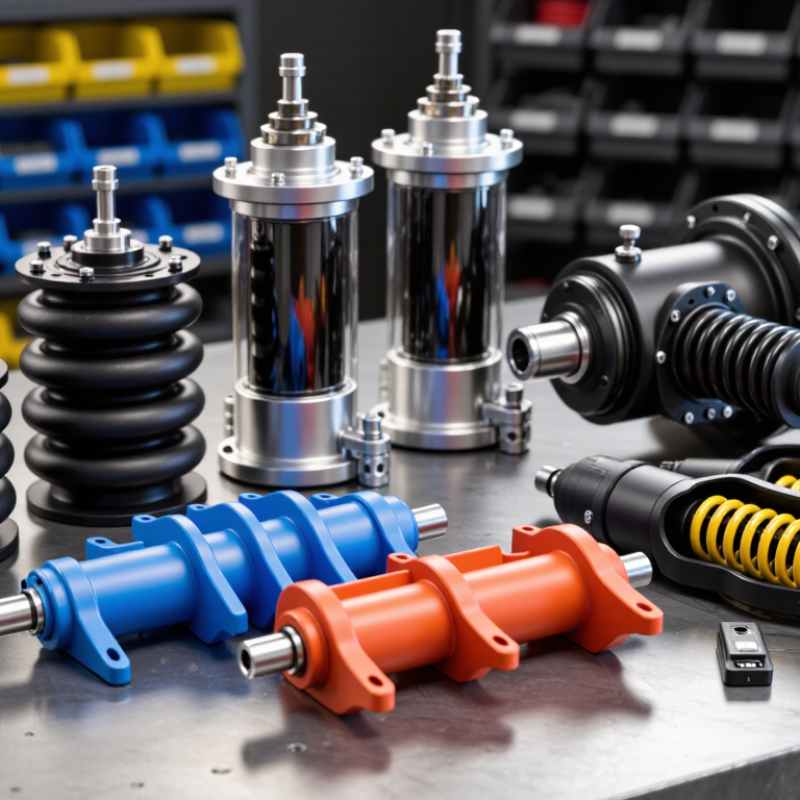
Engine Mounting: Definition, Purpose, and Core Functions
An engine mount is the mechanical interface between the powertrain and vehicle body. It carries engine weight, controls movement, and limits vibration transfer. Most systems combine steel brackets with rubber, hydraulic, or electronic damping elements.
Rubber mounts are simple, durable, and cost effective. Hydraulic mounts add fluid chambers to absorb low-frequency shaking during idling. Active mounts use sensors and actuators to counter selected vibrations, but they require more control hardware. The distinction is not always clean. Some modern designs combine passive rubber with hydraulic or electronic control.
Mount selection affects cabin comfort, exhaust alignment, driveline durability, and noise performance. A weak mount may allow visible engine movement during acceleration. An overly stiff mount can create harshness through the floor and steering column. Buyers should compare static stiffness, dynamic stiffness, temperature resistance, fatigue life, and installation tolerance.
Scale matters. OICA reported 93.5 million motor vehicles produced worldwide in 2023, increasing demand for consistent mounting performance across varied platforms. The U.S. EPA Automotive Trends Report also records long-term growth in vehicle power and weight, which can raise mounting loads. These figures do not define one ideal mount. They show why application data remains essential. A mount tested only at room temperature may disappoint in desert heat or winter cold. That testing gap deserves more attention.
Main Engine Mounting Types and Their Structural Differences
Engine mounting types differ mainly in structure, damping method, and load control. OICA reported 93.55 million motor vehicles produced globally in 2023. That volume increases demand for repeatable mounting designs across varied powertrains.
Rubber-metal mounts use bonded rubber around steel plates or brackets. They are simple, durable, and cost-efficient. However, rubber stiffness changes with temperature, aging, and engine load. Hydraulic mounts add fluid chambers and calibrated orifices. They control low-frequency vibration more effectively, especially at idle. Their structure is more complex, and leakage remains a practical concern. Active mounts use sensors, actuators, and electronic control. They can counter changing vibration frequencies, but they require wiring, software validation, and careful fail-safe design. Polyurethane mounts provide higher stiffness than standard rubber. They suit demanding load conditions, yet they may transmit more cabin noise.
A 2024 automotive components outlook from MarketsandMarkets highlights rising demand for vibration-control systems as vehicle architectures diversify. The report does not make every mount suitable for every market. That point is easy to miss. A mount may pass laboratory testing but disappoint on rough roads. Field experience still matters.
Tips: Match the mount to engine torque, vehicle mass, and road quality. Check static stiffness, dynamic stiffness, heat resistance, and fatigue data. Ask suppliers for test temperature ranges and failure photographs. Hydraulic designs need inspection access. Active systems need diagnostic plans. The boundary is not always clean. For global sourcing, confirm drawings, tolerances, and regional service capability before approving samples.
How to Select Engine Mountings for Different Vehicle Applications
2026 Top Engine Mounting Types for Global Buyers
How to Select Engine Mountings for Different Vehicle Applications
Selecting an engine mounting starts with vehicle duty, not catalog shape. Passenger cars need low vibration at idle and controlled movement during acceleration. Light commercial vehicles need higher load capacity, heat resistance, and longer fatigue life. Heavy-duty trucks face shock loads, rough roads, and sustained torque. Common choices include rubber-metal, hydraulic, and electronically controlled mountings. Each design manages stiffness and damping differently. In workshop practice, fitment errors often mimic a failed mount. Check torque, alignment, and contact clearance before replacement.
According to OICA’s 2023 production statistics, global motor vehicle output reached about 93.5 million units. This scale increases demand for application-specific components. However, volume does not justify one universal design. Hydraulic mountings can reduce idle vibration in combustion vehicles. Hybrid vehicles need mounts that tolerate frequent engine starts and rapid torque changes. The IEA Global EV Outlook 2024 recorded nearly 14 million electric car sales in 2023, representing about 18% of global car sales. Battery-electric vehicles may not use engine mounts, but they still require powertrain isolation.
Ask suppliers for stiffness curves, dynamic damping data, rubber temperature limits, and fatigue test results. Measure twice. Review engine mass, center of gravity, excitation frequency, and nearby heat sources. A perfect mounting choice rarely exists. Our assumptions can be wrong when road conditions differ from laboratory testing. For export applications, validate prototypes under local payloads, climates, and driving cycles. Small clearance errors can create noticeable cabin noise. Fitment matters.
2026 Top Engine Mounting Types for Global Buyers
How to Select Engine Mountings for Different Vehicle Applications
Selection guide: Conventional rubber-metal mounts are widely used for durability and cost efficiency. Hydraulic mounts provide improved vibration damping for passenger cars and light commercial vehicles. Active or electronically controlled mounts are mainly selected for premium passenger vehicles where noise, vibration and harshness control is a priority. Scores indicate relative application suitability on a 1–5 engineering scale, not market share.
Material, Load, Vibration, and Durability Factors for Global Buyers
2026 Top Engine Mounting Types for Global Buyers
Material choice starts with the duty cycle, not the catalog image.
Rubber mounts suit moderate loads and simple layouts. Hydraulic mounts manage engine shake more effectively at low frequencies. Active mounts offer finer control, but they require sensors, wiring, and careful calibration. Polyurethane can improve stiffness, yet it may transmit more cabin noise. That trade-off is easy to miss.
Load data must include static weight, torque reaction, road shock, and temperature.
A mount carrying 4 kN in the workshop may experience much higher transient forces on rough roads. ISO 10816 and ISO 20816 provide useful vibration measurement frameworks, although they do not replace vehicle-specific testing. Grand View Research’s 2024 automotive engine mount analysis identifies vibration reduction and longer service life as major market drivers. Buyers should request frequency-response curves, not only maximum load figures.
Durability also depends on climate.
Salt, oil mist, heat cycles, and ozone attack elastomers differently. ACEA’s Vehicles on European Roads 2024 report places the average passenger-car age in Europe at about 12.5 years. Replacement parts therefore need realistic aging assumptions. Ask for thermal cycling, fatigue, and corrosion test records. Test evidence matters more than polished claims. A low-cost mount can still perform well, but only when its material matches the load and environment. I would also challenge laboratory results that use perfect alignment; real installations rarely do.
International Standards, Sourcing Checks, and Installation Requirements
Global buyers should match the mount type to load, vibration, and service conditions. Rubber-metal mounts suit many passenger vehicles and remain cost-effective. Hydraulic mounts improve damping at low engine speeds. Active mounts add sensors and actuators, but they require electrical and control-system validation. Polyurethane options can resist harsh movement, although they may transmit more cabin noise.
There is no single international standard covering every engine mount. Buyers should request ISO 9001 or IATF 16949 quality evidence, then define tests under ISO 16750 for temperature, vibration, humidity, and mechanical loads. OICA reported 85.4 million motor vehicles produced worldwide in 2024. That scale makes traceability essential. Ask for batch numbers, material certificates, hardness results, dynamic stiffness curves, and fatigue-test cycles. Supplier reports are useful, but not always comparable.
Installation can decide whether a good mount fails early. Confirm orientation, bracket geometry, bolt grade, tightening torque, and required preload. SAE J429 may help classify fastener mechanical properties, but the vehicle maker’s specification remains controlling. Support the powertrain before removing old mounts. Keep exhaust pipes, hoses, and wiring clear of movement. A small alignment error can create lasting stress. I have seen drawings pass review while actual brackets needed shims. That gap deserves attention. Test noise, vibration, and harshness after installation, not only before shipment.
FAQS
An engine mount connects the powertrain to the vehicle body. It supports weight and limits unwanted movement. It also reduces vibration transfer.
Common designs combine steel with rubber, hydraulic fluid chambers, or electronic damping parts. Polyurethane can provide higher stiffness. It may transmit more cabin noise.
Rubber mounts are simple, durable, and cost-effective. Hydraulic mounts use fluid chambers and small orifices. They usually control low-frequency idle vibration better.
Active mounts use sensors, actuators, and control software. They respond to changing vibration frequencies. They need wiring, diagnostics, and fail-safe planning.
Match it to engine torque, vehicle mass, road quality, and operating temperature. Check static stiffness, dynamic stiffness, fatigue life, and heat resistance.
A weak mount may allow visible movement during acceleration. An overly stiff mount can send harshness through the floor and steering column.
Rubber stiffness changes with temperature and aging. A mount tested indoors may behave differently in desert heat or winter cold. Test ranges matter.
Check torque, alignment, contact clearance, and nearby heat sources. Fitment errors can resemble mount failure. Small clearance errors may create noticeable cabin noise.
Battery-electric vehicles may not use traditional engine mounts. They still need powertrain isolation for vibration and movement control. The design target changes.
Request drawings, tolerances, stiffness curves, damping data, temperature limits, and fatigue results. Ask for test conditions and failure photographs. Laboratory results are not everything.
Conclusion
This guide explains Engine Mounting as a critical vehicle component that secures the engine to the chassis while managing weight, movement, vibration, and noise. It reviews major mounting types, including rubber, hydraulic, pneumatic, and electronically controlled designs, highlighting their structural differences and typical application advantages. By understanding how each design responds to engine torque, road impact, and operating conditions, buyers can make more suitable choices for passenger vehicles, commercial vehicles, off-road equipment, and industrial applications.
For global buyers, the selection process should consider material quality, static and dynamic load capacity, temperature resistance, vibration control, fatigue life, and environmental durability. The guide also outlines practical sourcing checks, such as dimensional accuracy, batch consistency, performance testing, documentation, and supplier communication. In addition, it emphasizes the importance of applicable international standards, correct installation procedures, mounting orientation, torque requirements, and alignment checks to support reliable performance and reduce premature failure across different markets.