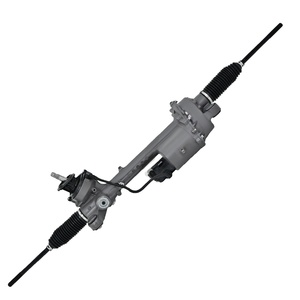

Cross-referenced elastomeric protection solutions engineered for passenger vehicles, pickup platforms, and severe-duty commercial steering gears.
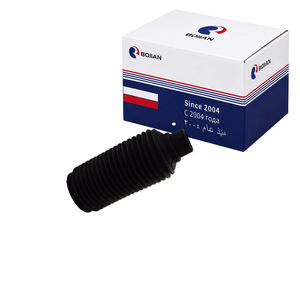
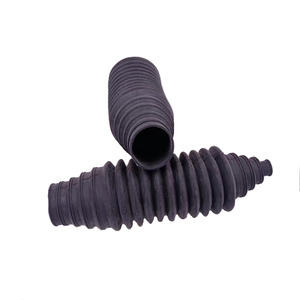
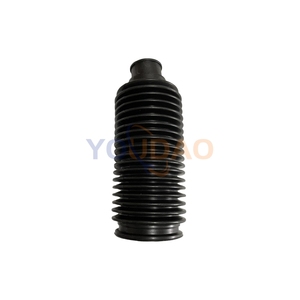
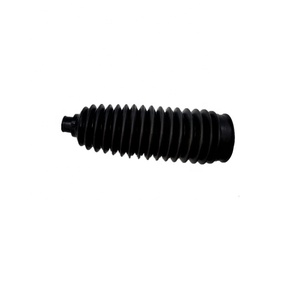
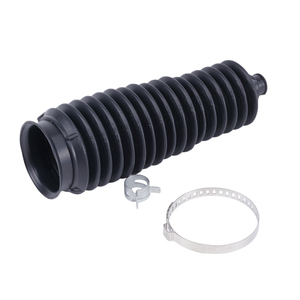
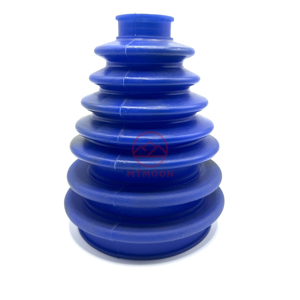
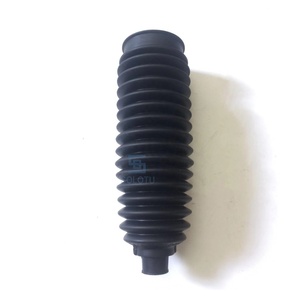
The steering rack boot—commonly referred to in tier-one engineering as the steering gear gaiter or bellow—serves as the front line of hermetic defense for modern vehicle dynamics. Enclosing the axial joint and the high-tolerance internal rack shaft, this dynamic component operates under severe conditions: cyclic axial extension, acute angular deflection, and continuous exposure to ozone, high-pressure hydraulic oils, thermal spikes from exhaust headers, and abrasive road debris.
As a certified manufacturing facility, our production infrastructure bridges the gap between conventional aftermarket parts and OE-level durability. Compromised bellow integrity allows micro-particulates of sand and water to infiltrate the rack housing. This swiftly deteriorates the oil seals, causes metal-on-metal rack pitting, initiates inner tie rod corrosion, and ultimately triggers catastrophic power steering gear failure (EPS or hydraulic). By establishing strict compound formulations across CR (Chloroprene), EPDM, high-performance Thermoplastic Elastomers (TPE/TPEE), and fluorosilicone polymers, our factories ensure dynamic cycle life extending beyond 1,000,000 stroke iterations without stress cracking.
Molded using automated compression and blow-molding cells, our bellows provide elongation-at-break performance over 450%, retaining geometric memory across extreme extension without wall buckling or localized necking.
Engineered to resist synthetic greases (lithium and calcium complex), motor fuels, brake fluids, and road salt. Designed to operate stably across extreme thermal envelopes spanning -40°C to +135°C without vulcanization degradation.
Features ultra-precise internal clamping lips engineered for OE metric bands, preventing air-leak ballooning and internal vacuum collapse during high-speed lock-to-lock maneuvers through calibrated equalization conduits.
Originating from our production facility in Thailand, our group maintains rigorous control over the entire supply sequence. While many global brokers outsource sub-components to unverified workshops, our facilities formulate, compound, mold, deburr, and evaluate all elastomeric products in-house.
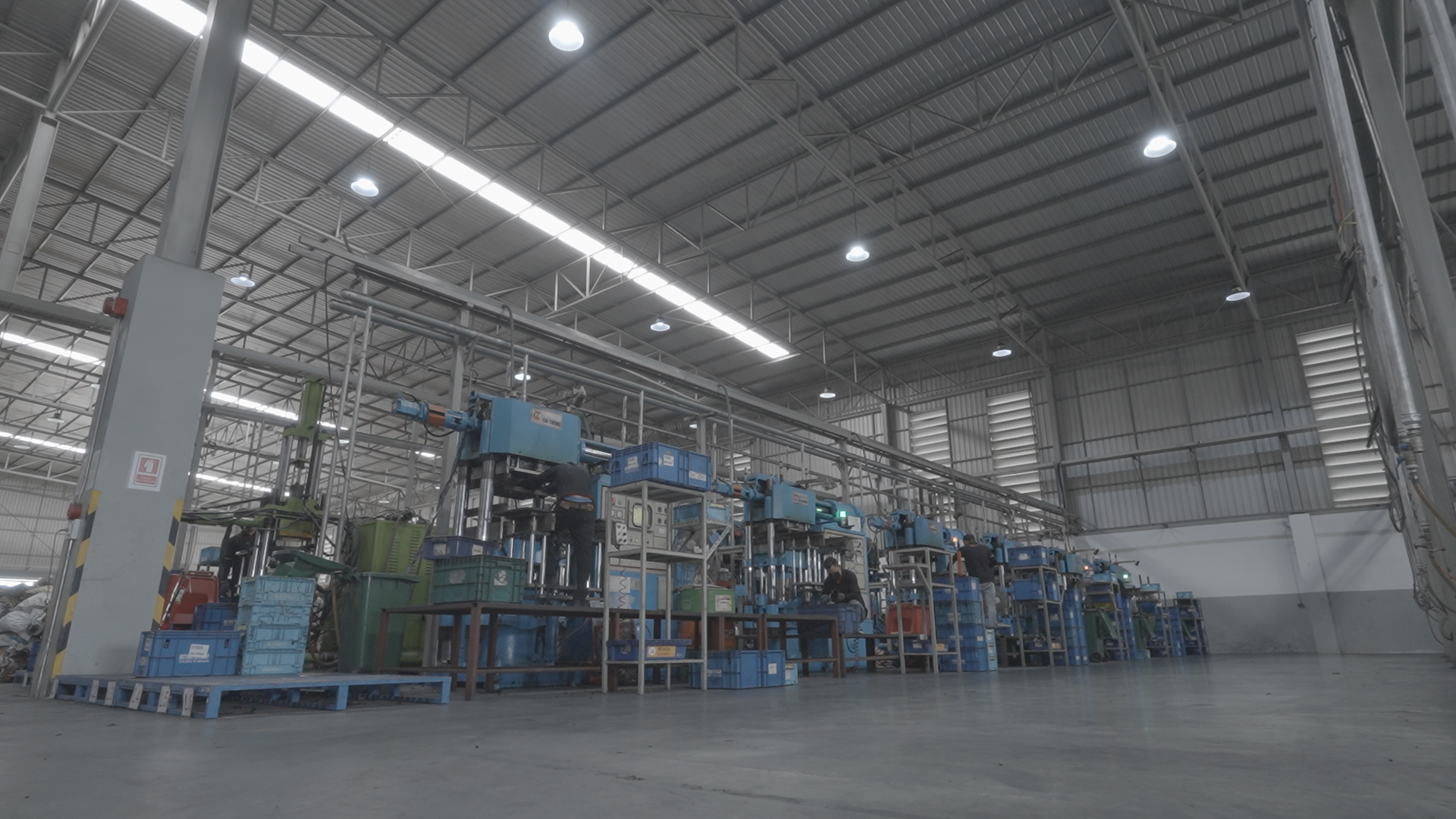
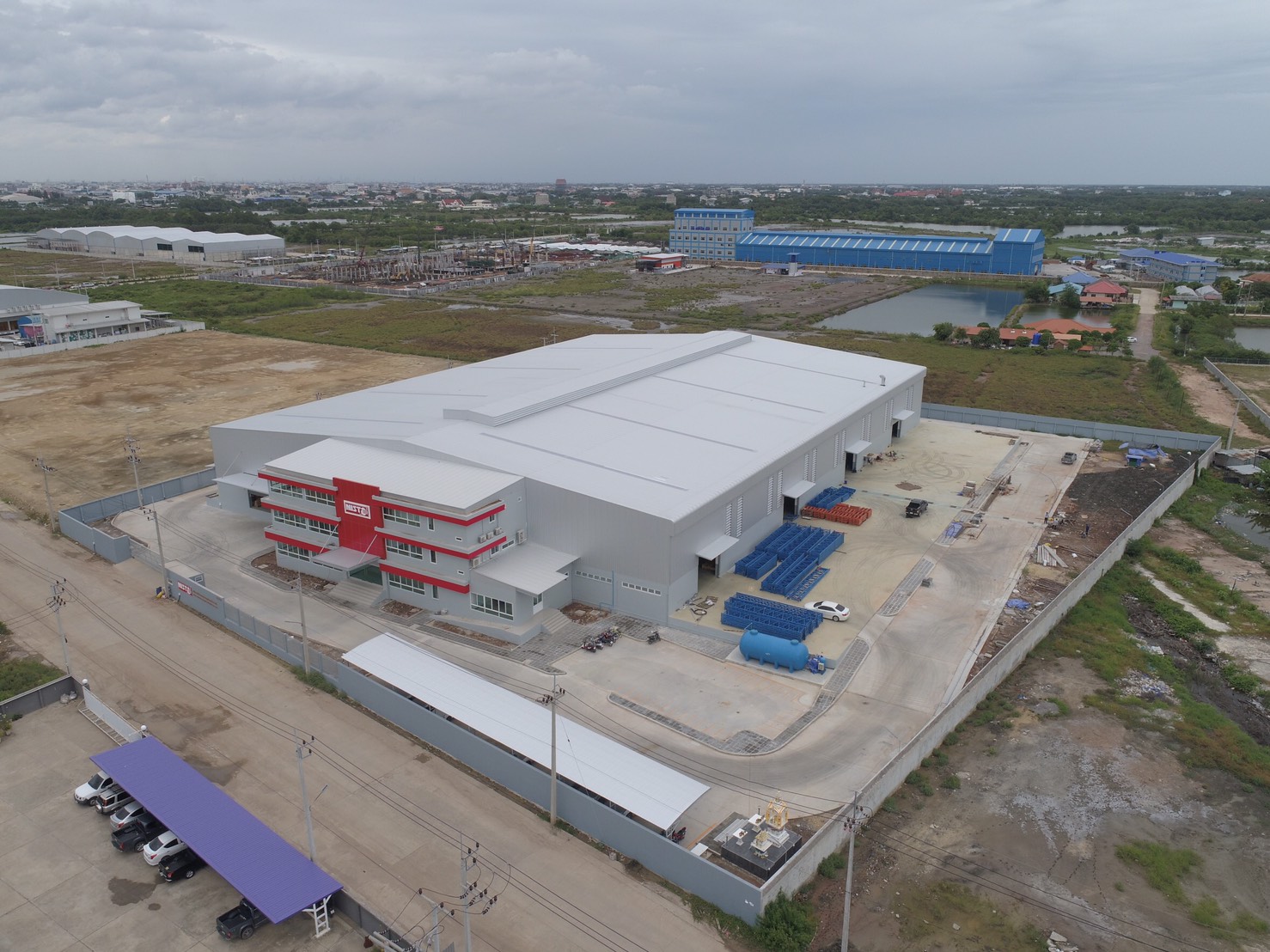
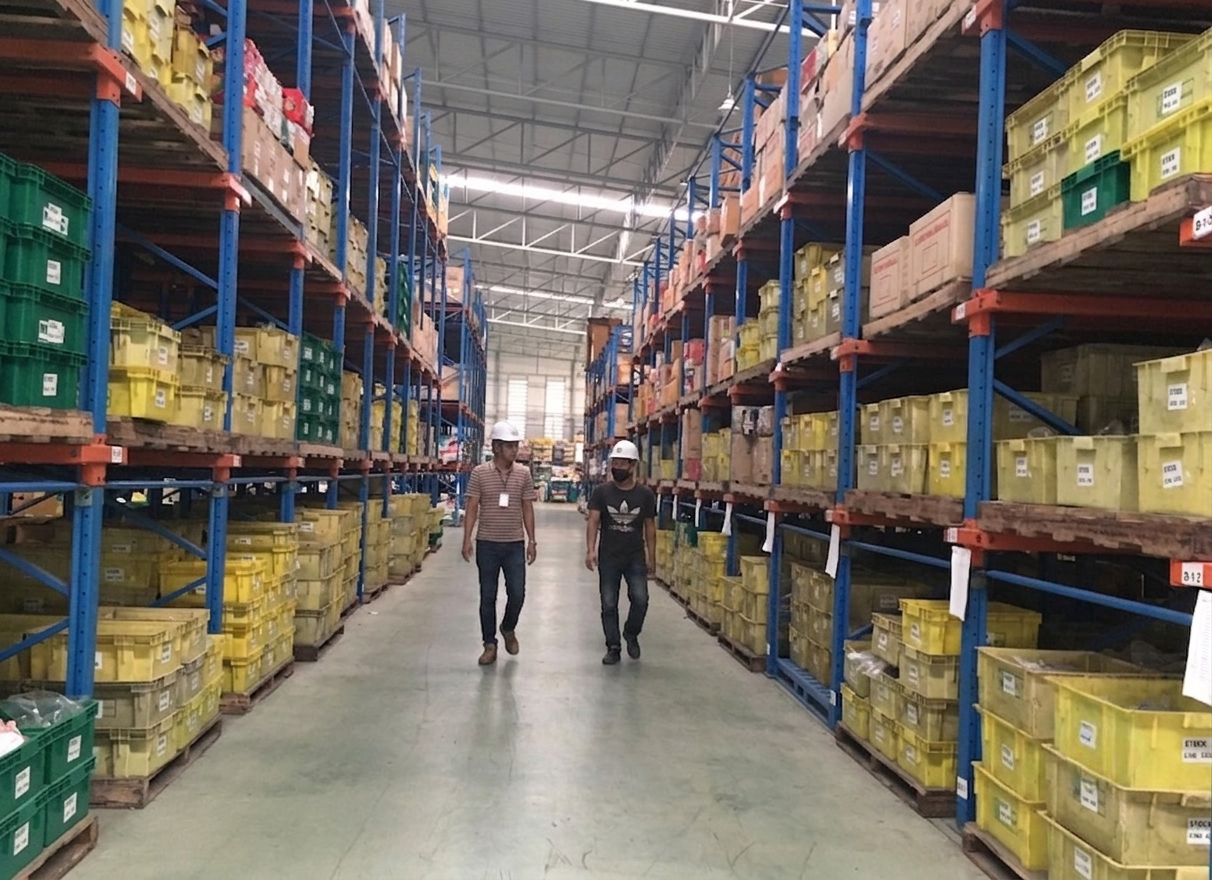
Our direct, vertically integrated plant infrastructure provides significant, measurable commercial and technical advantages for global importers, Tier-2 system aggregators, and national wholesale distributors:
Selecting the optimal bellow substrate is dictated by operating temperature, chassis clearance, steering rack displacement dynamics, and target operational lifecycle. Below is our engineering baseline for OEM and aftermarket replacement lines:
| Property Parameter | CR (Polychloroprene / Neoprene) | TPE / TEE (Thermoplastic Elastomer) | EPDM (Ethylene Propylene) | High-Purity Silicone |
|---|---|---|---|---|
| Operating Temperature | -35°C to +115°C | -45°C to +130°C | -40°C to +125°C | -60°C to +200°C |
| Grease & Hydrocarbon Resistance | Good to Very Good | Excellent | Moderate (Swelling risk) | Good (application specific) |
| Puncture & Abrasion Resistance | Very High | Exceptional (Thin wall stiffness) | High | Moderate to Low |
| Flex Fatigue Cycle Life | > 800,000 cycles | > 1,500,000 cycles | > 700,000 cycles | > 1,000,000 cycles |
| Production Methodology | Compression / Transfer Mold | Extrusion Blow Molding | Compression Injection | Liquid Injection Molding (LIM) |
| Primary Market Application | Heavy Duty Pickups, SUV, Aftermarket | Modern OE Standard, EPS Modules | Cost-effective replacement | Motorsport, Extreme Cold Climates |
The steering system sector is undergoing major engineering shifts driven by lightweighting, electrification, and international environmental directives. Corporate purchasing divisions should monitor these market developments when qualifying manufacturing partners:
With electric power-assisted steering (EPS) mounted directly to the steering gear or column, rack internal temperatures rise due to brushless electric actuators. Modern boots require enhanced radiant heat reflection and structural ribbing to maintain clearance under tight EV skateboard chassis envelopes.
Procurement departments are phasing out non-recyclable sulfur-cured rubber compounds in favor of recyclable Thermoplastic Copolyesters (TPC-ET) and TPE. These deliver a 30% reduction in unladen part weight, lower greenhouse gas emissions during molding, and enable thin-wall designs.
Fleet operators and distributors are abandoning single-SKU sourcing. Modern procurement combines steering rack boots with matched OE sway bar links, suspension control arm bushings, engine mounts, and driveshaft center bearings within unified container deliveries to reduce supply chain overhead.
For international procurement directors, the true financial impact of an elastomeric part lies not in the purchase cost, but in defect rates, fitment errors, and early field returns. Sourcing low-grade generic boots often creates hidden liabilities:
1. Recycled Polymer Fillers: Sub-tier suppliers frequently incorporate high percentages of recycled crumb rubber and carbon black fillers to reduce material cost. This drastically degrades ozone resistance, leading to premature bellow splitting within 6 to 12 months of installation.
2. Mold Shift and Flashing Imperfections: Inadequate tool clamping creates flash along the inner sealing lips. If the inner clamping collar cannot form a clean seal around the tie rod and rack body, water penetrates the inner joint, causing tie rod rust and rapid assembly degradation.
3. Breather Port and Tube Incompatibilities: In advanced sealed steering gears, left-to-right air transfer occurs through internal equalization conduits. Boots without calibrated air passage collars or breather nipples can balloon or collapse under quick steering adjustments, causing premature dislodgement.
Our standard production relies predominantly on premium Chloroprene Rubber (Neoprene / CR), high-grade EPDM, and Thermoplastic Elastomers (TPE/TPEE). For extreme motorsports, custom styling, or sub-zero mining fleets, we also manufacture using high-purity, color-customizable silicone rubber that maintains flexibility from -60°C to +200°C.
Yes. Our manufacturing lines run under strict quality management systems aligned with ISO 9001 and IATF 16949 production standards, with CE compliance verification. All shipments undergo comprehensive compound testing, tensile validation, and lot-controlled inspections.
Yes. With our in-house mold-making division, our engineers can prototype, cast, and tool new custom bellows directly from physical samples, 2D technical drawings, or 3D CAD files (STEP/IGES) within 15 to 25 working days, including pilot sampling and compound rheology reports.
We provide full flexibility: we can ship bare bellows for high-volume automated assembly plants, or complete repair kits featuring stainless steel 304 ear clamps, tie-wrap sets, and molybdenum disulfide grease packets packaged in customized private-label boxes.
Our engineering technical library contains detailed geometry cross-references for more than 9,485 automotive components. Every steering boot is verified against the original equipment factory dimensions—including rack housing diameter, tie rod rod-end collar diameter, extended stroke length, and contracted stroke limit.
For catalog items with tooling ready, our standard MOQ starts at 300 to 500 units per line item. For customized compounds or newly fabricated molds, minimums generally start at 1,000 units. Standard order delivery ranges from 25 to 35 days for containerized seafreight shipments.
Connect with our technical sales engineers to review detailed cross-reference tables, request tooling specifications, or obtain formal pricing for wholesale container programs.
Get Catalog