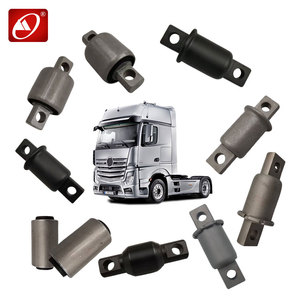

Manufactured using vulcanized elastomer bonding, CNC-machined alloy ball studs, and high-tensile steel sleeves for exact dimensional tolerances and extreme dynamic fatigue endurance.
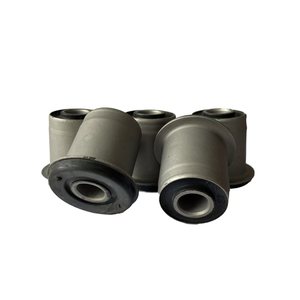
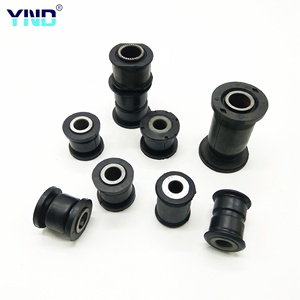
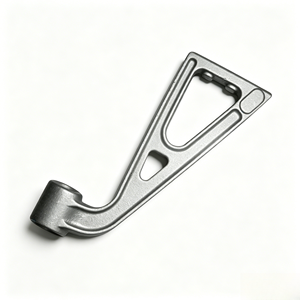
A technical assessment for Tier-1 distributors, aftermarket buyers, and procurement specialists managing dynamic axle stability.
In commercial and passenger chassis systems, the suspension link rod (frequently referred to in steering kinematics as the sway bar link, stabilizer link, or anti-roll bar drop link) serves as the primary torsional transfer component bridging the vehicle’s anti-roll bar to the strut or suspension control arm. As modern multi-link suspensions demand greater ride isolation without compromising high-speed chassis roll stiffness, the structural requirements imposed on suspension link rods have evolved dramatically. Sourcing high-performance linkage assemblies from a certified China suspension link rod supplier & exporter requires deep insight into fatigue resistance, elastomer compound bonding, ball-joint frictional torque, and atmospheric corrosion prevention.
Fabricated using cold-extruded or hot-forged 40Cr/4140 alloy structural steel. Ball surfaces undergo continuous high-frequency induction hardening to reach HRC 56–62 with superfinishing roughness (Ra ≤ 0.15μm) to minimize rotational friction torque.
Engineered with ozone-resistant, low-temperature resistant CR/HNBR synthetic elastomer boots. Secured via dual zinc-plated spring-steel rings that retain internal synthetic polyurea grease across -40°C to +120°C temperature excursions.
Reinforced polyoxymethylene (POM-MOS2) or specialized sintered alloy self-lubricating ball cups absorb continuous dynamic impact loadings, mitigating end-play wear, rattle harmonics, and road vibration transmissions over 100,000 km cycles.
Critical metallurgical, mechanical, and material parameters evaluated by QA laboratories before export approval.
| Evaluation Parameter | Certified China OEM-Spec Supplier | Substandard Market Alternative | Operational Impact on Vehicle |
|---|---|---|---|
| Ball Stud Base Material | 40Cr / 42CrMo High-Tensile Alloy | Q235 / Mild Carbon Steel | High sheer resistance against shock loads vs. catastrophic fracture |
| Ball Core Induction Hardening | 58 - 62 HRC (Depth 1.5 - 2.5mm) | Surface Untreated or < 40 HRC | Sustains ball roundness; eliminates joint play and steering clunking |
| Extraction / Pull-Out Force | ≥ 35 kN to 45 kN (ISO 16232) | < 18 kN | Prevents ball stud detachment under heavy off-camber chassis articulation |
| Salt Spray Corrosion Resistance | 720h - 1,000h ASTM B117 (Geomet / E-Coat) | < 96h Plain Electrogalvanized | Withstands winter road salt, slurry, and coastal chloride exposure |
| Boot Material & Elasticity | Pure CR Elastomer / High-Grade TPU | Recycled Rubber / Low Durometer PVC | Zero ozone cracking down to -40°C; maintains permanent grease seal |
How supply chain realignment, vehicle electrification, and digital B2B integration are reshaping chassis link rod sourcing.
Procurement directors managing multi-market automotive aftermarket portfolios face an increasingly complex sourcing environment. Navigating cross-border freight volatility, currency adjustments, and strict ESG compliance demands that wholesale distributors transcend simple transactional pricing and form direct technical alliances with integrated manufacturing plants.
With battery electric vehicles (BEVs) weighing 25% to 35% more than their ICE counterparts, instant torque and low-center-of-gravity cornering force link rods to withstand significantly higher torsional shear. Buyers are systematically revising purchase specifications from standard 10mm-diameter link rods to reinforced 12mm–14mm rods using hollow lightweight tubes and high-durometer PU bushings.
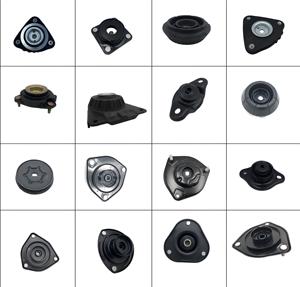
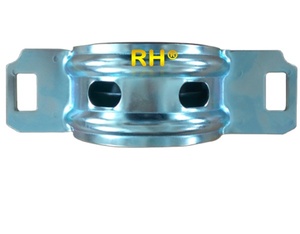
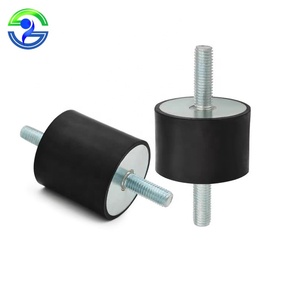
Global distributors are moving away from piecemeal sourcing. Procurement teams now prefer consolidated container shipments combining suspension link rods, control arm bushings, shock absorber mountings, and driveshaft center bearings under a unified Quality Assurance standard, dramatically reducing handling fees and customs administration overhead.
Inventory dead-stock represents the single largest margin drain for auto parts wholesalers. Procurement workflows require fully documented dimensional blueprints, OE interchange tables (covering European, Japanese, American, and Korean marques), and TecDoc-ready data integration to assure rapid warehouse turnaround and zero-return distribution.
Next-generation lightweighting, hybrid polymer enclosures, and zero-defect automated testing.
The automotive manufacturing sector is undergoing an aggressive transition toward mass-reduction strategies without sacrificing structural integrity. Suspension link rods, once treated as simple welded metal bars, now integrate sophisticated multi-material mechanical solutions:
To eliminate unsprung mass, manufacturers are pairing continuous glass-fiber or carbon-fiber reinforced polyamide (PA66-GF50) central bodies with ultrasonic-welded steel ball-end housings. This architecture achieves a 35% weight reduction while maintaining identical buckling threshold ratings under high-g cornering stresses.
Traditional hexavalent chromium coatings have been completely supplanted by ecological trivalent zinc-nickel (Zn-Ni) and micro-layered zinc-flake (Geomet/Dacromet) coatings. These nano-composite layers offer superior sacrificial cathodic protection against stone-chipping abrasions and survive 1,200+ hours in neutral salt spray testing.
Modern production facilities utilize high-speed machine vision to verify 360-degree boot crimp integrity and laser micrometer checks on stud sphericity. Multi-axis dynamic servo actuators subject each batch to full-cycle rotational friction, articulation angle, and dynamic breakaway torque verification.
End-to-end tooling, rubber compound formulation, and metal stamping under a unified quality management umbrella.
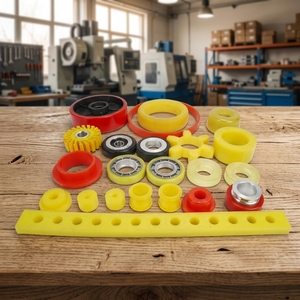
Unlike trading entities that outsource rubber molding or assembly, our integrated facility controls the complete process chain: from proprietary polymer recipe compounding and internal steel stamping to vulcanized rubber-to-metal bonding and precision CNC machining.
We maintain comprehensive catalog inventories across 60 critical suspension and driveline categories. Covering 31 Japanese, European, and American vehicle makes, each reference is mapped with high-definition photos, OE numbers, and precise fitment data for rapid picking and dispatch.
Every bushing, link rod, and shock mounting is reverse-engineered against original equipment benchmarks. Rubber durometer hardness, tensile elasticity, and metal sleeve dimensions are tightly calibrated to assure drop-in OE replacement and noise-free operation.
Practical facts and technical criteria for wholesale auto parts importers and supply chain directors.
Connect directly with our suspension engineering and export team. Send your OE part numbers, annual procurement estimates, or custom dimensional specifications for an immediate, factory-direct quotation.
Send an Inquiry