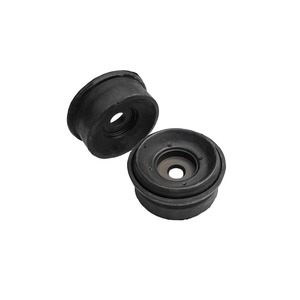
Factory Direct Front Air Suspension Shock Strut Mounting for Audi Q7 4M 2015+ 4M0616039AC
OE: 4M0616039AC
Get a Quote

Precision-machined elastomer solutions engineered to isolate torsional vibration, withstand extreme thermal gradients, and deliver exact OEM mechanical alignment across global vehicle platforms.
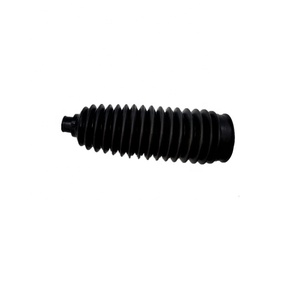
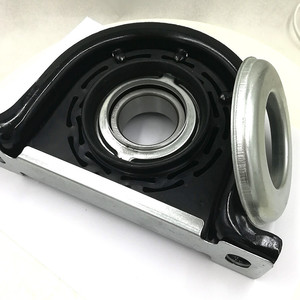
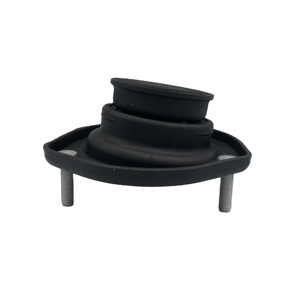
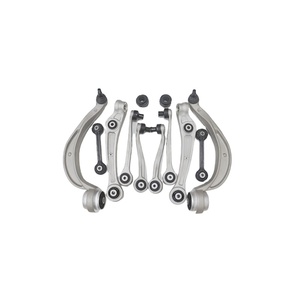
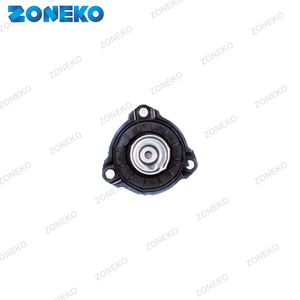
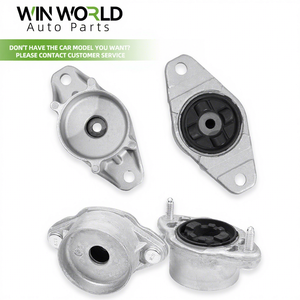
In modern automotive chassis architecture, the motor mount (engine mounting) operates as the primary structural boundary between the vibrating internal combustion engine or electric powertrain and the structural subframe. Its core engineering objective involves mitigating high-amplitude, low-frequency shocks caused by road unevenness (engine bounce: 1–15 Hz) while attenuating high-frequency acoustic vibrations generated by reciprocating engine combustion and rotational harmonics (acoustic isolation: 30–250 Hz). Balancing these opposing engineering dynamics requires advanced elastomer formulation, precision rubber-to-metal bonding, and specialized structural modeling.
As a Tier-focused China wholesale motor mount manufacturer and exporter, our engineering facilities utilize advanced natural rubber (NR) and synthetic compounds including ethylene propylene diene monomer (EPDM), polybutadiene (BR), and chloroprene (CR). By manipulating filler networks—such as high-structure carbon black and silane-coupled nano-silica—we optimize the material loss factor (Tan Delta, δ). A high loss factor at lower frequencies prevents chassis resonance, whereas minimal dynamic hardening at high frequencies ensures superior cabin acoustics (NVH performance). Our in-house rheology labs verify cross-link density via Moving Die Rheometers (MDR), ensuring that each cure cycle delivers uniform elastic modulus, minimal creep under sustained static loads, and exceptional thermal degradation resistance (-40°C to +120°C).
Direct factory control from raw elastomer compounding and tooling fabrication to automated vulcanization and three-axis testing ensures full compliance with global OEM quality benchmarks.
We blend in-house virgin elastomers with tailored vulcanizing packages to control tensile strength (≥ 22 MPa), elongation at break (≥ 450%), and durometer hardness (Shore A 45 to 75 ± 3). Dynamic properties are systematically balanced to prevent transmission shudder and driver fatigue.
Metal stamping and casting components undergo automated multi-stage degreasing, ultrasonic zinc-nickel phosphating, and electrostatic adhesive application using high-performance Chemlok primers. This achieves adhesive bond strengths exceeding the cohesive shear strength of the rubber matrix.
Utilizing high-tonnage vacuum compression and injection molding presses, our automated curing cells eliminate air inclusions, prevent knit lines, and hold critical dimensional tolerances within ±0.15 mm across extensive production runs.
Our expansive database cross-references more than 9,485 discrete parts across 60 product families. Importers and distributors verify applications against original equipment codes, VINs, and chassis identifiers to minimize catalog discrepancies.
Mounting assemblies undergo multi-million cycle dynamic endurance testing under combined static load, angular deflection, and high-frequency excitation. Destructive pull tests confirm bond resilience under extreme vehicle operating conditions.
Actionable market intelligence for Tier-1 distributors, private label owners, and overseas supply chain directors sourcing chassis damping systems.
The global automotive powertrain mount market is undergoing a structural transition driven by the hybridization and electrification of light-duty vehicles, alongside increasing average vehicle fleet ages in mature markets. Supply chain professionals are prioritizing manufacturers with versatile multi-material tooling capabilities rather than suppliers limited to conventional elastomeric casting.
| Procurement Vector | Conventional Sourcing Model | Next-Generation Strategic Sourcing | Impact on Supply Chain Margin |
|---|---|---|---|
| Powertrain Mix | Exclusively conventional ICE mounts (solid natural rubber) | Hydraulic engine mounts, active vacuum actuators & EV e-axle dampeners | +22% Average Unit Value |
| Raw Material Formulation | Standard general-purpose NR elastomers | Engineered EPDM/HNBR for severe thermal stability (>135°C) | -35% Warranty Claim Risk |
| Structural Bracket Metal | Heavy cast iron or structural sheet steel | Lightweight die-cast aluminum alloys & high-strength polyamide composites | -18% Freight Overhead |
| Supply Chain Visibility | Broker trading intermediaries with multi-tier markups | Direct factory sourcing with in-house molding and bonded metallurgy | 15–28% Direct COGS Savings |
Forward-thinking purchasing consortia are increasingly shifting toward factory-direct supply agreements in China that integrate custom mold-flow simulation (FEA) into preliminary product development. By collaborating with integrated producers capable of executing mold modifications internally, aftermarket brands can compress sample-to-production cycles from 180 days down to 45 days, capturing immediate demand for late-model vehicle applications.
Anticipating engineering requirements for electric powertrains, variable damping control, and sustainable polymer chemistry.
Battery electric vehicles (BEVs) produce instantaneous torque and high-frequency gear mesh whine (500–2,000 Hz) rather than low-frequency combustion vibrations. Next-generation mounts use specialized low-tan-delta elastomers that isolate fine structural frequencies without succumbing to high torsional shock loads under rapid acceleration.
Hydraulic motor mounts incorporate dual internal fluid chambers linked via an inertia track and decoupled membrane. When low frequencies occur, fluid surges through the orifice track to provide hydraulic damping. Active electro-magnetic mounts now dynamically generate anti-phase forces to nullify vibration across variable cylinder deactivation modes.
Global carbon compliance directives are accelerating adoption of bio-based silica, reclaimed tire pyrolytic carbon black, and eco-certified natural rubbers. Chemical engineers are modifying coupling architectures to ensure recycled compounds meet dynamic mechanical criteria without accelerating thermal oxidation or ozone cracking.
Technical and logistical solutions addressing minimum order thresholds, quality standards, testing protocols, and custom tooling runs.
Solid engine mounts primarily use premium natural rubber (NR) compounded with anti-ozonants to maximize tensile elasticity and mechanical fatigue life. Hydraulic mounts combine custom NR compounds with internal ethylene glycol or specialized damping oils, requiring high-barrier internal vulcanization to prevent oil migration, fluid swelling, or membrane degradation under sustained pressure.
Bonding integrity is secured through a fully automated, four-step preparation cycle: precision blast profiling, multi-stage ultrasonic degreasing, zinc phosphate conversion coating, and robotic primer/adhesive deposition. Every batch undergoes destructive 90-degree peel tests (ASTM D429 Method B) requiring 100% rubber failure rather than bond boundary separation.
For existing catalog items supported by active tooling, standard minimum order quantities (MOQs) start at 50 to 100 pieces per SKU. For bespoke OEM or custom development requiring new stamping dies, casting molds, and vulcanization tooling, new mold trials are completed in 30–45 days, followed by full container dispatch within 30 days of PPAP approval.
Our Quality Assurance protocol conducts accelerated environmental conditioning according to ISO 188 (thermal aging at 100°C for 72 hours), ozone chamber exposure under ISO 1431 (50 pphm at 20% elongation), and neutral salt spray testing (ASTM B117) exceeding 480 hours to verify corrosion protection across all aluminum and coated steel brackets.
Yes. Our engineering department works directly with STEP, IGES, and native CAD files. Using in-house CNC machining centers and coordinate measuring machines (CMM), we develop prototypes, optimize compound fill geometry via non-linear FEA, and produce initial samples with comprehensive inspection reports.
Connect with our technical engineering department to discuss application-specific elastomeric designs, review full OEM interchange catalogs, or schedule a comprehensive factory audit.
Get a Quote