
Direct from our precision vulcanization production lines: High-integrity rear engine mounts, bonded suspension bushings, rack boots, and driveline linkages engineered to strict OEM durometer and dynamic fatigue standards.
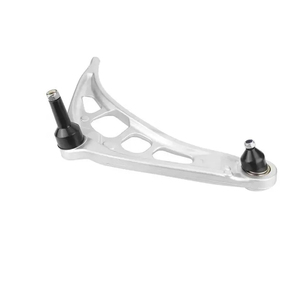
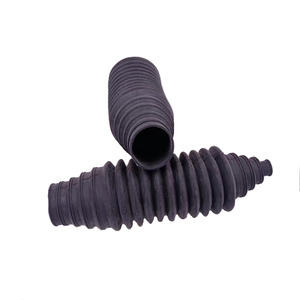
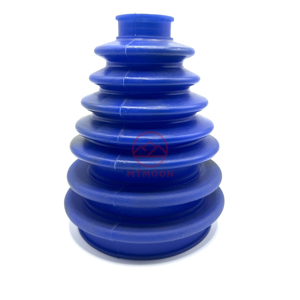
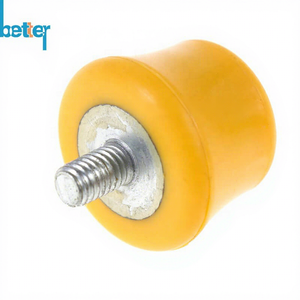
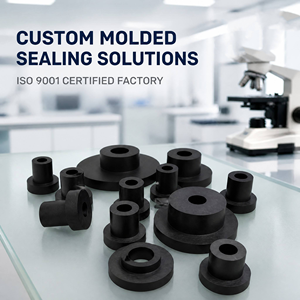
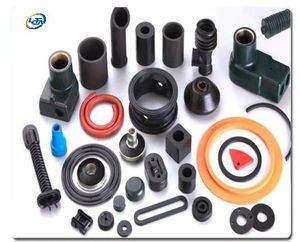
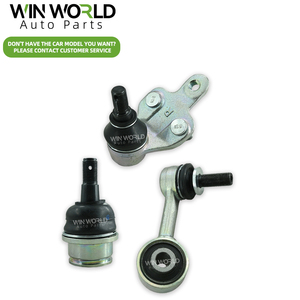
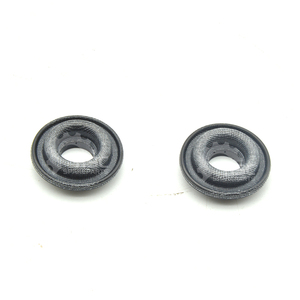
In modern transverse and longitudinal powertrain configurations, the rear engine mount—often functionally designated as the lower torque rod, pitch stop, or roll restrictor—endures the most severe dynamic cyclic loading of any anti-vibration mount (AVM) in the vehicle chassis. While front and side engine mounts largely support the static weight of the engine and transmission block, the rear engine mount governs dynamic torsional deflection generated during acceleration, gear engagement, regenerative braking, and wide-open throttle (WOT) tip-in conditions.
Failure of the rear engine mount transmits acute Noise, Vibration, and Harshness (NVH) into the passenger bulkhead, accelerates wear on constant-velocity (CV) axle joints, and induces unwanted engine roll that destabilizes manual and automatic gear linkage mechanisms. For Tier-1 parts distributors, procurement managers, and large-scale importers, choosing a verified China wholesale rear engine mount supplier requires moving beyond surface aesthetics to scrutinize compounding chemistries, elastomeric fatigue endurance, rubber-to-metal adhesive strength, and finite element stress isolation.
The operational longevity of a heavy-duty rear engine mount depends upon two indispensable engineering pillars: polymer compounding optimization and surface-treated Chemlok® adhesive bonding integrity. At our ISO 9001 and IATF 16949 compliant facilities, compounding begins with tightly controlled internal Banbury mixers where raw natural rubber is paired with specialized carbon blacks (N330/N550 grades) to formulate a material exhibiting high tensile resilience (>18 MPa) and low compression set (<20% after 72 hours at 70°C).
For bracket assemblies, our facilities utilize precision die-cast ADC12 aluminum alloys and hot-rolled structural steel (Q235/SPHC). Metal surfaces undergo automated five-stage grit-blasting, chemical degreasing, zinc-phosphate conversion coating, and robotic primer-adhesive application. During high-tonnage vacuum compression and injection vulcanization (operating under precise 160°C–175°C thermal curves), the chemical adhesive initiates irreversible cross-linking with the elastomer, yielding a bond peel strength exceeding 12 kN/m that prevents delamination even under extreme engine lurch conditions.
Technological disruption, electric vehicle architecture, and shifting global supply networks are redefining how automotive distributors source NVH components.
Electric powertrains lack internal combustion engine noise maskings, making sub-frame resonance and gear-whine audible at human acoustic sensitivities. Sourcing is rapidly shifting toward dual-chamber hydraulic mounts and high-frequency micro-cellular polyurethane isolators capable of absorbing instantaneous, zero-RPM electric torque spikes without fatigue fracture.
Global wholesale distributors are bypassing trading middlemen to establish direct relationships with vertically integrated Chinese manufacturers. B2B buyers now mandate comprehensive PPAP (Production Part Approval Process) Level 3 documentation, full material test certificates (MTC), and real-time SPC telemetry from vulcanization presses.
Next-generation luxury and commercial platforms increasingly specify vacuum-actuated switchable engine mounts and electronically controlled magnetorheological damping. Simultaneously, stringent European and North American ESG frameworks are driving the integration of devulcanized recycled rubber blends without compromising DIN 53516 abrasion resistance.
Comparing physical properties, adhesive bonding standards, and testing criteria across OEM-matched manufacturing and conventional low-cost alternatives.
| Engineering Parameter | Our Factory Standard (Tier-1 OEM Grade) | Standard Budget Aftermarket | Inspection / Testing Protocol |
|---|---|---|---|
| Elastomeric Formulation | Virgin NR / Synthetic EPDM Blend + Low-Volatile Esters Optimal | High Reclaim Rubber Content + Bituminous Extenders Brittle | Thermogravimetric Analysis (TGA) & FTIR |
| Shore A Hardness Tolerance | Strict ±3 Shore A (Tunable 45 to 75 Shore A) Exact NVH | Loose ±8 Shore A (Varies dramatically across batches) | ASTM D2240 Durometer Calibration |
| Rubber-to-Metal Bonding | Multi-Stage Chemlok® Primer/Adhesive with 100% Rubber Tear >12 kN/m | Single-coat generic adhesive; frequent metal delamination | ASTM D429 Method B (90° Stripping Test) |
| Tensile Strength & Elongation | ≥ 18.5 MPa Tensile / ≥ 480% Ultimate Elongation | ≤ 10.2 MPa Tensile / ≤ 280% Elongation | ISO 37 / ASTM D412 Dynamic Tensometer |
| Dynamic Fatigue Life (Cycles) | ≥ 500,000 cycles under dynamic 15Hz multi-axial torque Verified | Fails at < 120,000 cycles (Cracking at core junction) | Multi-Axis MTS Servo-Hydraulic Bench Test |
| Surface Anti-Corrosion | Cataphoretic E-Coating or Geomet 500 (≥ 720 Hours Salt Spray) | Basic spray paint or flash zinc (< 96 Hours Salt Spray) | ASTM B117 Neutral Salt Spray (NSS) Test |
Operating dedicated mold tooling, stamping, and rubber vulcanization lines, our manufacturing facility stands as a premier source for over 9,485 catalogued automotive rubber-to-metal SKUs. Serving premier brands across 31 global vehicle platforms—including Toyota, Nissan, Honda, Mitsubishi, Isuzu, Ford, Mazda, Hyundai, GM/Chevrolet, Chrysler/Jeep, and Hino commercial trucks—we provide end-to-end quality sovereignty.
Our competitive advantages directly mitigate the structural pain points experienced by international parts wholesalers:
Addressing the technical, operational, and financial considerations of purchasing wholesale rear engine mounts from China.
Hardness directly dictates vibration transmission and engine deflection. We utilize certified durometer batch-testing during compounding and post-vulcanization, ensuring each batch adheres to ±3 Shore A of the OEM benchmark. For heavy diesel and performance applications, dual-durometer elastomer inserts are molded to isolate high-frequency idle vibration while resisting high-torque pitch deflection.
Bonding failure is the most common cause of rear engine mount warranty claims. We employ automated grit-blasting to achieve an Sa 2.5 surface roughness, followed by Chemlok® adhesive application under controlled temperature and humidity. Our vulcanization bonding achieves 100% rubber cohesive failure (the elastomer tears before the adhesive releases) validated under ASTM D429 standards.
For catalogued items with active tooling, our standard MOQ is typically 100 to 300 pieces per SKU, allowing distributors to mix dozens of part numbers within standard 20ft or 40ft shipping containers. Repeat production orders average 30 to 40 days. In-stock ready inventory can be packaged and dispatched within 7 working days.
Yes. Our in-house engineering wing operates coordinate measuring machines (CMM), optical 3D scanners, and FEA simulation software. We regularly reverse-engineer obsolete OEM mounts or fabricate custom heavy-duty reinforced polyurethane/rubber mounts for fleet, off-road, and specialty applications. Mold fabrication and prototype sampling require approximately 20 to 30 business days.
Cheap rubber compounds undergo glass transition (crystallization) between -15°C and -25°C, turning brittle and transmitting harsh structural vibrations into the vehicle cabin. Our proprietary cold-climate formulations incorporate synthetic polybutadiene and synthetic plasticizers to maintain elastomeric flexibility down to -45°C, passing full Russian and Nordic sub-zero testing protocols.
We provide a standard 12-month / 30,000-kilometer or optional 24-month / 60,000-kilometer manufacturer warranty covering structural fracture, rubber delamination, and excessive degradation. In the rare event of a verified defect, we execute root-cause 8D analytical reporting and provide full credit or replacement components in your subsequent shipment.
Request comprehensive OEM cross-reference catalogs, factory price sheets, sample prototypes, or customized anti-vibration compounding proposals directly from our engineering desks.
Contact Us