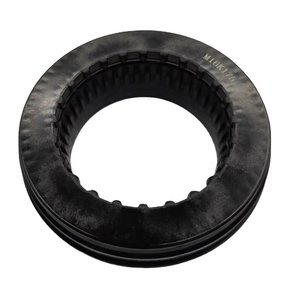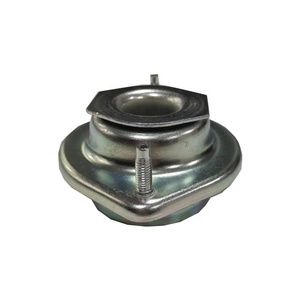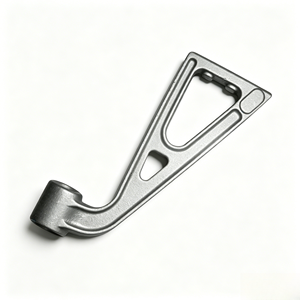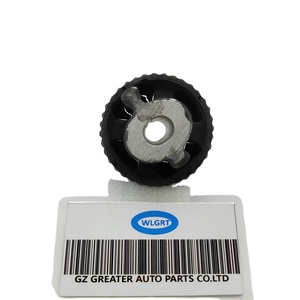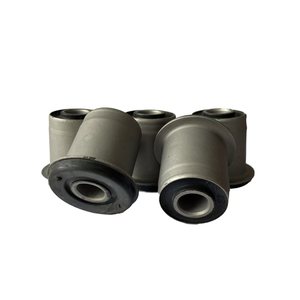
In contemporary automotive engineering and industrial heavy machinery, the silent block bushing (elastomeric vibration isolator) functions as the critical pivot joint separating structural chassis members from high-frequency dynamic excitation. NISTO RUBBER combines advanced formulation synthesis (Natural Rubber, NR, EPDM, and NBR) with proprietary surface silane coupling pre-treatments, delivering zero-delamination bonding under extreme multiaxial torsional, radial, and conical shear loads.
Tested for dynamic stiffness, torsional endurance, and environmental resilience against petrochemical solvents.
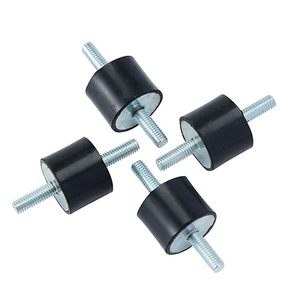
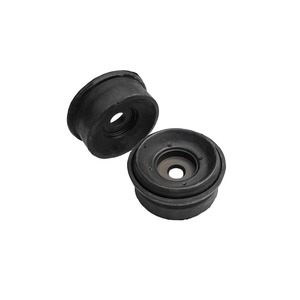
Comprehensive specifications showing how NISTO OEM formulations exceed generic market standards.
| Evaluation Parameter | OEM Tier-1 Specification | NISTO RUBBER Factory Spec | ASTM / ISO Test Standard |
|---|---|---|---|
| Shore A Hardness Range | 55 ± 5 Shore A | 58 ± 3 Shore A (Optimized Damping) | ASTM D2240 / ISO 7619-1 |
| Tensile Strength at Break | ≥ 14.5 MPa | ≥ 18.2 MPa (Reinforced Polymeric Matrix) | ASTM D412 / ISO 37 |
| Rubber-to-Metal Peel Adhesion | ≥ 8.0 N/mm (100% Rubber Tear) | ≥ 11.5 N/mm (Zero Interfacial Failure) | ASTM D429 Method B |
| Compression Set (70h @ 100°C) | ≤ 28% | ≤ 19.5% (High Thermal Resistance) | ASTM D395 Method B |
| Fatigue Cycling Life | ≥ 500,000 cycles @ ±15° torsional | ≥ 1,200,000 cycles (Endurance Validated) | MTS Dynamic Servo-Hydraulic |
| Corrosion Resistance (Outer Sleeve) | 240 Hours Neutral Salt Spray | 480 Hours (Zinc-Nickel Electro-Plated) | ASTM B117 / ISO 9227 |
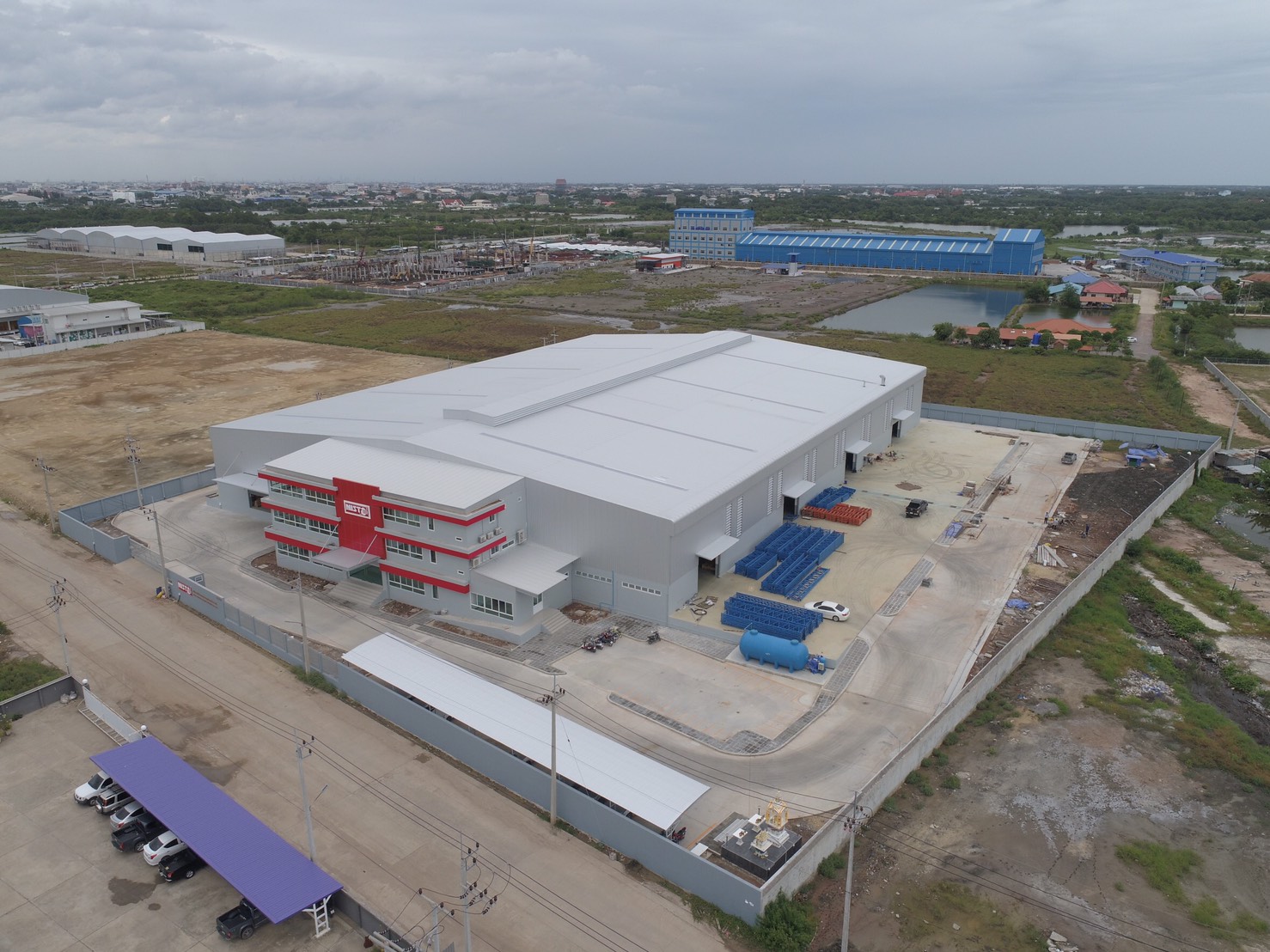
Decades of specialized elastomer formulation and vertical integration in Thailand's premier rubber processing belt.
Operating directly in Thailand grants us unmediated access to Grade-A ribbed smoked natural rubber sheets (RSS1). We avoid degraded polymer chains, ensuring optimum molecular weight distribution and dynamic fatigue life.
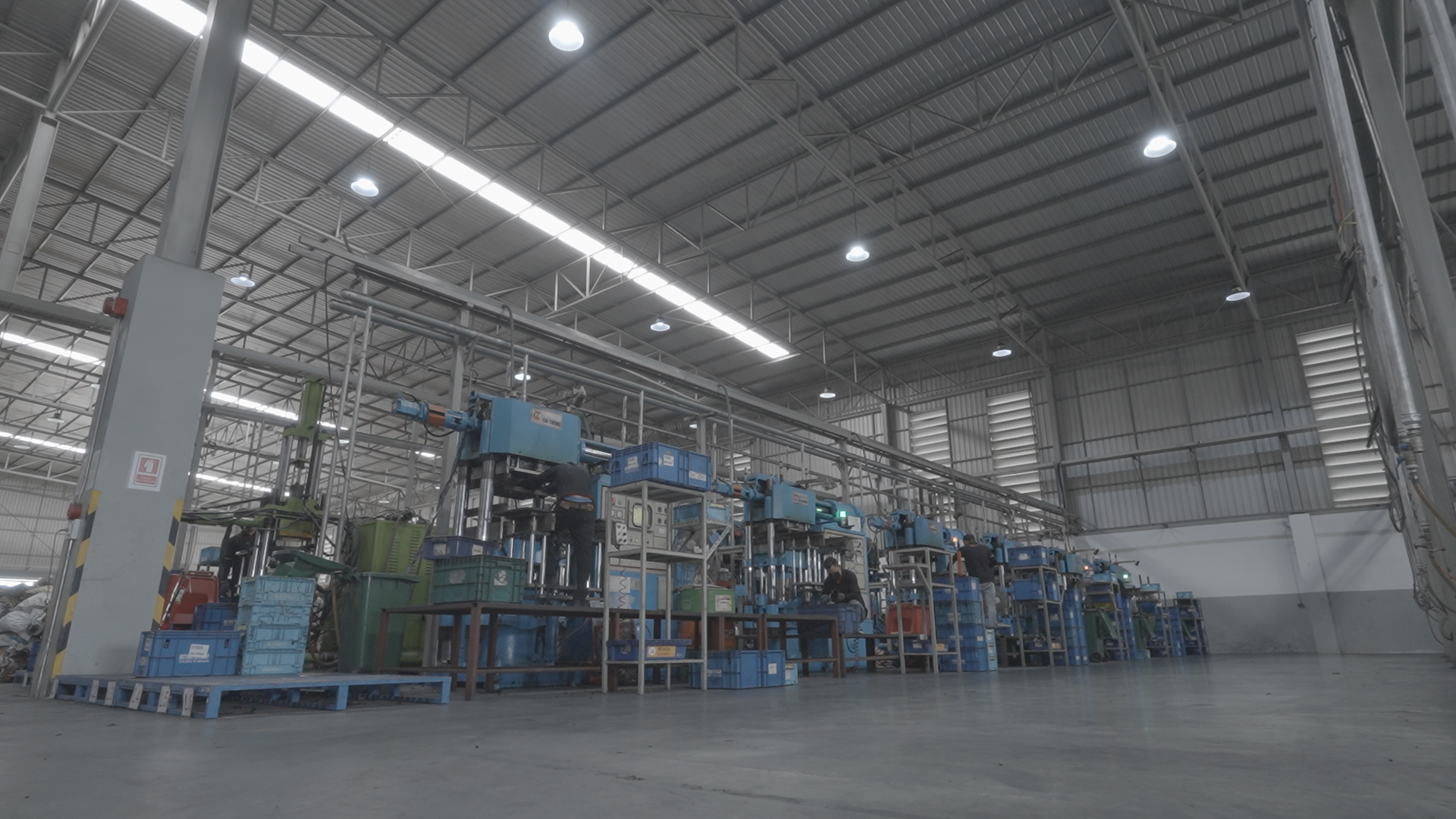
From micro-tolerance CNC machining of inner steel sleeves to computer-controlled transfer molding, all 9,485 active SKUs are produced internally without third-party outsourcing, guaranteeing uniform batch hardness ±3 Shore A.
Interfacial separation between metal sleeves and vulcanized rubber is the primary failure mode of cheap aftermarket bushings. Our automated degreasing, grit-blasting, and primer-adhesive dual spray line prevents delamination forever.
Our silentblock portfolio directly supports 31 passenger, commercial, and light-truck vehicle lines, including Toyota, Honda, Isuzu, Ford, Hyundai, BMW, and Audi, verified with full dimensional drawings and OE cross-references.
Every compound batch is tested using Moving Die Rheometers (MDR) for scorch time, cure rate, and viscoelastic modulus before entering the injection press line, preventing incomplete cross-linking or premature aging.
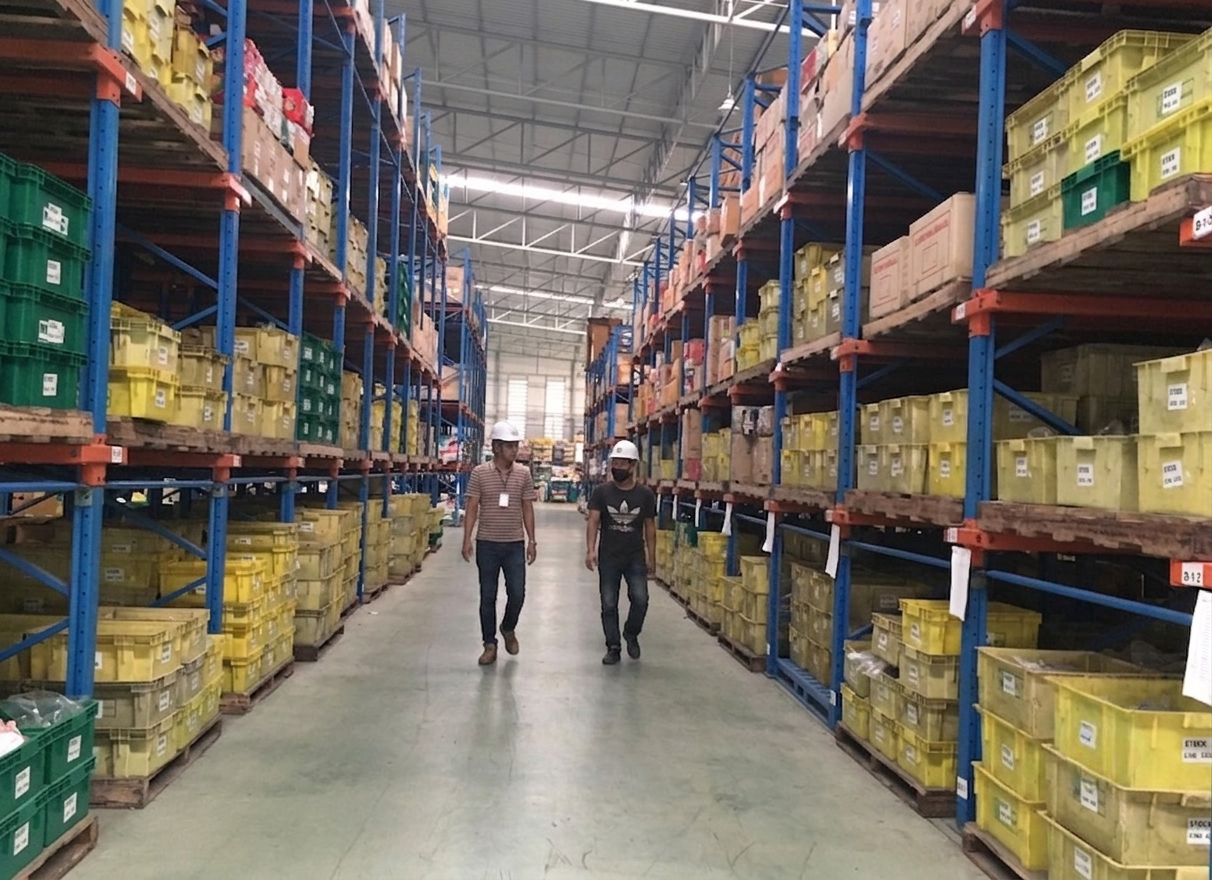
With thousands of square meters of dedicated multi-tier warehouse racking, we maintain buffer stocks of fast-moving control arm bushings and strut mounts, reducing delivery lead times from months down to days for global importers.
Emerging vehicle architectures and ESG regulations are reshaping how global tiers select silentblock manufacturing partners.
With internal combustion engine masking noise eliminated, electric vehicle (EV) suspensions transmit cabin rumble directly. Procurement strategies now prioritize dual-durometer hydro-bushings and higher loss factors (η ≥ 0.18) to absorb coarse tarmac road feedback.
To reduce unsprung vehicle mass and maximize battery efficiency, silent block factories are substituting traditional carbon-steel shells with forged EN AW-6082 aluminum and continuous glass-fiber reinforced polyamide (PA66-GF50) inner cores.
Global supply chains are navigating strict EU REACH and PFAS regulations. Tier-1 buyers increasingly demand vulcanized compounds derived from sustainably harvested natural rubber, recycled carbon black, and eco-friendly vulcanization accelerators.
To avoid single-country tariff risks and shipping disruptions, automotive brand owners are migrating silent block sourcing contracts to direct Southeast Asian manufacturers like NISTO Thailand, leveraging local rubber supply proximity.
Direct technical answers addressing compound selection, bonding failure prevention, and custom OEM tool design.
Silent blocks rely on elastomeric deflection rather than sliding contact. Because the rubber is chemically bonded to inner and outer sleeves, rotational movement is absorbed via molecular shear rather than surface friction, eliminating squeaking, wear, and periodic lubrication needs entirely.
We apply a strict chemical automation protocol: steel sleeves receive degreasing, zinc phosphatizing, and controlled sand-blasting (Sa 2.5 profile), followed by two-coat adhesive spray (Chemlok) and pre-heating before transfer molding. Bond strength exceeds rubber tensile limits (100% rubber cohesive failure).
Yes. Our in-house mold and tooling facility accepts STEP, IGES, and DWG files, as well as physical bench samples. We utilize CMM scanning, evaluate dynamic stiffness requirements, and develop customized extrusion or transfer molds within 20 to 35 business days.
Natural Rubber (NR) blended with synthetic polybutadiene (BR) is the industry benchmark for control arm bushings, offering high mechanical resilience, low heat buildup during high-frequency travel, and superior resistance to tear propagation compared to pure synthetic EPDM.
Our outer steel and aluminum sleeves undergo precision CNC turning and post-vulcanization calibration sizing. Diametrical tolerances are held to ISO h8/h9 fits, ensuring predictable press-in force without buckled sleeves or control arm bore galling during automated vehicle assembly.
For existing catalog references (over 9,485 parts in stock), we accommodate low MOQs of 50 to 100 units per line item. For full OEM custom mold developments, production batches start at 500 units, with typical container loadings departing Laem Chabang Port within 25 days.
Whether optimizing an aftermarket chassis replacement line or developing specialized anti-vibration bushings for heavy machinery, NISTO's engineering team provides detailed tooling quotes, compound rheometry reports, and direct OEM cross-referencing.