
Molded in-house using custom rubber formulations (NR, EPDM, NBR, PU) designed to withstand rigorous dynamic deflection, thermal extremes, and chemical exposure across 31 vehicle marques.
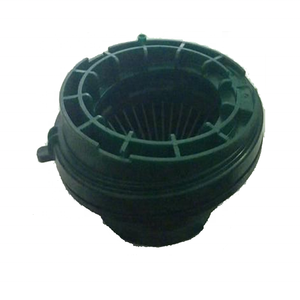
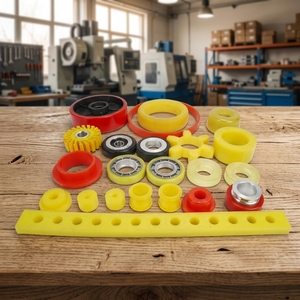
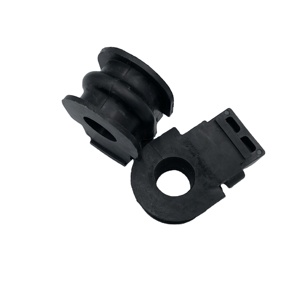
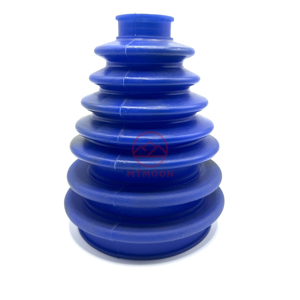
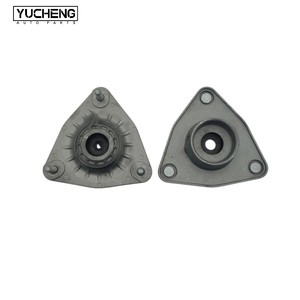
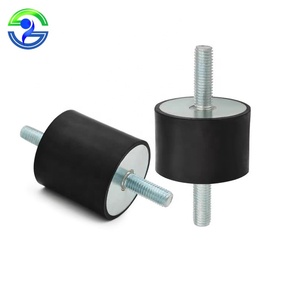
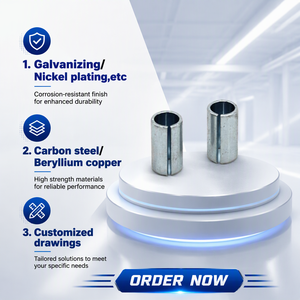
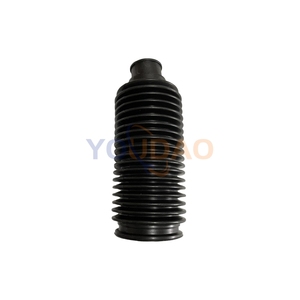
In the demanding realm of modern automotive chassis systems, suspension rubber components serve as the critical line of defense between chassis kinematics, road-induced high-frequency vibrations, and occupant ride comfort. As a leading manufacturer based in Thailand—the epicenter of natural rubber (NR) harvesting and vulcanization research—our production infrastructure is designed from the ground up to eliminate the quality inconsistencies typically introduced by multi-tiered outsourcing.
Operating dedicated automated injection and compression molding presses, our production facilities process over 9,485 individual catalogued items across 60 specialized automotive categories. By housing internal formulation laboratories, precision tooling development, chemical degreasing, sandblasting, phosphating, Chemlok® adhesive bonding, and vulcanization presses beneath one roof, we enforce rigorous control over each component's tensile strength, elongation at break, and dynamic stiffness rate (K-rate).
Automated internal Banbury mixers blend virgin RSS3 natural rubber, virgin EPDM, and specialty fluoroelastomers with custom carbon black reinforcing fillers to precisely control Shore A durometer (35 to 85) and glass transition temperatures.
Two-coat primer and adhesive systems applied over micro-blasted, zinc-phosphated carbon steel inner and outer sleeves. Certified under ASTM D429 Method B to guarantee 100% rubber cohesive failure rather than adhesive boundary separation.
Every batch is checked against OEM coordinate measuring machine (CMM) data, measuring interference fit tolerances, void angles, inner bore concentricity, and axial/radial deflection curves under simulated multi-axis dynamic loads.
Selecting the appropriate polymer blend is the defining engineering decision in chassis bushing and mount durability. Below is our engineering benchmark comparing standard elastomer compounds utilized across passenger cars, commercial vehicles, and heavy-duty trucks.
| Elastomer Substrate | Dynamic NVH Damping | Tensile Strength (MPa) | Thermal Window | Oil / Fuel Resistance | Target Chassis Applications |
|---|---|---|---|---|---|
| Natural Rubber (NR - RSS3) | Exceptional (Tan δ < 0.10) | 18 - 28 MPa | -40°C to +85°C | Poor (Moderate Swell) | Strut top mounts, engine mounts, control arm pivot bushings |
| EPDM (Terpolymer) | Good (Tan δ 0.12 - 0.18) | 12 - 20 MPa | -45°C to +135°C | Fair (High Ozone Resist) | Sway bar / stabilizer bar cushions, exhaust isolators, brake dust boots |
| Polyurethane (Cast PU) | Moderate (High Stiffness) | 25 - 45 MPa | -35°C to +90°C | Excellent | Motorsport suspension arms, subframe inserts, mining vehicle pivots |
| Chloroprene Rubber (CR) | Very Good | 15 - 22 MPa | -35°C to +110°C | Good (Resists Greases) | Drive shaft CV boots, steering rack bellows, tie rod dust covers |
| Hydraulic Damped (Hydro-Bushing) | Adaptive Resonance Peak | Custom Composite | -30°C to +90°C | Enclosed Glycol Chamber | Premium EV and luxury SUV front lower control arm compliance bushings |
*Test protocols conducted in compliance with ISO 37 (tensile properties), ISO 7619-1 (durometer hardness), and ASTM D395 Method B (compression set under constant deflection).
Global automotive parts purchasing executives are navigating profound supply chain transformations. Relying purely on transactional, spot-market purchasing from intermediary trading companies exposes distributors to substantial SKU mismatches, excessive freight tariffs, and sudden batch failures. Forward-thinking procurement directors are pivoting their sourcing criteria around three transformative industry shifts:
Over the next decade, automotive suspension components will transition from static rubber dampeners to high-performance, dynamic load-bearing mechatronic interfaces. Factory R&D investments are focused squarely on three technical frontiers:
1. Lightweight Composite Metal Replacements: Traditional cast iron or heavy steel outer sleeves are rapidly being superseded by fiber-reinforced polyamides (PA66-GF50) and high-strength extruded 6000-series aluminum alloys. These hybrid bushings achieve a 30% to 45% weight reduction per chassis corner, directly reducing unsprung mass, improving shock absorber reaction times, and extending battery range in modern BEVs.
2. Microcellular Polyurethane (MCU) Jounce Bumpers: In modern progressive suspension systems, traditional solid rubber bump stops are being phased out in favor of microcellular polyurethane foam springs. MCU provides non-linear spring characteristics, compressing to over 70% of its free height without radial bulging, dissipating sudden shock loads smoothly while preserving strut life.
3. Smart Hydro-Bushings with Tuned Fluid Inertia: Hydraulic bushings integrate internal rubber decoupling membranes, fluid chambers, and restrictor orifices. When challenged by low-frequency wheel hop (8–15 Hz), fluid resonant oscillation creates huge hydraulic damping forces. Under high-frequency road hiss (30–100 Hz), internal decoupling valves open, lowering dynamic stiffness to isolate cabin passengers from high-frequency buzz.
Everything international purchasing agents, importers, and regional distributors need to know about tooling, formulations, testing, and shipping logistics.