
Explore our high-demand universal constant velocity joint boot systems and precision chassis vibration-control components, engineered to meet and exceed rigid SAE J200 and ISO standards.
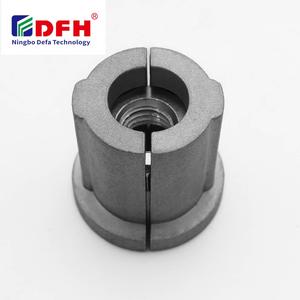
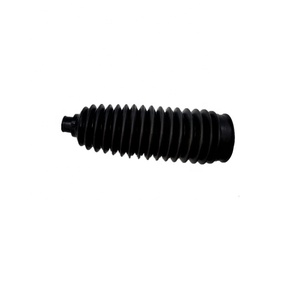
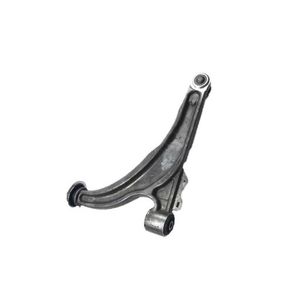
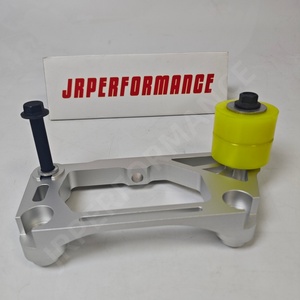
In modern front-wheel drive (FWD), all-wheel drive (AWD), and electric vehicle (EV) drivelines, the constant velocity boot acts as the final barrier preserving constant velocity lubrication against catastrophic failure. Our specialized manufacturing facility delivers polymer architectures that prevent rotational stress cracking, extreme weather degradation, and micro-puncture leaks under heavy mechanical load.
Strategic supply chain analysis for automotive procurement executives, inventory planners, and wholesale importers facing shifting powertrain dynamics and aftermarket consolidation.
Traditional Chloroprene Rubber (Neoprene) continues to dominate conventional replacement cycles due to its balanced flexibility and cost-effectiveness. However, enterprise buyers are rapidly pivoting to Thermoplastic Polyester Elastomers (TPE) for next-generation platforms.
TPE variants offer up to 40% reduction in wall thickness while simultaneously delivering superior puncture resistance against road debris, gravel impingement, and thermal friction caused by higher RPM output. For procurement leaders, dual-stocking Neoprene and TPE lines has become an operational prerequisite to satisfy both standard fleet maintenance and heavy-duty, high-heat powertrain demands.
The global transition to battery electric vehicles (BEVs) introduces severe instantaneous torque spikes directly from zero RPM. This dynamic mechanical impulse creates intense torsional flutter within CV joint bellows.
Furthermore, skateboard chassis configurations require higher articulation angles (up to 45 degrees or higher) during tight steering sweeps. Universal CV boot designs must incorporate graduated convoluted bellows, ensuring the folds expand and compress without self-abrasion, radial collapse under centrifugal force, or grease centrifugal migration away from bearing contact surfaces.
Warehouse holding costs and complex supply chain logistics are compelling tier-1 distributors to optimize stock-keeping units (SKUs). Carrying thousands of individual vehicle-specific CV boots immobilizes working capital.
The modern procurement trend favors Multi-Tier Universal CV Boot Systems. By engineering precision stepped tiers on both small and large boot ends, a single universal SKU can reliably service over 85% of front and rear passenger car axles. When paired with stretchable installation cones or pneumatic air tools, workshops slash installation labor hours by eliminating complete driveshaft disassembly.
How material science, compound vulcanization, and robotic mold calibration are redefining aftermarket durability thresholds across challenging global terrains.
A primary cause of premature CV boot degradation is compound embrittlement resulting from chemical incompatibility with synthetic molybdenum disulfide (MoS2) and high-load lithium complex greases. As operating temperatures inside CV joints climb past 120°C during prolonged high-speed driving, volatile plastifiers can leach out of inferior rubber.
Our OEM formulations utilize highly stabilized polymer networks fortified with anti-ozonants and specialized thermal stabilizers. This guarantees zero grease swelling, maintaining polymer elongation properties from -45°C sub-zero environments up to +140°C continuous thermal load without stress hardening.
Micro-grooves and parting line flash along the inner sealing lips of a CV boot create micro-channels for moisture intrusion and grease seepage. In traditional compression molding, tooling wear often leads to thick parting lines that inhibit airtight clamp tension.
We deploy high-cavity, cold-runner injection molding machines coupled with precision CNC-machined tooling. This results in ultra-uniform wall consistency across every convolution, preventing localized wall thinning that induces ballooning under extreme centrifugal forces at freeway speeds.
A CV boot's integrity relies completely on its retention mechanism. Improperly configured retention grooves cause boots to slide off joint housings under angular shear stress or aggressive suspension compression.
Our engineering team designs reinforced perimeter clamping shoulders matched exactly to OEM low-profile stainless steel ear clamps and stepless screw bands. The reinforced bead withstands high axial clamping forces without cutting into the elastomer, preserving hermetic joint sealing across rocky, muddy, and winter road environments.
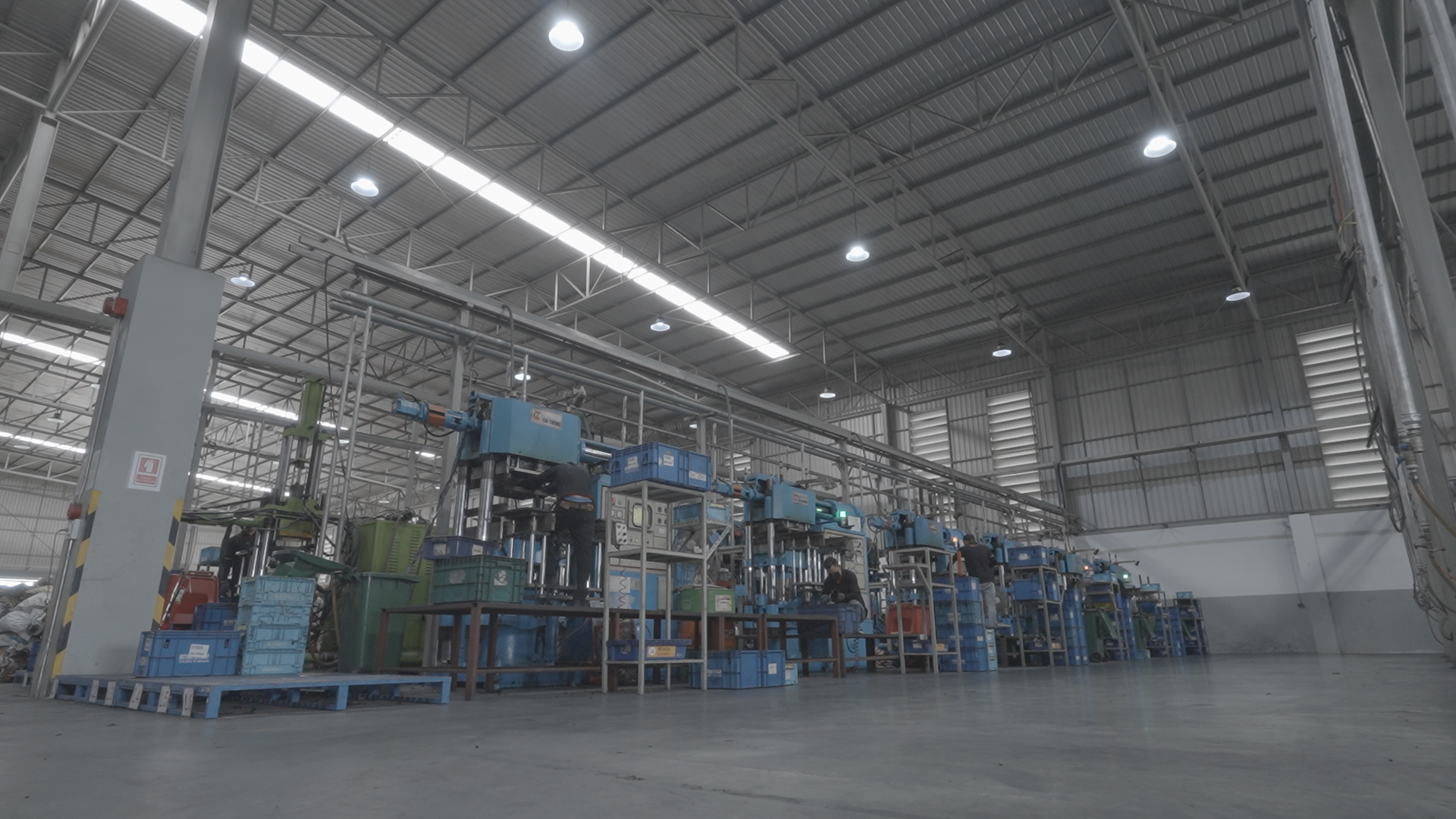 In-House Vulcanization
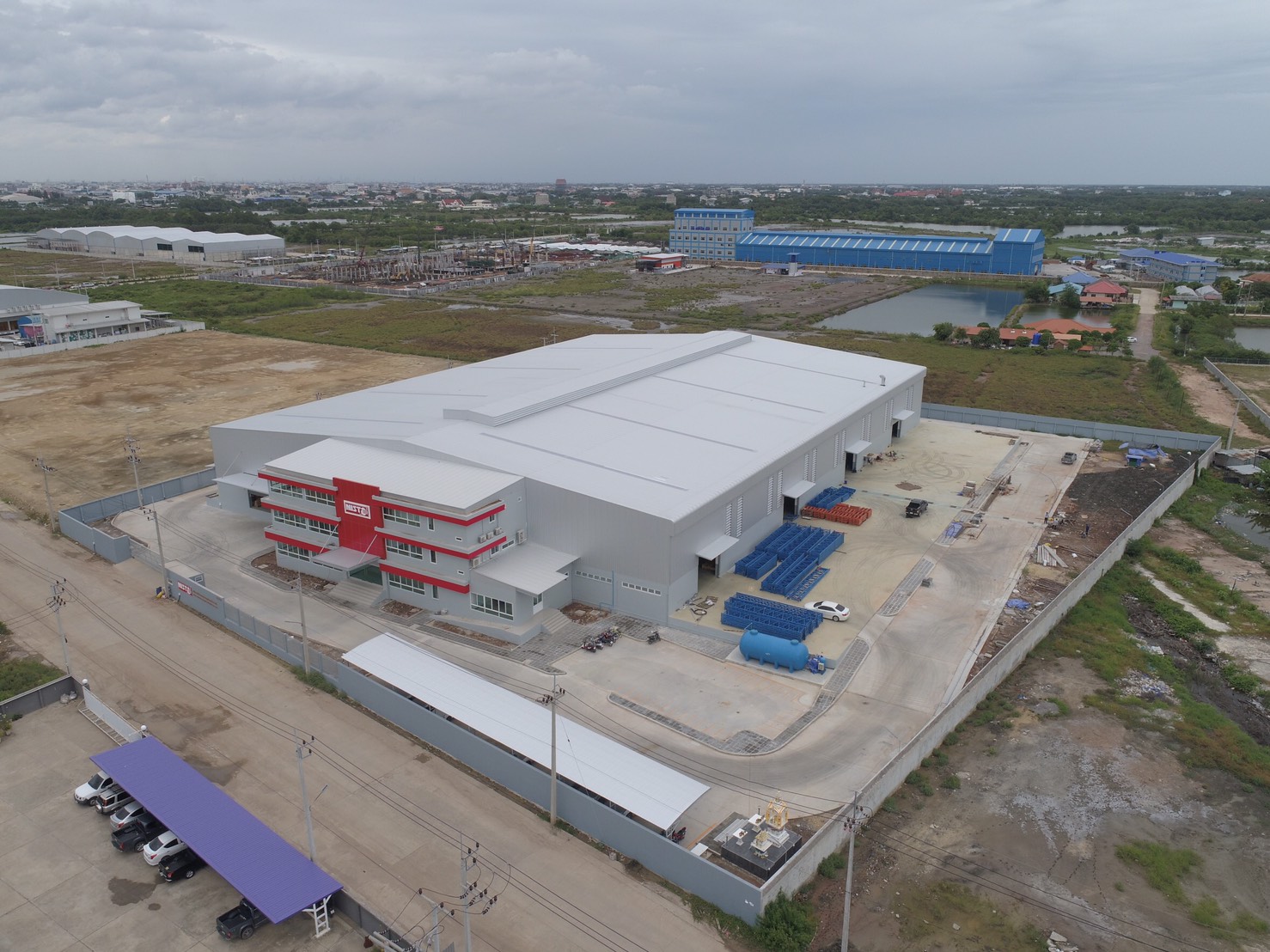 Thailand Plant
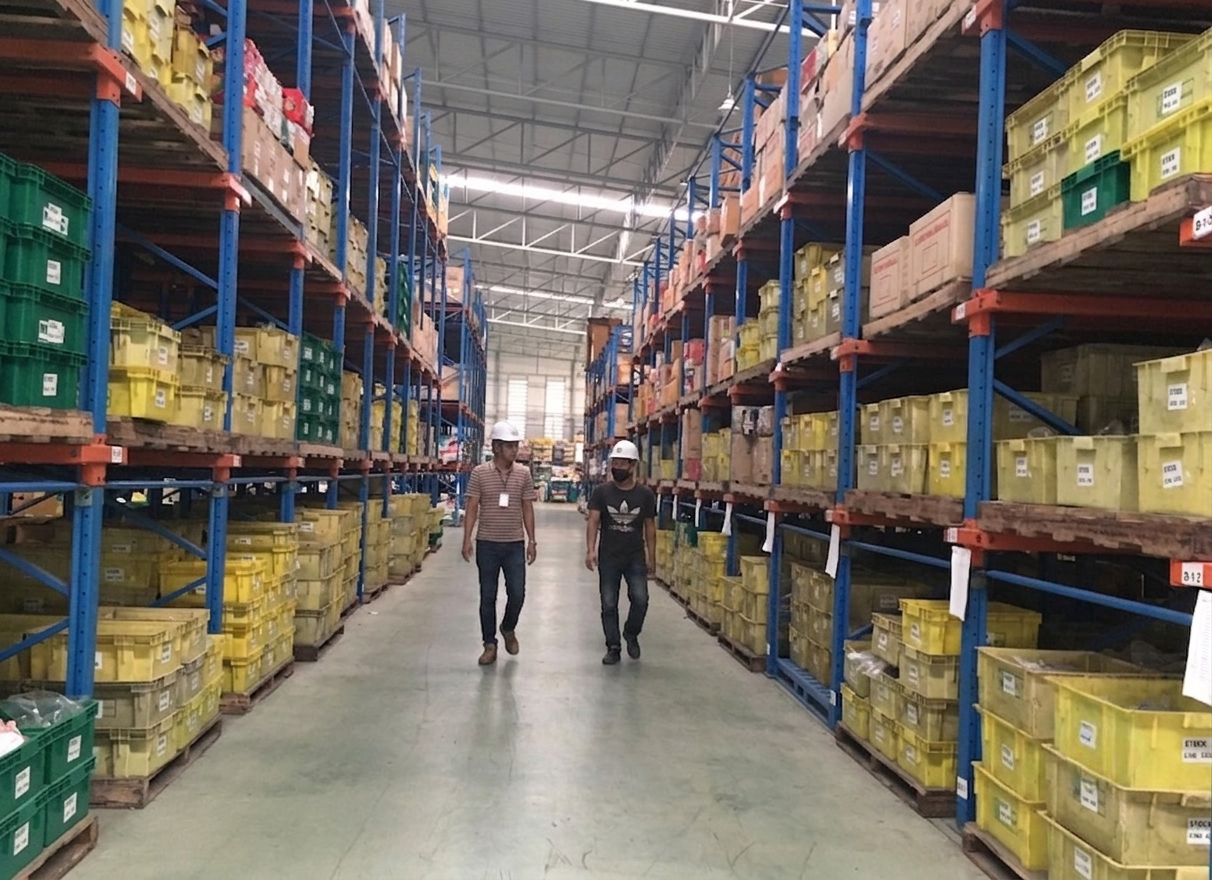 Inventory Hub
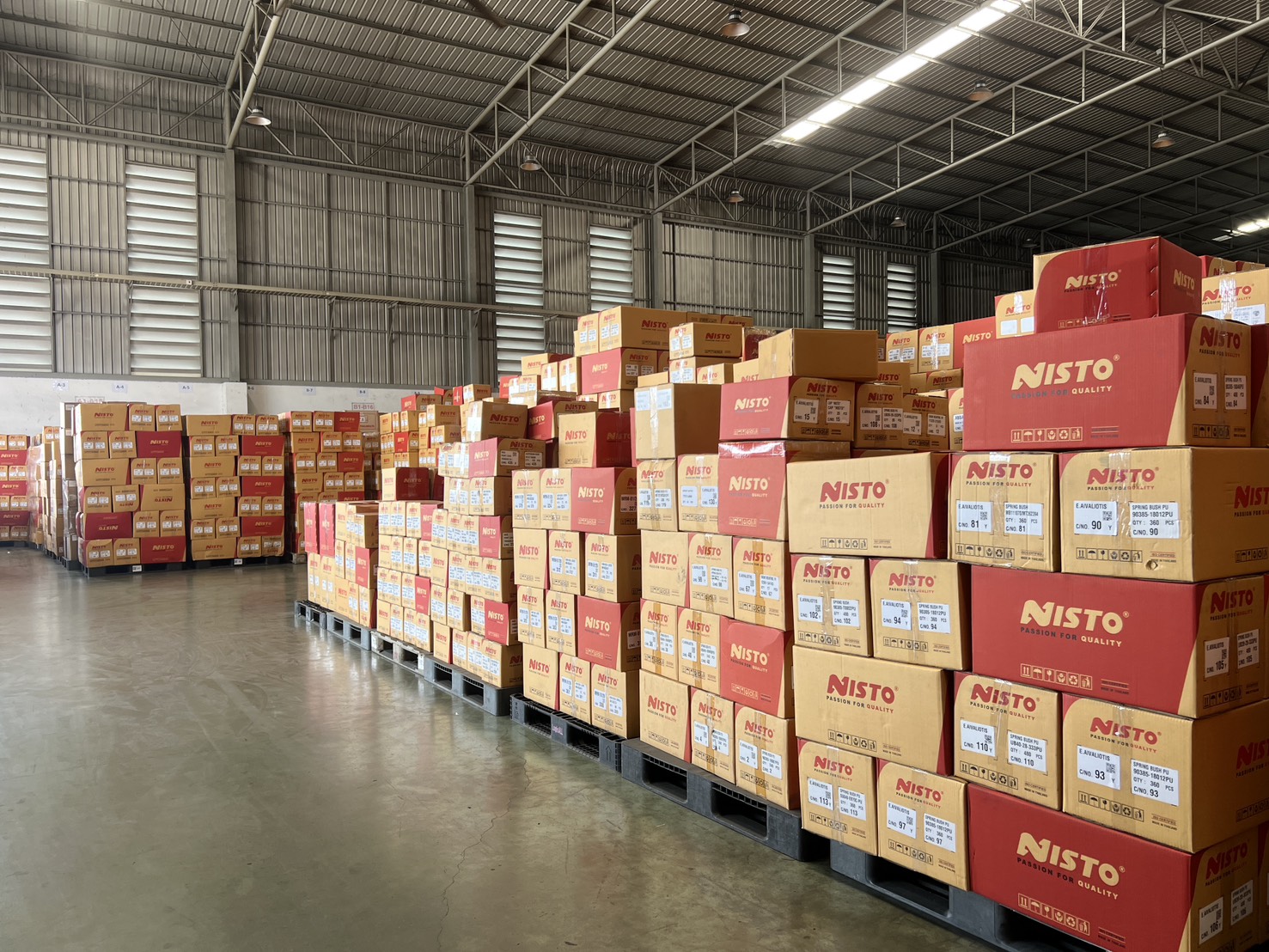 Ready Stock
For global importers, commercial distributors, and fleet purchasing managers, the hidden cost of automotive rubber parts lies in fitment deviations and early field returns. Our manufacturing infrastructure is structured to eliminate both risks from the ground up.
From initial raw polymer blending (EPDM, CR, NBR, NR, and Silicone) to finished part demolding, all processing is contained within our Thailand manufacturing plant. We hold dimensional tolerances, shore hardness, and dynamic bonding consistency without relying on sub-contractors.
Engineered to exact OEM reference data across Japanese, American, European, and Korean marques—including Toyota, Honda, Nissan, Mitsubishi, Isuzu, Ford, GM/Chevrolet, Hyundai, and Chrysler. Cross-referenced down to exact OE codes.
Large-scale warehouse reserves enable rapid container consolidation. Every component in our catalog is systematically cataloged with technical photography, dimensional blueprints, and OE fitment verification to streamline purchase orders.
Direct technical answers for commercial parts buyers, distribution category managers, and supply chain directors sourcing universal CV boots and rubber-to-metal assemblies.
We supply Premium Chloroprene Rubber (Neoprene / CR), NBR-fortified blends, and advanced Thermoplastic Elastomer (TPE) compounds. CR provides high stretchability ideal for universal slide-over installation cones, while TPE offers maximum abrasion and chemical resistance for extreme-duty applications.
Yes. Our universal stretchable CR boots feature high elongation-at-break metrics (>450%), allowing them to expand over conventional installation cones or expander pneumatic air tools without tearing or losing elastic memory once seated over the housing.
For custom OEM designs requiring proprietary dimensions, mold tooling typically requires 20 to 30 calendar days. First article inspection (FAI) samples with full CMM dimensional reports and Shore A durometer verification are provided prior to mass run vulcanization.
Yes. We offer fully customized retail and workshop packaging kits comprising the universal boot, two 304-grade stainless steel stepless ear clamps (or low-profile drive bands), and pre-measured 80g-120g sachets of MoS2 high-pressure lithium grease.
All compounds undergo standardized laboratory testing: ASTM D1149 ozone chamber resistance tests, ASTM D412 tensile strength analysis, and accelerated oil-immersion heat aging (ASTM D471) to ensure zero premature cracking in sub-zero or equatorial climates.
For items available in ready warehouse stock, flexible MOQ tiers apply. Custom molded OEM polymer runs or custom branded packaging generally require 500 to 1,000 units per line. We support FOB Bangkok, CIF, and full container load (FCL) consolidation.
Connect directly with our engineering sales division in Thailand. Submit your target OE numbers, 2D/3D part drawings, or annual supply requirements for immediate evaluation.
Inquire Now