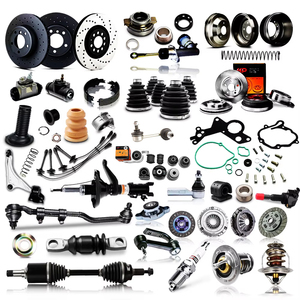

Manufactured under strict ISO/TS compliance with high-grade virgin NR/EPDM formulations, seamless bearing races, and electro-coating protection.
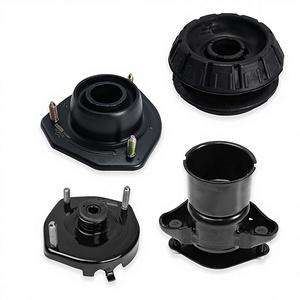
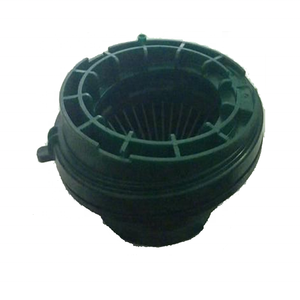
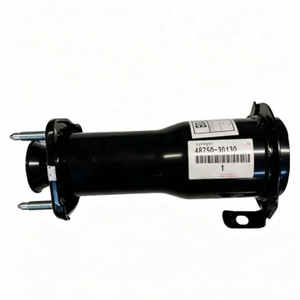
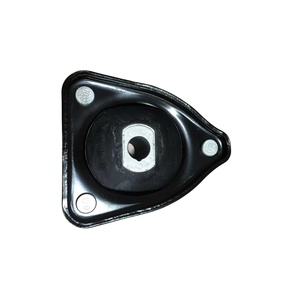
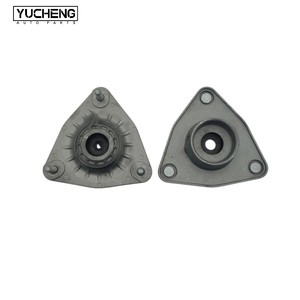
Analyzing structural kinematics, advanced chemlok bonding, and synthetic elastomeric response in safety-critical top mounts.
Modern strut mounts must isolate high-frequency road vibrations (50–300 Hz) while maintaining high static radial stiffness to prevent camber/caster geometry deflection during high-G cornering. Balancing these opposing constraints demands finite element optimized rubber voids and multi-durometer elastomer zones.
Top mounts engineered for MacPherson struts must accommodate dynamic vehicle weight transfers while allowing ultra-smooth, low-hysteresis steering rotation. Incorporating sealed deep-groove ball bearings with PA66 glass-filled polymer races prevents salt slurry intrusion and eliminates binding under full suspension travel.
Delamination at the rubber-metal interface is the primary cause of sudden strut mount failure. By utilizing zinc-nickel alloy phosphatizing and high-shear automated Chemlok adhesive dipping lines, the resulting bond strength exceeds 12 MPa peel resistance, far surpassing minimum OEM specifications.
The aftermarket suspension supply chain is transforming under the pressure of vehicle electrification, platform consolidation, and nearshoring logistics.
Battery electric vehicles (BEVs) exhibit curb weights 25% to 35% heavier than ICE counterparts, alongside instant low-end torque. Sourcing teams are shifting RFQs toward ultra-dense EPDM and polyurethane hybrid formulations designed to withstand accelerated creep deformation and prevent premature sagging under higher unsprung mass.
Distributors in Western Europe and North America increasingly demand full replacement kits (Mount + Bearing + Dust Boot + Bump Stop) packaged under a single SKU. Sourcing pre-assembled top mounts saves garage labor time, decreases warranty returns by 68%, and unlocks higher average order value for wholesale exporters.
With ongoing tariff uncertainties and freight bottlenecks, Tier-1 and regional importers are de-risking dependencies by leveraging direct manufacturing hubs in Southeast Asia (such as Thailand). In-house tooling capability, direct access to premium natural rubber feedstocks, and tariff advantages make Southeast Asian facilities the premier choice.
| Parameter | Conventional Aftermarket Mount | NISTO Heavy-Duty Commercial / EV Grade | Verification Standard |
|---|---|---|---|
| Elastomeric Base | Recycled/Reclaimed Rubber Mix | 100% Virgin Natural Rubber (NR) / EPDM Blend | ASTM D2000 Line Callout |
| Hardness (Shore A) | 55 - 65 ± 5 (High variability) | 60 - 65 ± 2.5 (Batch-monitored rheology) | DIN 53505 / ISO 7619-1 |
| Bonding Shear Adhesion | < 6.5 MPa (Prone to shearing) | ≥ 12.0 MPa (Failure occurs in rubber bulk) | ASTM D429 Method B (90° Peel) |
| Fatigue Endurance Life | 300,000 Cycles under 3.5 kN | 1,200,000 Cycles under 6.0 kN Multi-Axis | MTS Dynamic Servo-Hydraulic Rig |
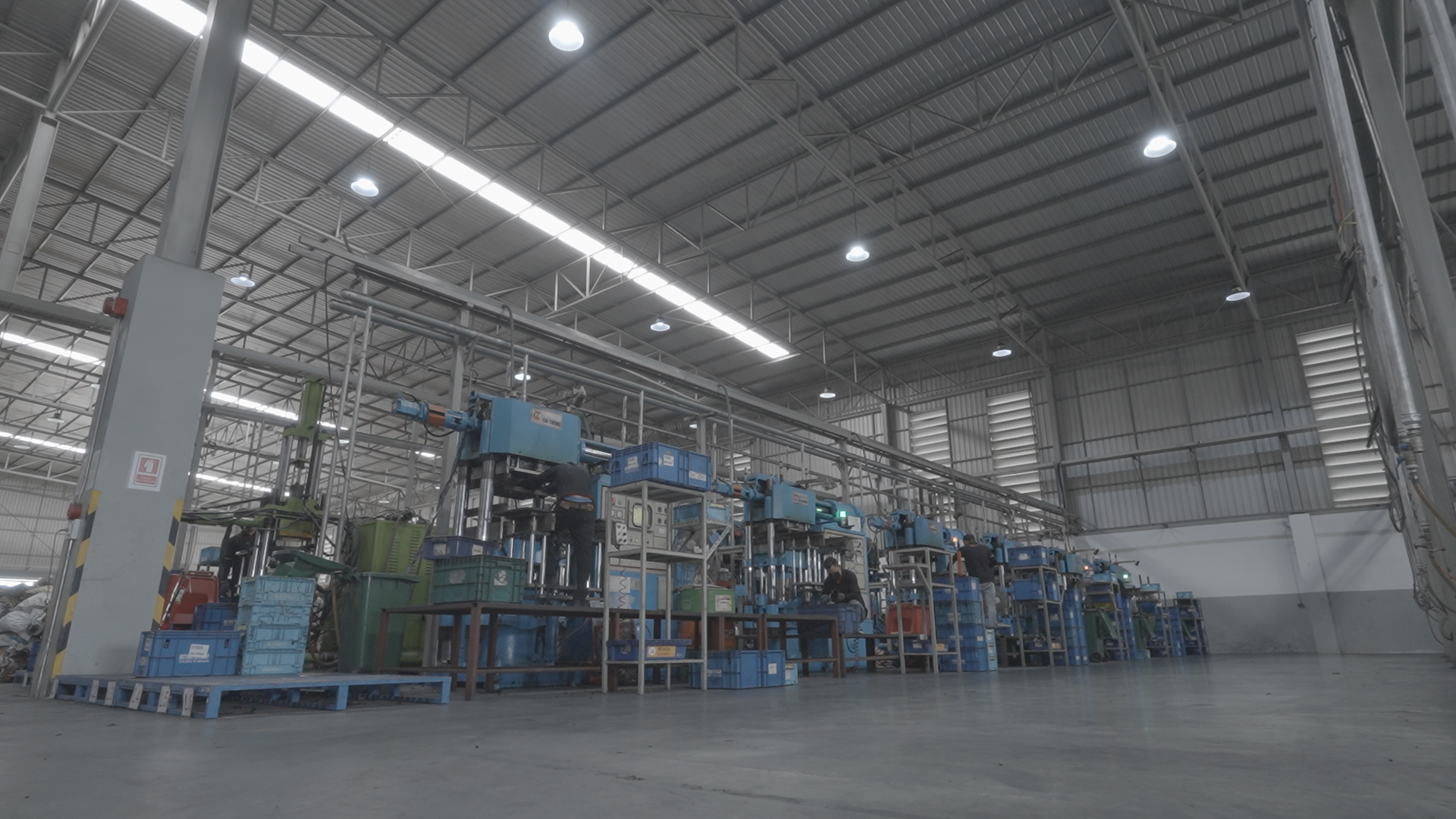
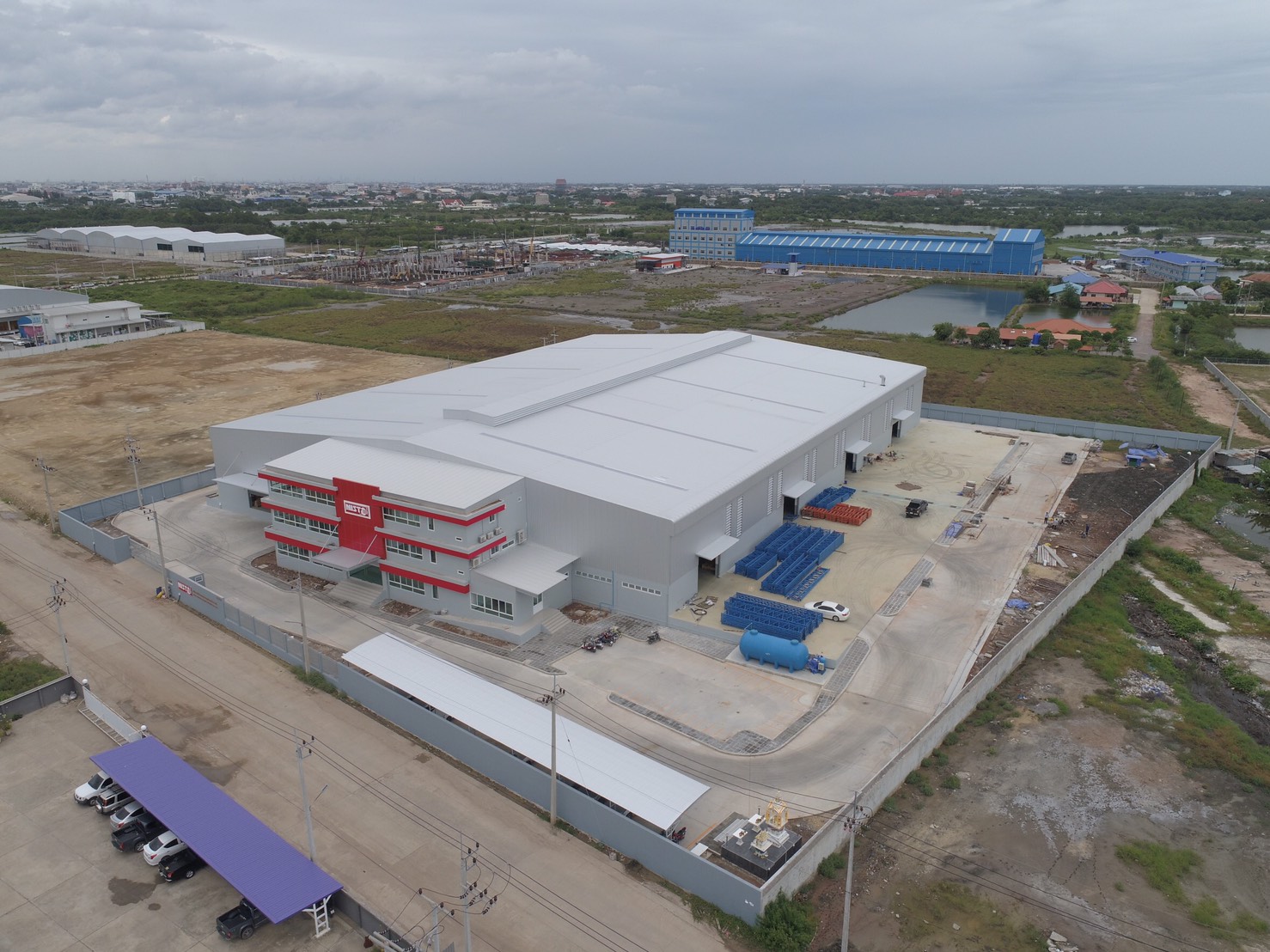
Founded and anchored on precision molding lines in Thailand, NISTO RUBBER eliminates intermediary markup and variance by integrating raw polymer compounding, progressive metal stamping, Chemlok adhesive processing, and injection vulcanization under one roof.
Direct insights covering quality benchmarks, ordering parameters, and fitment validation for professional procurement officers.
Every strut mount developed in our facility begins with CMM coordinate scanning of OEM baseline units to replicate exact bolt pitch, spring seat indexing, and angle offsets. Our rubber compounding lab measures original durometer and damping hysteresis curves using rheometer analysis, ensuring the replacement restores genuine ride absorption without inducing harsh steering stiffness or chassis rattle.
Inferior mounts manufactured with high-calcium fillers or recycled crumb rubber undergo premature plastic deformation (permanent sagging). This results in altered steering geometry (causing uneven tire wear), memory steer, loud metallic clunking over expansion joints, and potential shearing of the strut rod entirely through the upper hood apron under severe bump impact.
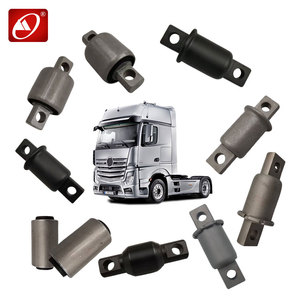
Yes. With an active production footprint covering 60 distinct categories (including control arm bushings, stabilizer links, engine mounts, and drive shaft center bearings), international distributors can maximize container cube utilization (CBM) by mixing multiple suspension and anti-vibration lines on a single bill of lading (FCL or LCL).
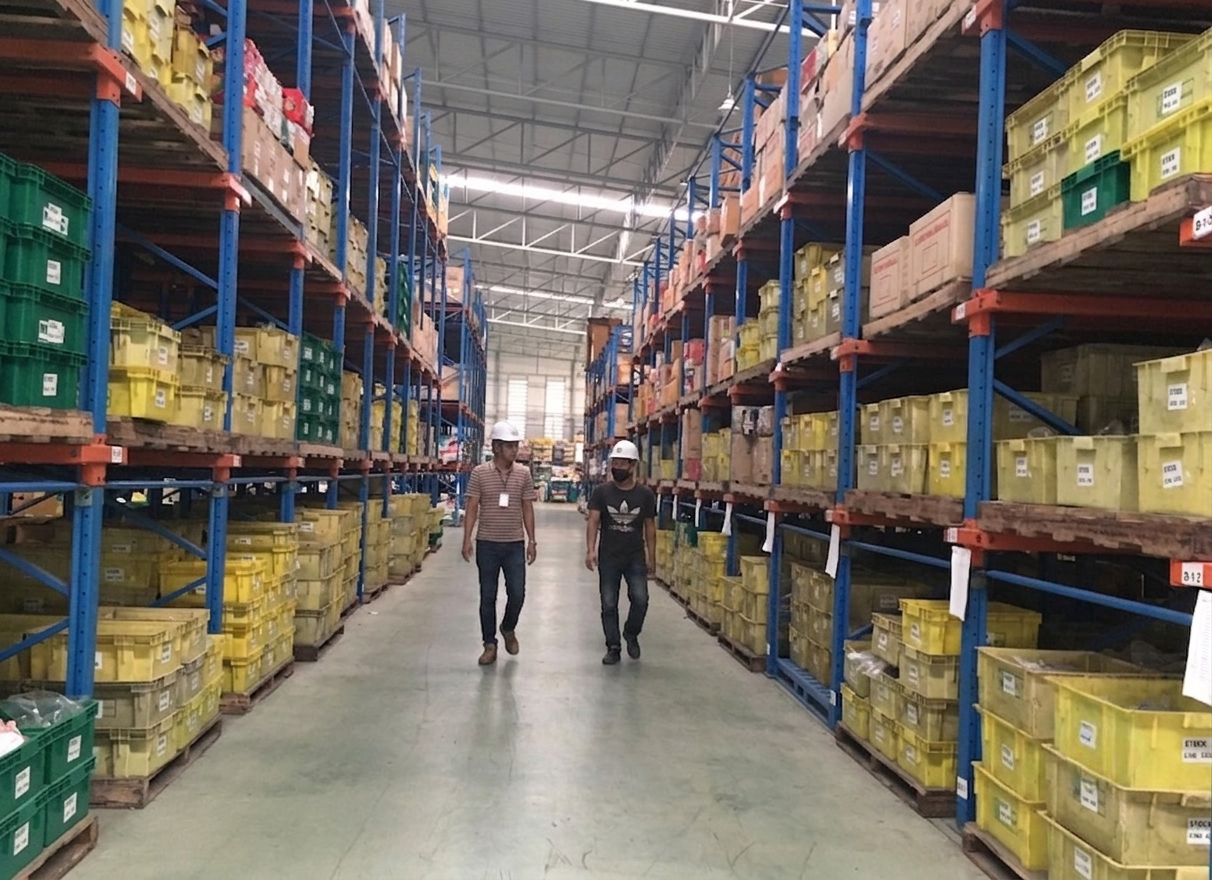
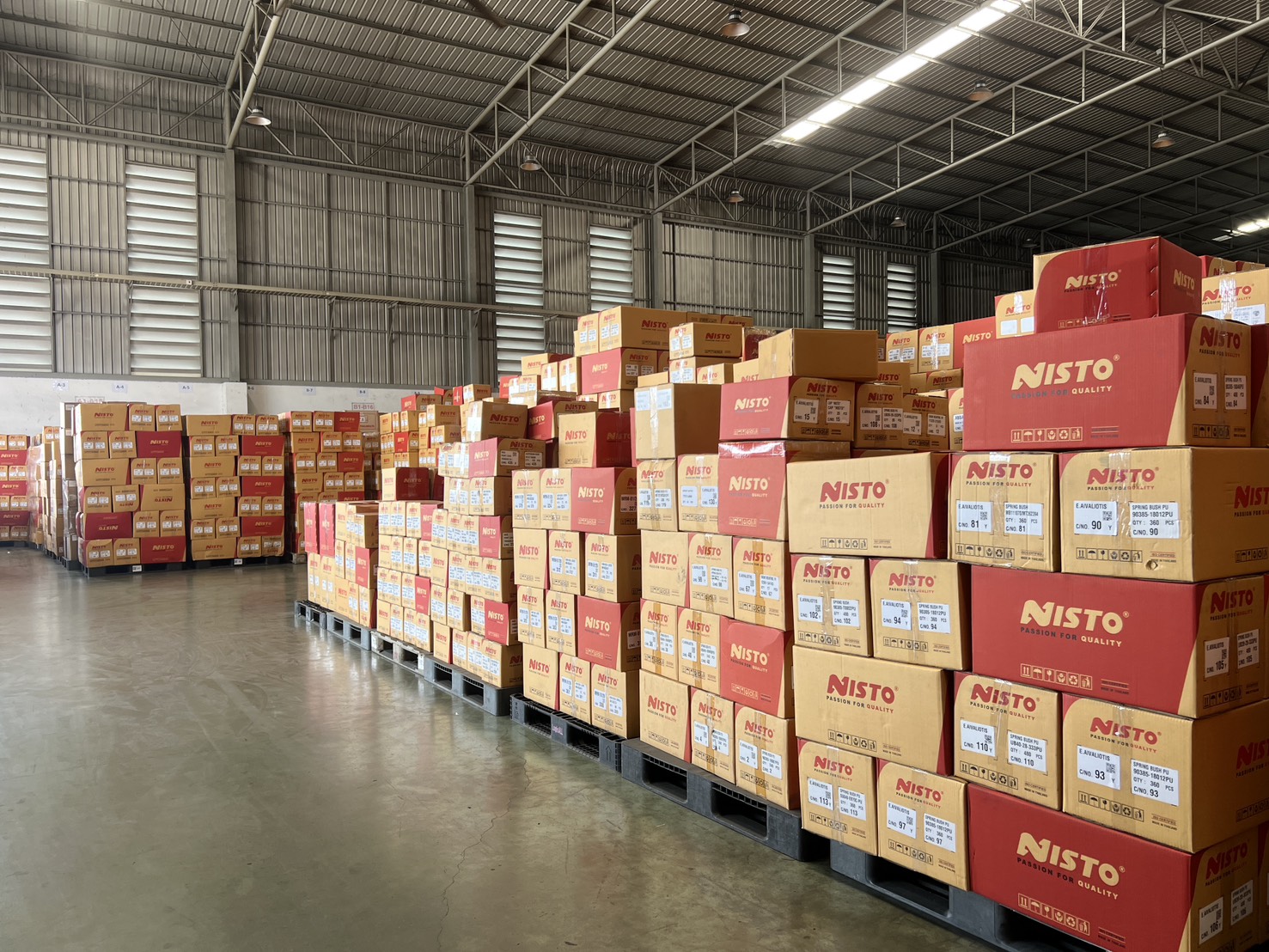
For items available in ready warehouse stock, dispatch is arranged within 7 to 14 days. For customized production runs or private-label packaging, production cycles average 35 to 45 days. Rapid tooling and pre-shipment dimensional samples are available upon provision of OEM reference numbers or physical samples.
Partner with an authentic manufacturer backed by in-house molding, rigorous ISO-grade metallurgical standards, and dependable global logistics. Submit your OE bill of materials for immediate quotation.
Inquire Now