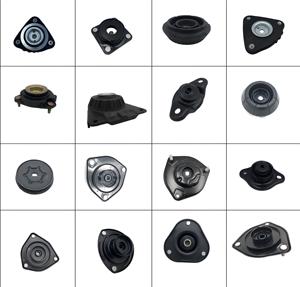
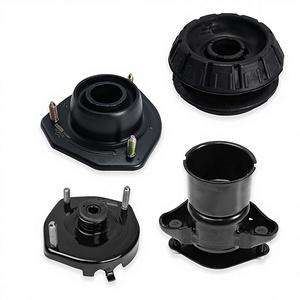
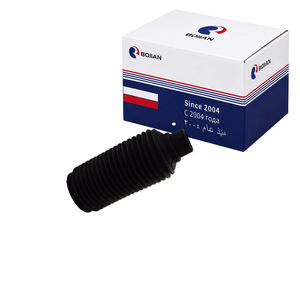
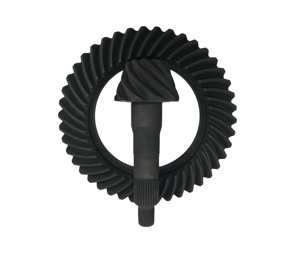
Engineered to mitigate low-frequency drivetrain shake, isolate high-frequency acoustic resonance, and deliver OEM structural tolerances across commercial and passenger applications.
Direct oversight over compounding, surface chemlok bonding, and high-pressure vulcanization separates commercial-grade exporters from secondary assemblers.
Direct Compounding Control
Formulating customized Natural Rubber (NR), EPDM, and Nitrile compounds with precise Shore A durometer matching (45 to 75 Shore A), delivering high tensile strength (≥18 MPa) and resistance to oil degradation, thermal cycling, and ozone exposure.
Advanced fluid-filled chambers engineered with micro-metered transfer orifices and tuned glycol-water mixtures to deliver frequency-selective damping—neutralizing engine idle shake without compromising high-frequency acoustic isolation.
Comprehensive Strategic Procurement Report: Engine Mount Ecosystem
Automotive engine mount systems represent critical safety and NVH (Noise, Vibration, and Harshness) interfaces between the high-displacement combustion or hybrid powertrain assembly and the unibody chassis. For international procurement managers, fleet operators, and global tier-distributors, sourcing automotive rubber-to-metal components from premier China manufacturing hubs requires navigating raw material dynamics, tooling lifecycles, and rapid structural migrations toward electrified architectures.
Global Procurement Trends & Sourcing Transition
Sourcing strategies across Europe, North America, and Southeast Asia are shifting away from fragmented trading operations toward verified primary manufacturers possessing dedicated toolrooms and in-house compounding capacities. Procurement directors prioritize three fundamental operational shifts:
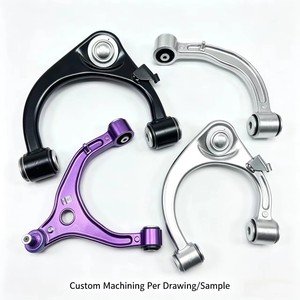
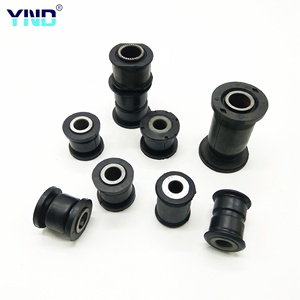
Consolidation of Full-Chassis Programs: Purchasing teams demand tier-1 coverage across powertrain mountings, control arm bushings, strut assemblies, and driveline center support bearings to streamline customs clearing and container loading efficiencies.
Accelerated OE Cross-Reference Speed: Utilizing digital CAD repositories and accurate OE interchange databases to deploy newly released SKU molds within 45 to 60 days of market introduction.
Raw Material Traceability & Environmental Compliance: Verification of RoHS, REACH, and non-aromatic plasticizer compliance in vulcanized elastomer profiles to avoid international customs impounds and hazardous substance infractions.
Technological Evolution: From Passive Rubber to Active Decoupling
The internal combustion landscape historically relied upon solid molded natural rubber mounts. However, contemporary turbocharged downsized engines (such as three-cylinder variants) produce aggressive roll-axis oscillating forces. To mitigate these dynamic loads, hydraulic mounts containing decoupled inertia tracks have become the standard across mid-tier vehicle segments.
Furthermore, the rapid rise of Battery Electric Vehicles (BEVs) and Plug-in Hybrid Platforms (PHEVs) presents altered acoustic challenges. Without high-frequency engine combustion noise to mask chassis feedback, electric powertrain mounts must suppress instant electric motor torque spikes (instant 300+ Nm shock loads) while isolating 1.5 kHz to 4 kHz sub-audible electromagnetic motor whine. Premier manufacturers now employ dual-rate vacuum-actuated and high-damping synthetic elastomeric matrices designed specifically to counter immediate electric motor loading profiles.
Knowledge Base
Frequently Asked Procurement Inquiries (FAQ)
Essential operational and technical clarifications addressing procurement protocols, quality standards, and logistics workflows.
What elastomer compounding formulation is utilized to prevent premature fatigue failure?
Our manufacturing utilizes virgin natural rubber (Grade RSS1/STR20) combined with dynamic antiozonants, carbon black reinforcement, and tailored sulfur cure packages. We strictly avoid recycled scrap elastomers, ensuring continuous tensile resilience, minimal permanent compression set (≤18% after 70 hrs at 100°C), and extended fatigue lifespans exceeding 300,000 dynamic cycles under operational powertrain amplitude.
How is structural rubber-to-metal bonding integrity verified prior to export shipment?
Metal sleeves and stamping brackets undergo automated shot-blasting, solvent degreasing, and thermal adhesive primer application using authorized Chemlok bonding polymers. Destructive radial and axial push-out tests are executed on random batch samples per ASTM D429 standards, mandating 100% rubber cohesive failure (tearing of the elastomer itself) rather than adhesive bond detachment.
Can your engineering facility develop custom engine mountings and bushings via samples or CAD models?
Yes. Our in-house tooling facility utilizes CNC machining centers, EDM wire cutting, and 3D coordinate measuring machines (CMM). We produce validation prototypes and tooling matrices directly from STEP/IGES CAD files or physical client samples within 25 to 35 business days, followed by comprehensive shore durometer, static-to-dynamic stiffness ratio, and dimensional PPAP documentation.
What are the standard Minimum Order Quantities (MOQ) and container lead times for global importers?
For standard catalog items carrying active ready molds, typical production MOQ starts at 100 to 300 units per line item. For high-volume consolidated ocean freight (20GP / 40HQ full container loads comprising diverse product mixes across engine mounts, control arm bushings, and strut mounts), order production cycles are systematically scheduled within 30 to 45 calendar days.
Connect Directly With Powertrain Specialists
Accelerate your automotive parts procurement pipeline. Submit your required OE part numbers, annual consumption estimates, or custom CAD blueprints for direct industrial pricing and technical fitment audits.