Explore our precision-molded subframe mounts, differential damping brackets, center support bearings, and high-performance suspension links manufactured under strict IATF 16949 standards.
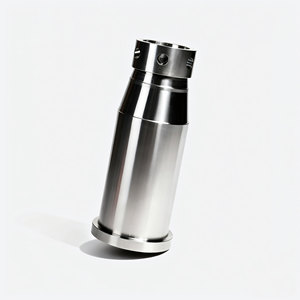
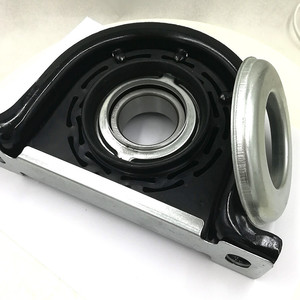
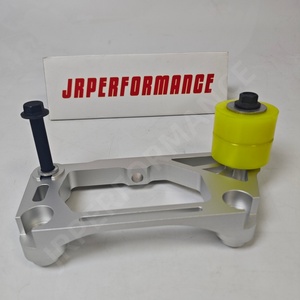
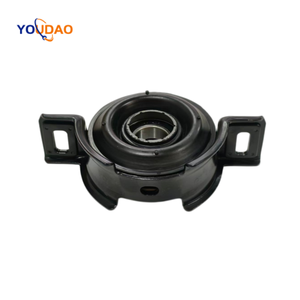
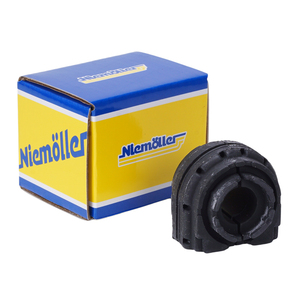
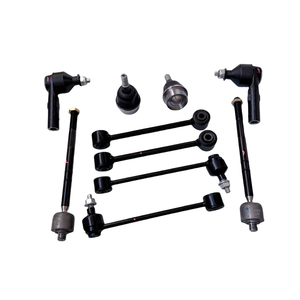
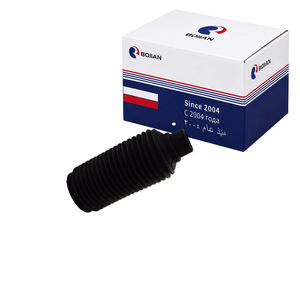
Subframe mounts are the structural backbone connecting the powertrain, steering, and suspension assemblies to the vehicle chassis. Our facilities eliminate compromise by standardizing end-to-end quality control.
We formulate tailored Natural Rubber (NR), EPDM, and polyurethane compounds in-house. Shore A hardness is held to strict ±3 durometer tolerances, preventing premature sagging, micro-cracking, and loss of NVH damping across severe thermal ranges (-40°C to +120°C).
Structural delamination is the primary mode of aftermarket mount failure. Our multi-stage grit-blasting, phosphate degreasing, and automated Chemlok adhesive bonding system guarantees rubber-to-metal shear peel strength exceeding 12.0 MPa under extreme dynamic torture tests.
Every cold-rolled steel and aluminum core sleeve is machined with precision CNC turning and inspected using 3D Coordinate Measuring Machines. This guarantees exact press-fit outer diameters and center sleeve bores, preventing play, misalignment, or uneven tire wear.
Understand how different internal damping architectures dictate vehicle handling, harmonic filtering, and long-term chassis durability for global fleet procurement.
| Mount Technology | Core Composition | Dynamic Stiffness Ratio (Kd/Ks) | NVH Isolation Capability | Target Automotive Application |
|---|---|---|---|---|
| Hydraulic Subframe Bushings (Hydro-Mounts) | Natural Rubber + Glycol Fluid Chamber + Inertia Track | 1.3 – 1.6 (Frequency Tunable) | Superior (Filters 5–15 Hz engine heave & road rumble) | Luxury Sedans, Premium SUVs, Long-wheelbase Electric Vehicles |
| Solid Natural Rubber-to-Steel Bushings | High-Tensile NR Compound + Phosphate Coated Steel Sleeve | 1.8 – 2.2 (Linear Response) | Balanced (Rugged durability across rough terrains) | Commercial Fleets, Light Trucks, Pickup Platforms, OE Replacement |
| Dual-Durometer Voided Bushings | Multi-hardness EPDM/NR with radial tuning cutouts | 1.4 – 1.9 (Directional Bias) | High (Soft longitudinal damping, stiff lateral handling) | Front-Wheel Drive Transverse Subframes, Multi-link Rear Axles |
| Reinforced Aluminum Billet Solid Mounts | 6061-T6 Aircraft Grade Billet Aluminum | > 5.0 (Near-Zero Compliance) | Low (Maximizes chassis stiffness and torque transfer) | Motorsport, Track Performance, Heavy-Duty Drift & Drag Platforms |
The automotive chassis ecosystem is undergoing rapid disruption driven by electric powertrains, stringent carbon neutrality targets, and smart supply chain integration.
Electric vehicles weigh 20% to 35% more than their internal combustion predecessors due to high-voltage battery enclosures, while delivering instantaneous peak torque. Tier-1 buyers are demanding subframe mounts with radial tear resistance up to 35 kN, requiring advanced low-damping rubber blends capable of mitigating high-frequency motor whine without compromising cornering stiffness.
Chassis weight reduction has driven the shift from stamped steel brackets to thin-walled die-cast aluminum subframe carriers. As a leading manufacturing exporter, our lines incorporate automated anodic passivations and zinc-nickel electrolytic barriers to prevent galvanic corrosion between dissimilar metals under aggressive road salt exposure.
Magnetorheological (MR) fluids and piezoceramic sensors are transitioning from supercar chassis into executive platforms. China's manufacturing supply chains are heavily investing in co-molded sensor housings, preparing next-generation subframes to communicate chassis vibration metrics directly to vehicle predictive maintenance ECUs.
European and North American regulatory frameworks mandate recycled materials in OE sub-tier components. We are actively incorporating bio-based vulcanizing accelerants, devulcanized reclaimed rubber from end-of-life tires, and low-VOC bonding systems to reduce upstream carbon footprints without sacrificing ASTM D412 tensile strength.
With over 9,485 active automotive rubber and chassis part numbers and export coverage spanning 31 vehicle makes across Europe, the Americas, and the Asia-Pacific region, we bridge competitive OEM manufacturing with Western commercial reliability.
Our Quality Assurance Center is equipped with dynamic multi-axis fatigue testing rigs running continuous 500,000-cycle durability simulations, Rheometer vulcanization analysis, Shore durometer profiling, and 1,000-hour ASTM B117 salt spray chambers to ensure zero field failures.
Provide our engineering division with an OEM part number, 3D CAD drawing, or physical chassis sample, and our rapid-tooling workshop can develop high-precision injection molds, produce PPAP Level 3 documentation, and furnish pre-production test samples in as little as 25 business days.
We eliminate purchasing confusion by maintaining digital mapping across OEM numbers, TecDoc references, and aftermarket competitors. Every shipping carton features clear OEM cross-references, laser-etched batch identifiers, and custom white-label packaging for retail distribution networks.
Authoritative technical answers to common queries regarding subframe mount procurement, specifications, lead times, and customs compliance.
Connect with our senior chassis engineering and export team. Send your OEM part numbers, technical drawings, or container volume inquiries to receive comprehensive technical quotes and test reports within 24 hours.