
Direct-fit replacement parts and custom silicone CV joint boots engineered to OEM specs
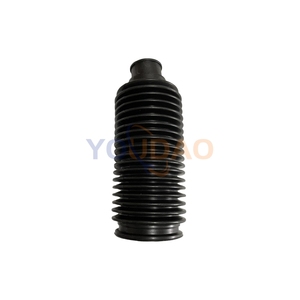
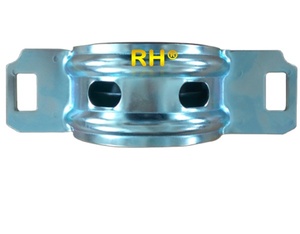
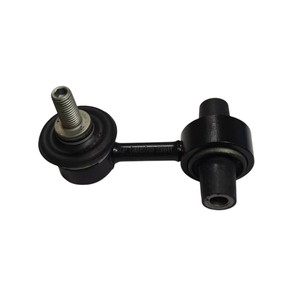
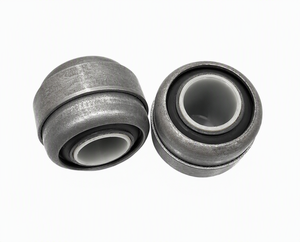
In modern automotive driveline engineering, Constant Velocity (CV) boots act as the vital protective seal for universal joints, maintaining grease retention while keeping out moisture, dirt, and road debris. Historically, standard Neoprene (CR) and Nitrile Butadiene Rubber (NBR) dominated aftermarket replacements. However, high-torque drivetrain architectures, elevated underbody operating temperatures, and demanding duty cycles have exposed the physical limits of organic rubbers.
Leading tier-1 suppliers and specialized OEM manufacturers have turned to High-Consistency Silicone Rubber (HCR) and Liquid Silicone Rubber (LSR) to address these engineering hurdles. Silicone's molecular backbone—composed of alternating silicon and oxygen atoms (Si-O-Si)—delivers significantly higher bond energy (452 kJ/mol) compared to the carbon-carbon (C-C) backbones of traditional rubbers (347 kJ/mol). This atomic structure grants silicone CV boots exceptional resistance to thermal degradation, ozone cracking, and aggressive synthetic greases.
| Material Metric | High-Grade Silicone (VMQ/LSR) | Neoprene Rubber (CR) | Thermoplastic Elastomer (TPE/TPO) |
|---|---|---|---|
| Operating Temperature Range | -50°C to +180°C | -40°C to +100°C | -40°C to +120°C |
| Dynamic Flex Fatigue Resistance | Ultra-High (> 1,500,000 cycles) | Moderate (300,000 cycles) | High (800,000 cycles) |
| Ozone & UV Aging Resistance | Exceptional (Immune to oxidation) | Fair (Prone to surface micro-cracks) | Good |
| Lithium Grease Chemical Compatibility | Superior (Low swell < 3%) | Moderate (Swell 8-15%) | Good (Swell 5-10%) |
For procurement directors and automotive spare part importers, sourcing silicone CV boots directly from specialized manufacturers eliminates early field returns caused by flex degradation at sharp articulation angles. Silicone maintains its elasticity even during harsh winter operation (-50°C), preventing boot splitting during full-lock steering maneuvers.
Top-tier silicone CV boot factories implement advanced polymer science and automated molding technology to achieve zero-defect manufacturing. Understanding these key technical features empowers sourcing managers to properly evaluate factory capabilities during audits.
Closed-loop LIM processes maintain uniform wall thickness across multi-convolution geometry, eliminating stress concentration points and structural air voids.
Precision-designed wall profiles reduce internal friction during extreme angular deflections (up to 45 degrees), drastically extending service life under load.
Co-extruded or dual-layer fluorosilicone coatings enhance resistance against aggressive synthetic molybdenum disulfate greases at elevated temperatures.
Automated liquid nitrogen flash removal ensures clean sealing edges, preventing micro-gaps at the small and large clamp clamping surfaces.
Molded-in retention ribs provide precise seating for stainless steel ear clamps, maintaining constant sealing torque despite thermal expansion cycles.
The global automotive aftermarket is undergoing structural shifts driven by electric vehicle (EV) adoption, light-truck platform dominance, and heightened durability demands. Buyers searching for trusted silicone CV boot manufacturers must align with market developments:
Electric motors generate instant maximum torque from 0 RPM, putting unprecedented stress on constant velocity joints and boots. EV driveline components experience rapid torsional acceleration and increased heat generation. Silicone boots are fast becoming the standard for EV drive axles due to their ability to survive rapid angular shifts and thermal spikes without fatiguing.
Distribution networks are increasingly favoring multi-fit silicone stretch boots that can expand over the CV joint spider without requiring complete axle disassembly. Premium silicone compounds allow up to 500% stretch expansion using pneumatic installation tools, drastically reducing workshop labor time and catalog inventory overhead.
International environmental regulations (including EU REACH and RoHS directives) strictly limit volatile organic compounds (VOCs) and polycyclic aromatic hydrocarbons (PAHs) in rubber products. Leading Asian manufacturing centers, such as Thailand-based polymer factories, lead the market by switching to platinum-cured silicone formulations that eliminate harmful peroxide residue.
With over 9,485 active part numbers covering 31 major global automotive makes, NISTO RUBBER MANUFACTURING CO., LTD. operates as a premiere integrated manufacturing plant in Thailand. Direct control over the polymer process—from raw rubber compounding to final automated molding—ensures complete batch consistency and total adherence to OEM dimensional tolerances.
Molded entirely in-house in Thailand under strict ISO/IATF quality management protocols, preventing cross-contamination and bond failures.
Database indexed against original equipment part numbers for Japanese (Toyota, Nissan, Honda, Mitsubishi), American, and European applications.
In-house testing equipment measuring tensile strength, elongation at break, durometer hardness (Shore A), and hot-oil aging performance.
Common technical and procurement inquiries regarding silicone CV boot manufacturing, factory qualifications, and order fulfillment.
Connect directly with our engineering and export team in Thailand for OEM catalog matching, custom mold designs, and volume price quotations.