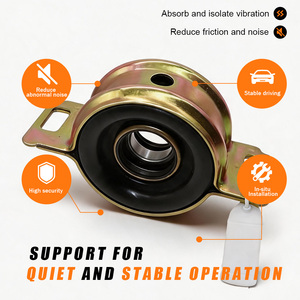

Explore our heavy-duty elastomer and vulcanized suspension components, engineered to meet exact geometric, durometer, and torsional damping tolerances for Korean and international platforms.
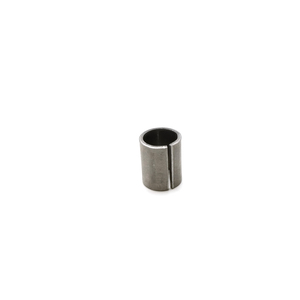
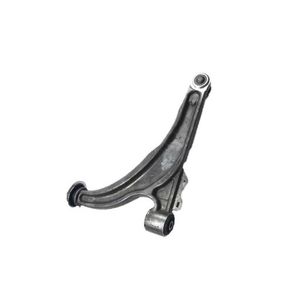
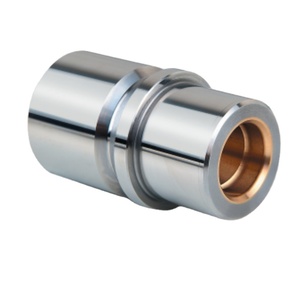
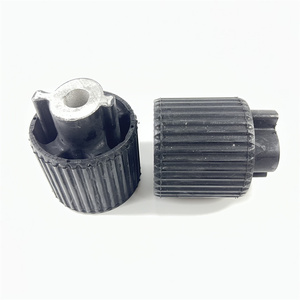
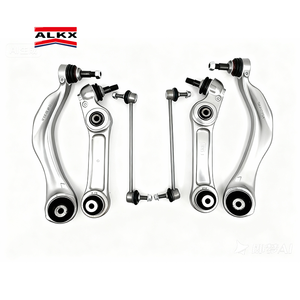
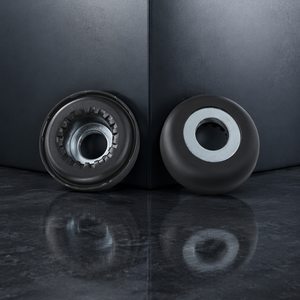
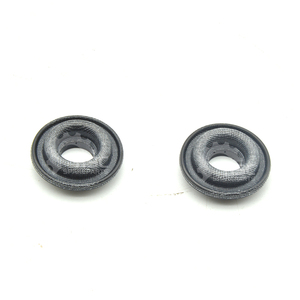
In modern multi-link and double wishbone suspension architectures, the upper arm bushing is subjected to multi-axis mechanical stress vectors. Unlike non-critical NVH (Noise, Vibration, and Harshness) dampeners, upper control arm bushings dictate dynamic camber, caster stability, and steering responsiveness under transient cornering and rapid deceleration. For Tier-1 replacement importers, wholesale distributors, and fleet managers operating within the Republic of Korea, bushing failure directly correlates with uneven tire wear, compromised wheel alignment, and accelerated degradation of interconnected suspension ball joints.
Our CE Certified upper arm bushings integrate advanced polymer formulations with precision cold-drawn steel sleeves. Through high-pressure injection molding and proprietary chemical bonding agents, our manufacturing pipeline eliminates sleeve slippage and circumferential rubber debonding—two predominant failure modes encountered in low-cost aftermarket alternatives.
Engineering Core Competency: All upper control arm bushings manufactured for export undergo rigorous finite element analysis (FEA) to calibrate static and dynamic radial stiffness ratios (Kr/Ka). This ensures precise wheel geometry retention under high g-force lateral acceleration while absorbing high-frequency road excitations before they penetrate the cabin chassis.
Natural Rubber (NR) blends utilized in our manufacturing facilities are tailored for extreme resilience against ozone cracking, salt spray corrosion, and temperature swings ranging from -40°C to +120°C. Metal outer and inner sleeves are CNC-machined from high-grade structural carbon steel, treated with hexavalent chromium-free anti-corrosion phosphate coatings or zinc-nickel plating exceeding 480 hours of ASTM B117 salt spray testing.
| Technical Parameter | Standard Specification | Testing Protocol | Operational Benefit |
|---|---|---|---|
| Rubber Base Material | Premium Natural Rubber (NR) / EPDM Blend | ASTM D2000 / ISO 4649 | Maximum elastic recovery, low permanent set |
| Durometer Hardness | 60 ± 5 Shore A (Application Specific) | ASTM D2240 | Optimized balance between ride comfort and handling stiffness |
| Bonding Shear Strength | ≥ 10.5 MPa (Rubber-to-Metal Failure) | ASTM D429 Method B | Zero delamination under heavy shock loads and torsional twists |
| Surface Protection | Electrophoretic Coating (E-Coat) / Zn-Ni | ASTM B117 (≥ 480h) | Impervious to winter road de-icing salts and maritime humidity |
| Radial Elastic Modulus | Calibrated 1.2 to 2.8 kN/mm | Dynamic Dynamic Servohydraulic Rig | Preserves camber alignment during heavy brake dive and hard turns |
Serving the automotive aftermarket and parts distribution network across South Korea requires addressing distinct geographical, climactic, and infrastructural variables. Vehicles operating across metropolitan centers like the Seoul Capital Area (Gyeonggi province, Incheon) face persistent start-stop stress, elevated curb-strike frequency, and pervasive speed humps (Gwasokbangjituk), which subject upper arm bushings to recurring vertical impact loads.
Korean urban traffic features frequent high-profile speed control bumps. Our bushings are engineered with progressive radial dampening to dissipate vertical shock spikes without bottoming out.
Korean municipal road authorities heavily deploy calcium chloride during winter snowfall. Our anti-corrosive multi-stage e-coat finishes prevent sleeve pitting and rust jacking.
Light commercial vehicles like Hyundai Porter II and Kia Bongo III handle extreme cargo overloading. Our reinforced bushings ensure long-term structural integrity under maximum payload.
Navigating Gangwon Province's winding mountain passes exerts high torsional shear on suspension control arms. Our high-grade natural rubber maintains elasticity without splitting.
The Korean automotive ecosystem is undergoing rapid structural evolution, fundamentally altering chassis component performance benchmarks. Importers and procurement directors must align their catalog offerings with these macro industry trends:
With Korea leading the adoption of Genesis Electrified, Hyundai Ioniq, and Kia EV series, high-capacity battery packs increase vehicle curb weight by 20% to 35%. Upper control arm bushings must withstand elevated continuous static mass and instantaneous electric torque without early fatigue.
The absence of internal combustion engine masking noise makes suspension cabin transmission far more noticeable to Korean drivers. Advanced hydraulic and dual-durometer elastomer bushings are rapidly replacing conventional rigid rubber units to isolate micro-vibrations.
Korean regulatory oversight and environmental standards increasingly favor RoHS and REACH-compliant elastomers that omit harmful polycyclic aromatic hydrocarbons (PAH). Our CE certified compounds comply fully with current international sustainability frameworks.
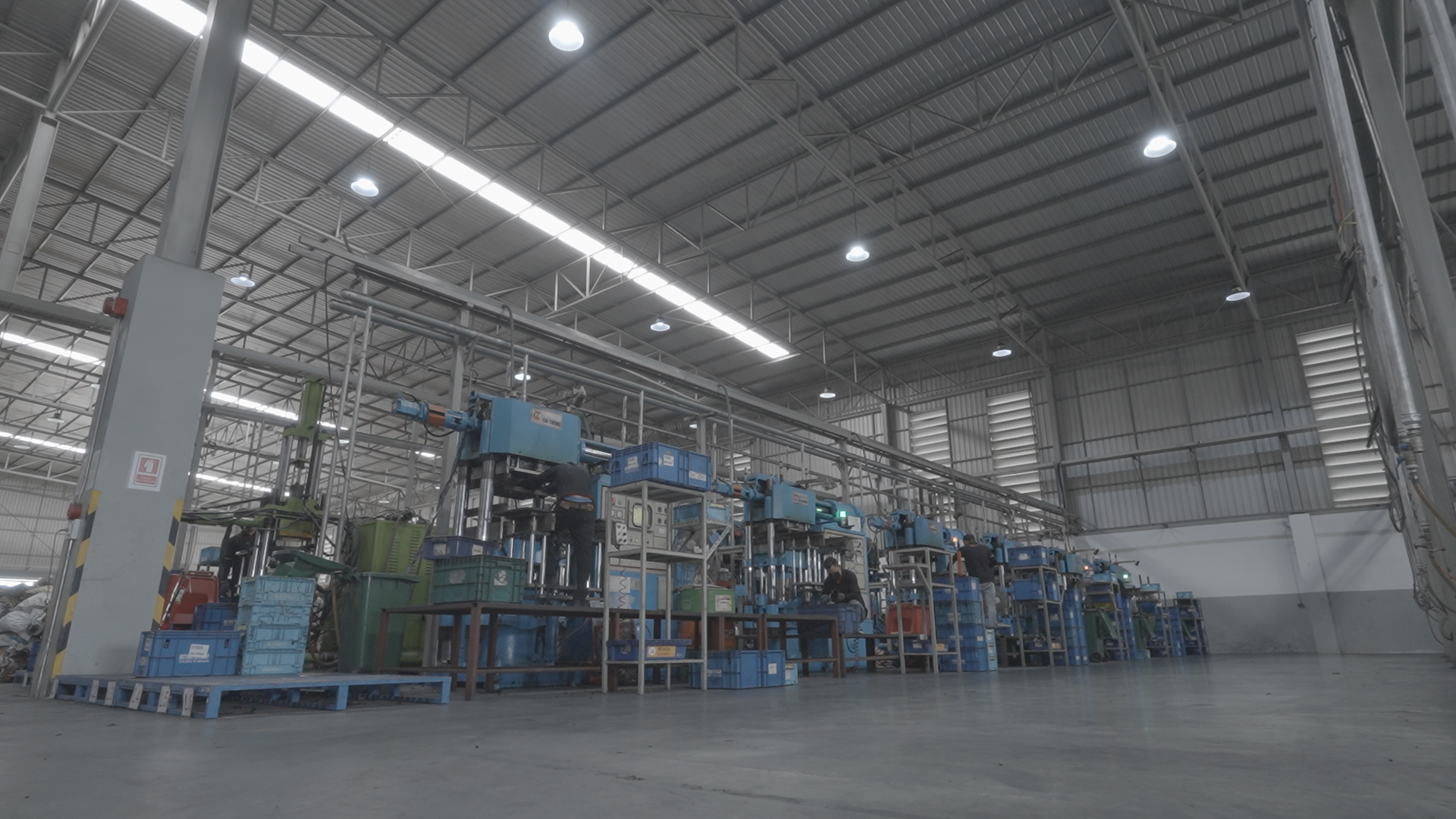
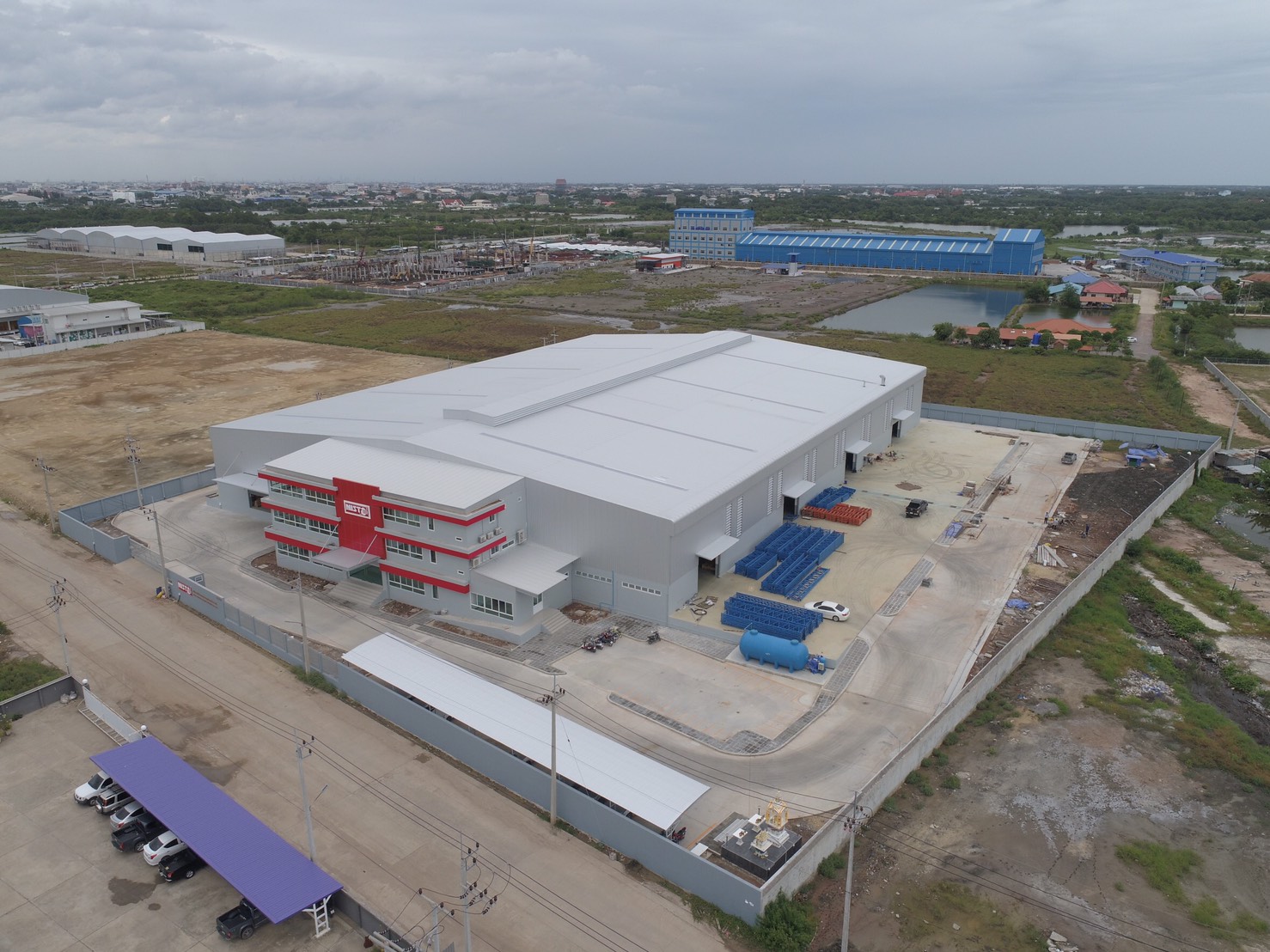
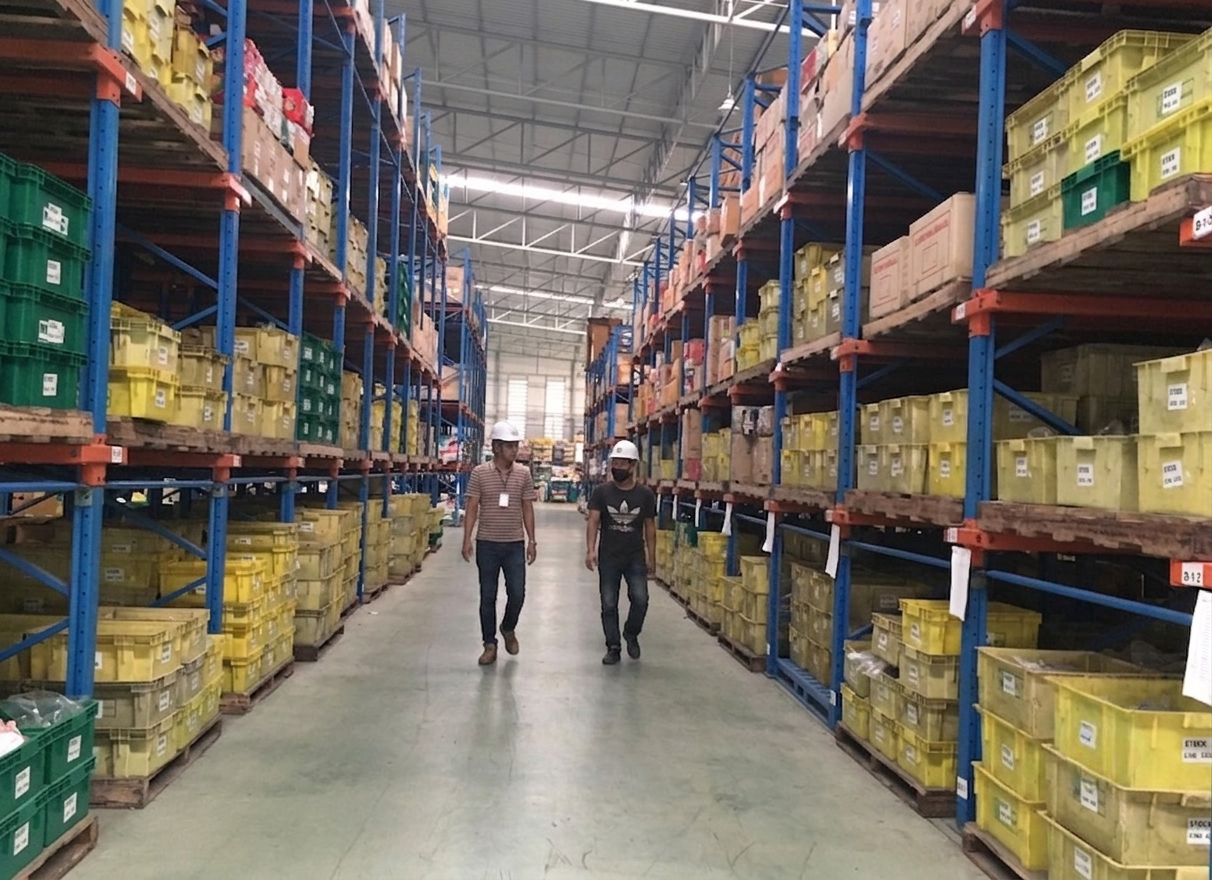
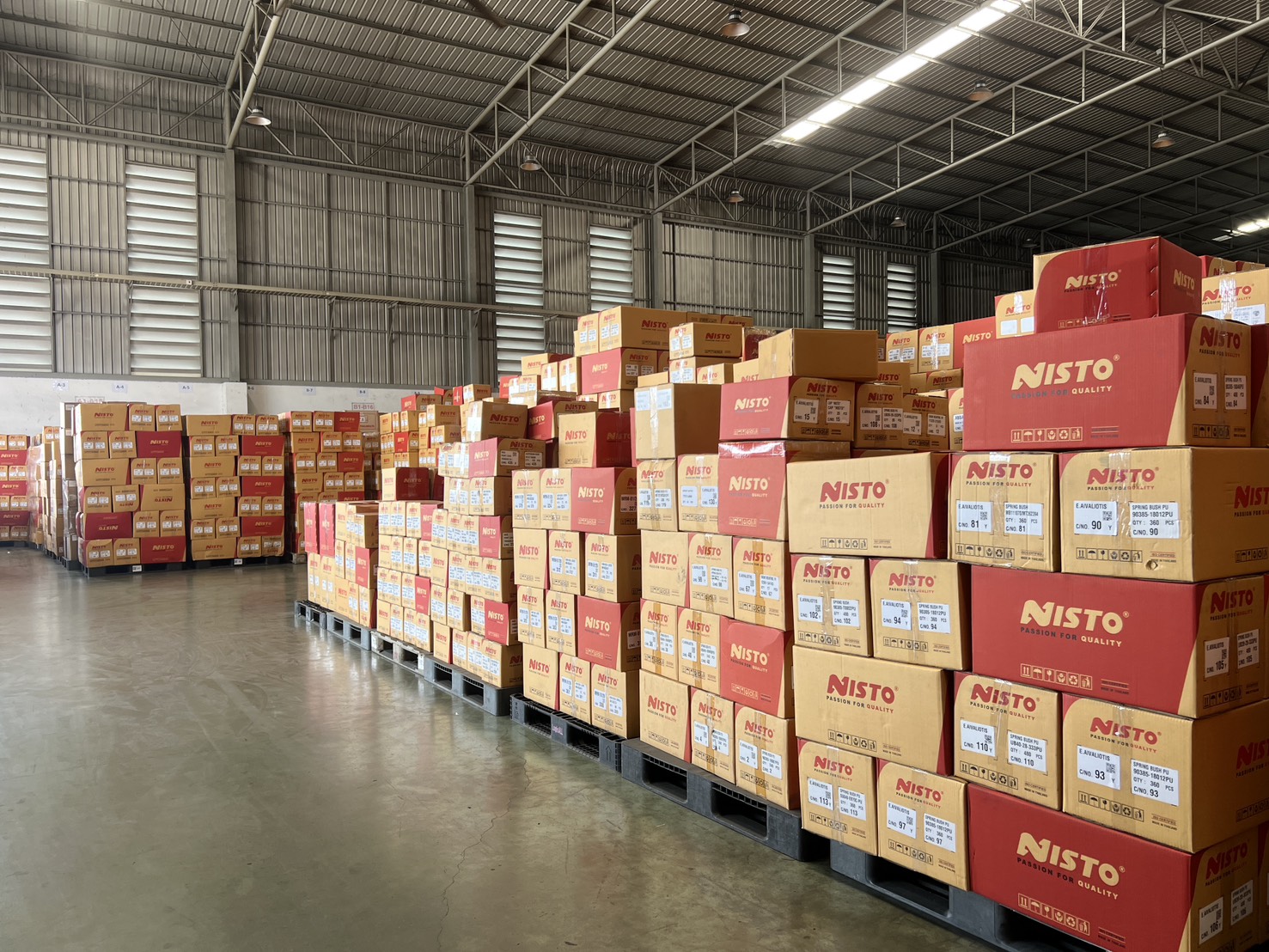
With an extensive manufacturing and warehouse base located in Thailand, we operate end-to-end production lines—from compounding raw elastomers to precision stamping, chemical degreasing, bonding agent application, and computer-controlled vulcanization presses.
Unlike trading entities, we maintain total ownership over our quality matrix, preventing batch inconsistencies and providing reliable support for global export partners.
Key technical, logistical, and compliance considerations when sourcing aftermarket chassis bushings.