
Browse our high-tensile stamped steel, CNC-machined, and bonded elastomeric suspension replacement units engineered for Asian, European, and American vehicle platforms operating in South America.
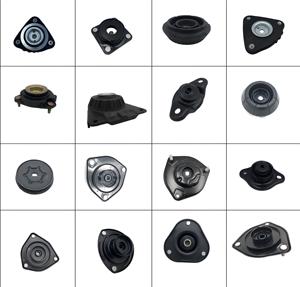
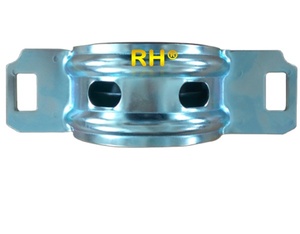
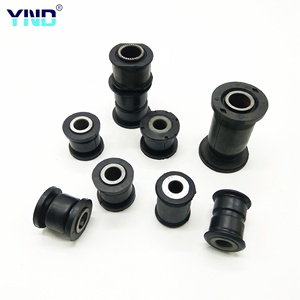
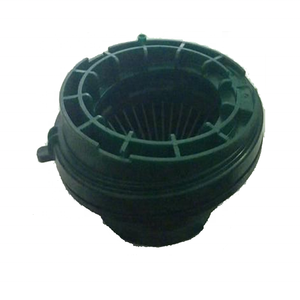
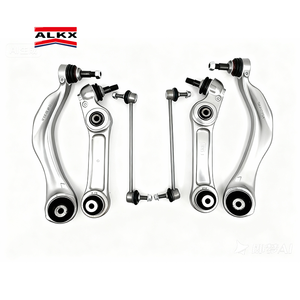
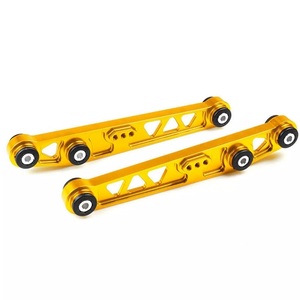
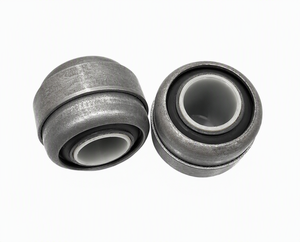
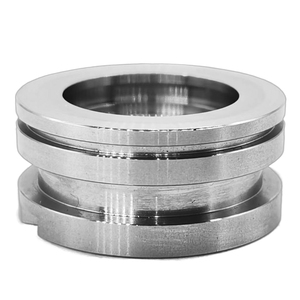
Radius arm bushings (known locally in Brazil as Buchas do Braço Oscilante, Buchas do Braço Tensor, or Buchas da Barra Tensora) serve as the primary articulation and longitudinal load-bearing interface between a vehicle's axle and chassis frame. While conventional passenger car bushings engineered for smooth North American or Western European highways endure predictable, cyclic low-amplitude vibrations, components exported to Brazil face an exceptionally demanding operational environment.
Through comprehensive tear-down analyses of failed aftermarket warranty returns collected from major distribution hubs in São Paulo, Minas Gerais, and Paraná, our engineering metallurgy lab identified three decisive stress vectors that foreign manufacturers frequently overlook:
A. Terra Roxa & Latosol Particulate Ingress: Brazil's agricultural belts are characterized by fine, quartz-rich red clay soil (terra roxa). When conventional rubber bushings lack tight outer flange tolerances or vulcanized metal interlocks, micro-particulates penetrate the outer sleeve interface, acting as a grinding paste that rapidly erodes the elastomer-to-steel bond line.
B. Severe Asymmetrical Torsional Deflection: Urban delivery vehicles navigating Brazilian cities encounter speed bumps (quebra-molas) and abrupt elevation drops on secondary urban pavements. These obstacles induce up to ±38 degrees of dynamic angular twist, pushing generic natural rubber compounds beyond their tear propagation threshold and tearing the inner elastomeric core.
C. Agro-Chemical and Biofuel Contamination: Brazilian flex-fuel blends containing up to 27% anhydrous ethanol (E27), widespread B12/B15 biodiesel usage, and intensive road-borne fertilizers create a corrosive wash during seasonal downpours. Elastomeric formulations without targeted anti-ozonant (6PPD) and chemical-resistant plasticizer packages rapidly undergo surface crazing and oxidative embrittlement.
A key question for Brazilian parts distributors, fleet managers, and aftermarket importers (distribuidores e importadores de autopeças) is determining the optimal durometer and polymer formulation for radius arm bushings. The market frequently debates between rigid Polyurethane (PU) and engineered Natural Rubber (NR) compounds.
| Performance Attribute | Standard Commodity NR | Generic Cast Polyurethane (PU) | NISTO Heavy-Duty Tropicalized NR Matrix |
|---|---|---|---|
| Durometer Hardness (Shore A) | 55 - 60 Shore A | 85 - 95 Shore A | 68 ± 3 Shore A (Optimized for Brazil) |
| Bonding System Integrity | Single-coat adhesive system | Mechanical friction fit (unbonded) | Chemlok® dual-coat chemical vulcanization |
| Radial & Axial Compliance | High compliance; deflects excessively | Extremely stiff; transmits vibration to chassis | Calibrated damping; absorbs severe pothole impact |
| NVH Isolation Rating | Fair initial damping; rapid creep | Poor; induces cabin chatter and harshness | Superior OE-grade acoustic and harmonic isolation |
| Fatigue Resistance (MTS Test) | < 400,000 cycles | 600,000 cycles (Prone to cracking under shock) | > 1,500,000 cycles at ±15kN dynamic load |
| Cold-Drawn Steel Sleeve Spec | Commercial welded tube Q235 | Aluminum / Unplated Mild Steel | Seamless ST52 / SAE 1020 Zinc-Nickel plated |
The Achilles' heel of imported suspension bushings in South America is metal-rubber interface separation (delaminação da borracha). In our automated manufacturing facilities, every inner pin and outer sleeve undergoes a rigid, six-stage pre-treatment cycle prior to molding:
1. Ultrasonic Degreasing: Complete removal of rolling oils and drawing lubricants.
2. Automated Micro-Shot Peening: Surface roughening to Ra 3.2–6.3 µm to maximize mechanical anchoring area.
3. Zinc Phosphating (10-15 g/m²): Corrosion barrier preventing sub-surface oxidation creep under the elastomer.
4. Automated Dual-Coat Chemlok® Application: Primer layer followed by an organosilane-based covercoat with dry-film thickness controlled within ±2.5 microns.
5. Vacuum-Assisted Injection Molding: High-pressure vulcanization at 165°C preventing micro-voids, porosity, and gas trapping.
6. 100% Post-Curing Radial Load Screening: Deflection verification ensuring zero slippage under 200% designed service torque.
A profitable import strategy for Brazilian distributors requires stocking OE-matched radius arm bushings tailored to the specific composition of Brazil's vehicle parc. We maintain dedicated tooling for the country's most widespread platforms:
Eliminating third-party trading intermediaries through vertically integrated in-house mold tooling, raw rubber compounding, and certified testing infrastructure.
We do not purchase commercial masterbatch compounds. We mix our proprietary high-cis polyisoprene natural rubber on internal Banbury mixers, ensuring exact polymer density, curing curves, and durometer consistency from sample evaluation to 40-foot full container deliveries.
Seamless customs clearance across Brazilian maritime ports (Santos, Paranaguá, Itajaí, Rio Grande). We provide compliant commercial documentation, precise Mercosul Common Nomenclature (NCM) classifications, Certificate of Origin (Form A), and Portuguese-language master carton labeling.
Empower your brand equity across auto parts distributors in Brazil. We offer custom laser-etched part numbers directly onto the steel outer sleeve, bespoke color-coded retail packaging, anti-humidity VCI rust-inhibiting inner bags, and palletized shrink wrapping for equatorial sea transit.
Navigating the Brazilian auto parts sector requires understanding shifting macroeconomic and technical dynamics across Latin America:
1. Fleet Aging & Extended Maintenance Cycles: Economic realities have pushed the average operational age of commercial vehicles in Brazil beyond 10.4 years. Fleets prioritize durable replacement parts that prevent repeated workshop downtime. High-durability radius arm bushings that deliver 80,000+ km operational lifespans on unpaved regional routes command strong pricing power and repeat orders over low-cost commodity parts.
2. Tightening Quality Audits & INMETRO Standards: While safety components such as brake pads, tie-rod ends, and ball joints face mandatory INMETRO certification (Portaria INMETRO), chassis rubber-to-metal bushings are coming under rigorous fleet procurement scrutiny. Brazilian Tier-1 distributors increasingly mandate independent laboratory test reports (tensile strength, elongation at break according to ASTM D412, and salt-spray resistance according to ASTM B117 > 480 hours) before onboarding overseas vendors.
3. Consolidation of Regional Parts Distributors: Major Brazilian distribution consortiums (such as those centered in the ABC Paulista, Campinas, Belo Horizonte, and Curitiba automotive hubs) are consolidating purchasing. They require manufacturing partners capable of consolidating high-mix, low-volume (HMLV) orders—combining radius arm bushings, stabilizer links, engine mounts, and center support bearings into single containerized shipments to optimize import tax burdens and port terminal handling charges.
Direct technical and commercial answers addressing landed costs, shipping lead times, quality guarantees, and customs specifics.
Radius arm rubber-to-metal bushings are typically classified under NCM 8708.80.00 (Parts and accessories of motor vehicles: Suspension systems and parts thereof) or NCM 4016.99.90 (Other articles of vulcanized rubber). We work alongside your Brazilian customs broker (despachante aduaneiro) to provide aligned proforma descriptions and technical data sheets to ensure smooth Siscomex clearance and correct tax treatment (II, IPI, PIS/COFINS).
Shipments from China to Brazilian ports (Santos, Paranaguá) require 35 to 45 days at sea, passing through humid equatorial zones. All our steel components receive an automated trivalent zinc plating or zinc-nickel coating exceeding 480 hours in neutral salt spray tests (ASTM B117). Parts are individually packed with VCI (Volatile Corrosion Inhibitor) poly-bags and packaged in heavy corrugated master cartons with container desiccants.
Yes. If an OE reference is exclusive to the Brazilian domestic market (such as regional versions of VW Saveiro, Fiat Toro, or older Agrale commercial chassis), you can send physical samples to our technical center. Our metrology team conducts CMM 3D scanning, spectrometer alloy analysis, and elastomer reverse compounding, producing functional validation prototypes within 25 working days.
For items with existing tooling in our catalog of 9,485+ models, our standard MOQ is typically 100 to 200 units per reference. We support consolidated full-container load (FCL) orders combining radius arm bushings, control arm bushes, strut mounts, and driveshaft center bearings to help Brazilian importers diversify catalog coverage while minimizing inventory holding costs.
While northern and central Brazil face tropical heat, southern states (Rio Grande do Sul, Santa Catarina, Paraná) encounter winter temperatures dropping toward 0°C. Our natural rubber elastomer formulations utilize plasticizer systems that maintain elasticity across a wide operating window from -40°C to +110°C, preventing cold embrittlement and winter noise complaints.
We offer an unconditional 12-month / 50,000 km performance warranty on all heavy-duty suspension and radius arm bushings under normal commercial operating conditions. In the rare event of verified material or vulcanization defects, we provide immediate compensation credit or replacement units in your next consolidated container.
Partner directly with an established engineering manufacturer. Request our comprehensive Mercosur suspension catalog, OE cross-reference interchange sheets, or schedule a technical consultation with our export engineering desk.