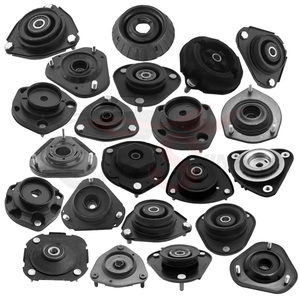
Auto Suspension Strut Mount Shock Absorber Top Mount OEM Anti-Vibration Strut Mount for Toyota Honda Nissan Ford Hyundai Kia
Elastomer: High Durometer Natural Rubber
Compatibility: Multi-Platform Asian/EU

Direct OEM-replacement control arm bushes, top strut mounts, and chassis components engineered with reinforced rubber formulations designed to withstand high radial shear and harsh pavement conditions.
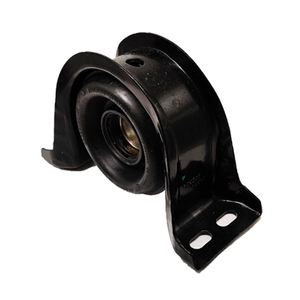
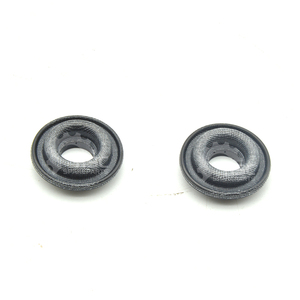
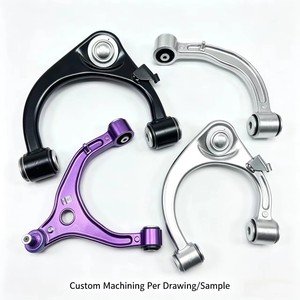
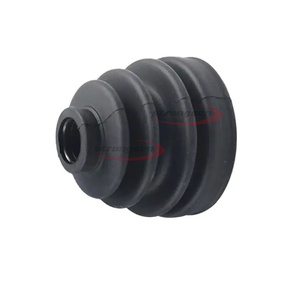
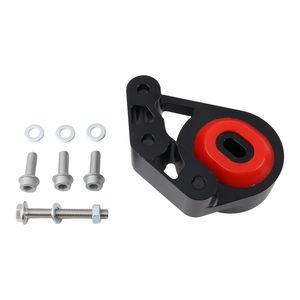
Supplying automotive suspension components to the Italian market demands far more than basic dimensional replication of Original Equipment (OE) drawings. The Italian vehicle demographic represents one of the most mechanically demanding environments in Southern Europe, characterized by a unique distribution of vehicle architectures, road surface topographies, and regional climatic variables. With over 39.8 million passenger cars and a high density of Light Commercial Vehicles (LCVs)—such as the pervasive Fiat Ducato, Iveco Daily, and Piaggio Porter fleets—aftermarket suspension bushes must endure multi-axial fatigue profiles rarely encountered in uniform highway corridors.
Historic city centres across Rome, Milan, Turin, Florence, and Naples are paved with historic basalt paving stones (selciato, sanpietrini, and porphyry cubes). These irregular road profiles generate constant, high-frequency, low-amplitude micro-impacts (15–35 Hz). Inferior aftermarket rubber formulas develop rapid micro-fissuring and elastomer hardening under this acoustic vibration, leading to suspension knock, loss of toe control, and premature bond failure at the metal sleeve boundary.
Italy's geography subjects running gear to extreme thermal and chemical variance. Northern regions (Piedmont, Lombardy, Trentino-Alto Adige) experience freezing Alpine passes where temperatures drop below -15°C, accompanied by aggressive anti-icing calcium chloride spray. Conversely, Southern and coastal regions (Sicily, Calabria, Liguria) expose vehicles to intense UV radiation, high ambient ozone, and marine salt fog. Elastomers must maintain elastic return without brittleness in the north or oxidative softening in the south.
While Stellantis platforms (Fiat 500, Panda, Punto, Tipo, Alfa Romeo Giulietta/Stelvio, Lancia Ypsilon) command immense market share, German sedans (VAG, BMW, Mercedes-Benz) and Asian compacts (Toyota Yaris, Nissan Qashqai, Hyundai i10) require comprehensive coverage. Specific suspension architectures—such as the independent MacPherson front struts and torsion beam rear setups found in urban commuters—concentrate heavy braking and cornering torque directly on the lower wishbone rear rubber bushes.
Analysis of electrification dynamics, distributor consolidation, and strict European chemical compliance standards transforming Italian automotive parts procurement.
The automotive spare parts market in Italy (mercato aftermarket indipendente) is navigating structural shifts. Sourcing managers and procurement directors at major purchasing groups (such as LKQ Rhiag, Autodis Italia, Groupauto, and Temot International affiliates) face evolving mechanical benchmarks influenced by three dominant structural trends:
The accelerating adoption of Battery Electric Vehicles (BEVs) and Plug-in Hybrids (PHEVs)—such as the Fiat 500e, Jeep Avenger EV, and Tesla Model 3/Y—introduces a 25% to 35% curb weight increase compared to legacy internal combustion counterparts. Furthermore, instantaneous electric motor torque places instantaneous torsional stress on lower control arm compliance bushings during launch and regenerative braking. Traditional aftermarket bushings deteriorate rapidly under these high dynamic peak loads.
Our manufacturing facility addresses this with hydro-bushings (hydraulic damping bushes) and multi-cavity void design bushings that combine progressive damping characteristics with reinforced inner metal sleeves capable of dissipating high longitudinal shock loads without tearing the elastomer bridge.
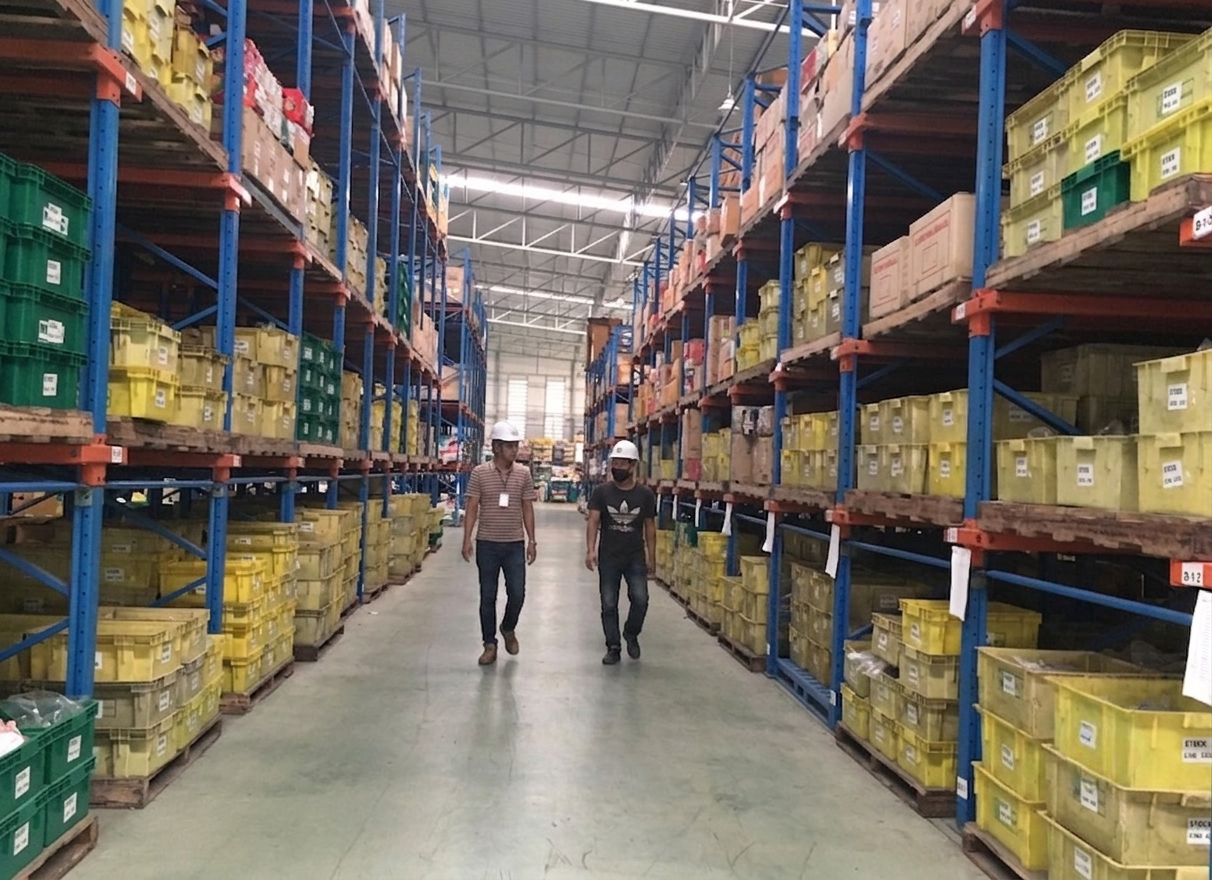
The fragmented regional warehouse model of Northern, Central, and Southern Italy is consolidating into centralized automated logistics hubs. For distributors, SKU proliferation is a liability; stock turnover rate and zero warranty returns are paramount. Wholesalers demand factory partners that offer broad application catalogs with uniform packaging, precise TecDoc-aligned OE cross-referencing, and batch-to-batch consistency that prevents costly workshop warranty labor claims (costi di manodopera in garanzia).
Italy's customs authorities (Agenzia delle Dogane e dei Monopoli) and environmental agencies enforce rigorous inspections regarding hazardous chemical substances. Rubber-to-metal parts entering the European Union must strictly comply with EU REACH Annex XVII regarding Polycyclic Aromatic Hydrocarbons (PAHs), phthalates, and heavy metals. Our compounding lines utilize non-carcinogenic aromatic-free process oils, ensuring that all components supplied into Italian ports (Genoa, La Spezia, Trieste, Naples) pass EU chemical compliance audits seamlessly.
| Performance Parameter | Typical Budget Export Bushing | OEM Reference Target | NISTO Engineered Export Grade |
|---|---|---|---|
| Base Polymer Composition | Recycled Rubber / Low-Grade SBR | 100% Virgin Natural Rubber (NR) / EPDM | Virgin Thai Natural Rubber (NR) Blend |
| Shore A Hardness Tolerance | ±8 Shore A (High Batch Variance) | ±3 Shore A | ±3 Shore A (CMM Laser Inspected) |
| Rubber-to-Metal Bonding Agent | Single-Coat Generic Adhesive | Automated Dual-Coat Chemlok Vulcanized | Henkel Chemlok 2-Stage Chemi-Bond |
| Metal Sleeve Surface Treatment | Basic Oiled Black Phosphating | Zinc-Nickel Electroplate or E-Coat | Cataphoretic (KTL) Electro-Deposition >480h Salt Spray |
| Dynamic Fatigue Life (Cycles) | < 150,000 cycles (Cracking observed) | > 500,000 cycles | > 650,000 cycles (MTS Dynamic Test Bench) |
| Torsional Angle Flexibility | < ±18° before core separation | ±30° elastic hysteresis | ±32° Dynamic Elastic Hysteresis |
| EU REACH / PAH Compliance | Often uncertified / high risk | Fully Certified Compliant | 100% REACH Annex XVII / RoHS Certified |
Founded on decades of precision elastomer molding in Thailand—the global epicenter of premium natural rubber latex cultivation—NISTO RUBBER MANUFACTURING CO., LTD. bridges the gap between Asian manufacturing cost efficiencies and uncompromising European OE tolerances.
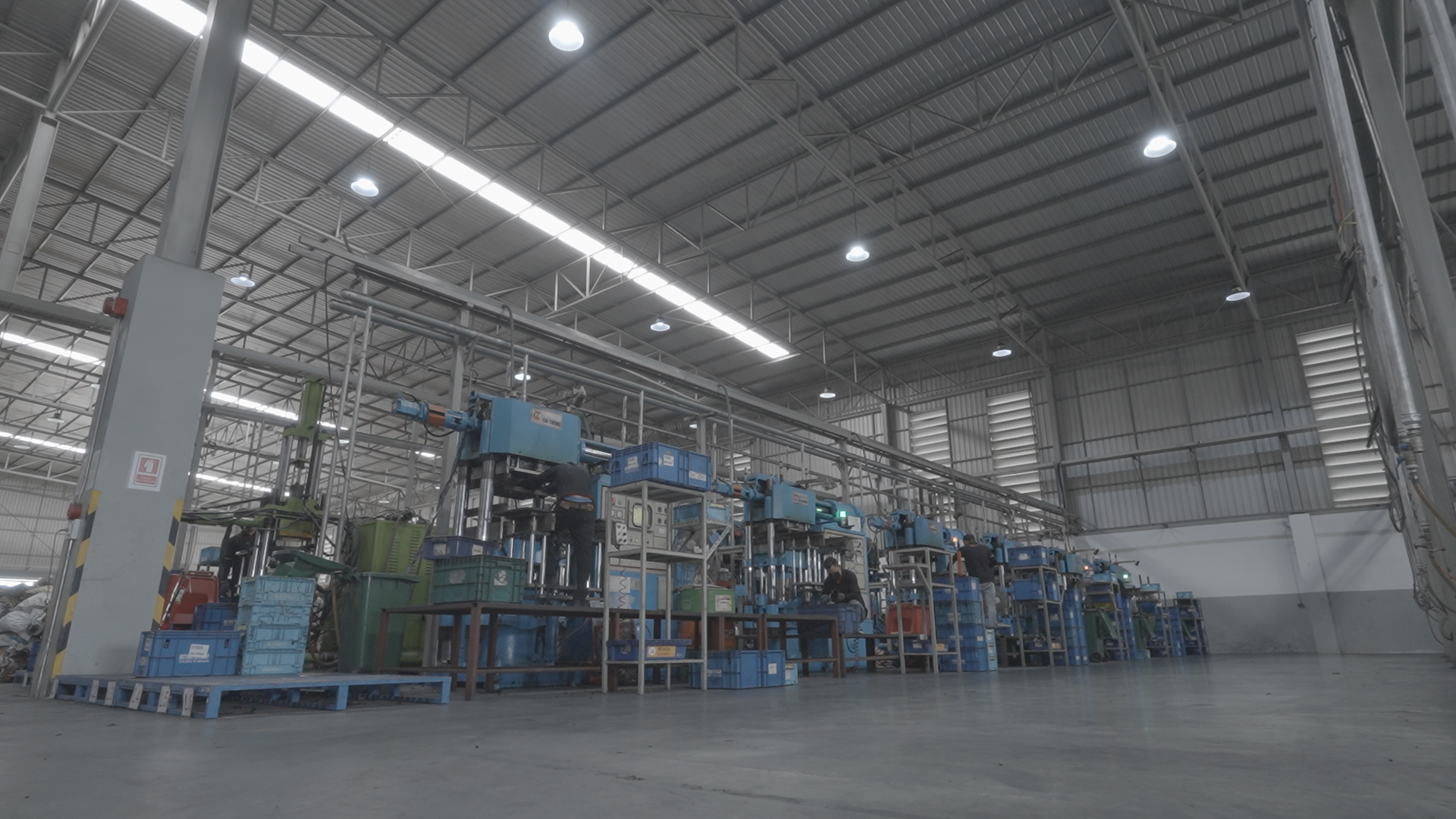
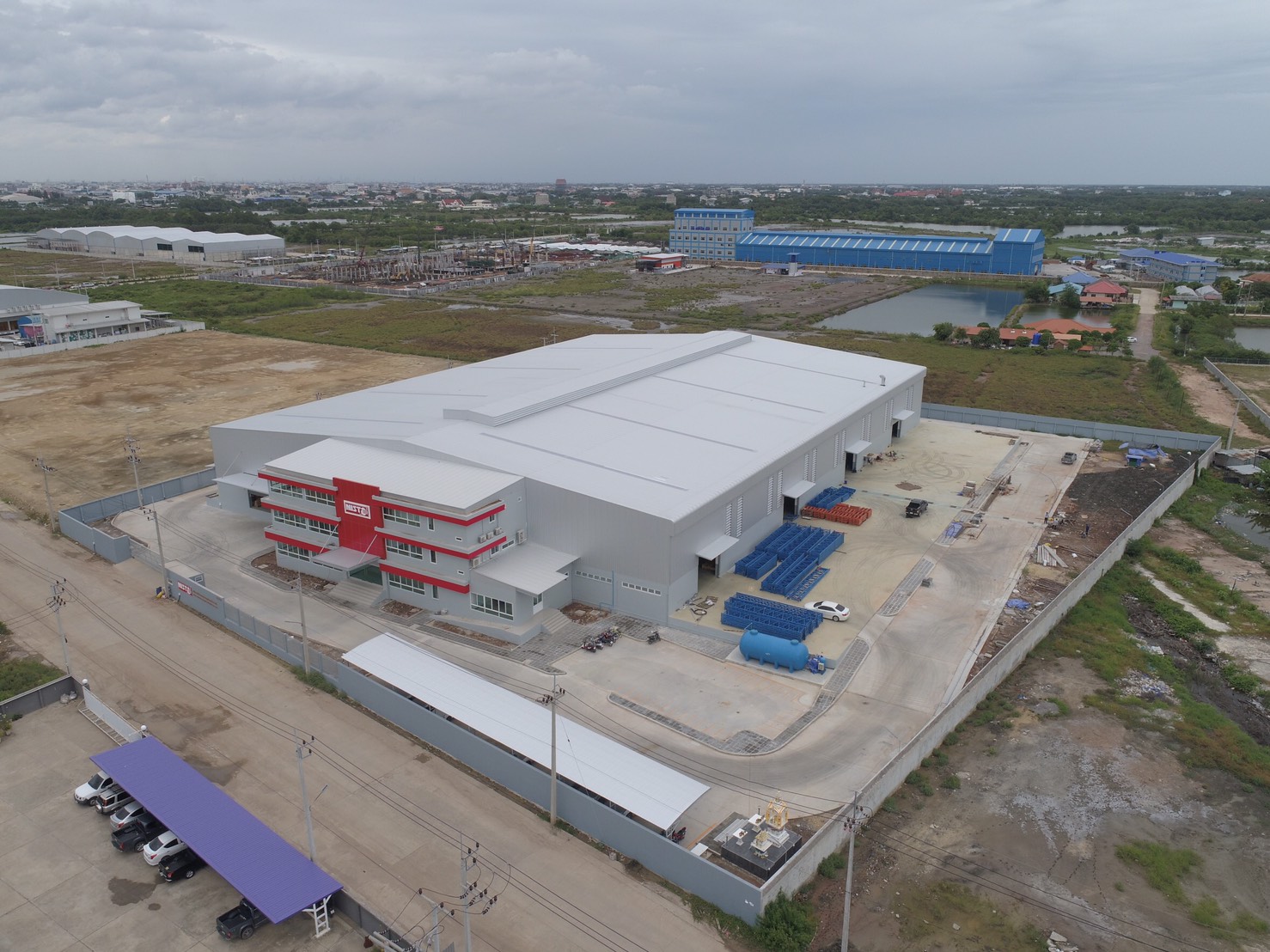
Unlike trading entities or assembly workshops that outsource molding to third parties, 100% of our rubber parts are molded in-house. This single-source control protocol eliminates the quality degradation typical of layered subcontracting.
Clear, direct answers regarding customs protocols, technical compliance, minimum orders, and supply-chain logistics for the Italian automotive aftermarket.
Our comprehensive catalog features full coverage for domestic Italian vehicle fleets, notably Stellantis / FCA applications (Fiat 500, 500L, Panda, Punto, Bravo, Doblò, Fiorino, Ducato; Alfa Romeo 147, 156, 159, Mito, Giulietta, Stelvio; Lancia Ypsilon, Delta) and Iveco Daily series.
Simultaneously, we supply extensive OE-matched replacement items for high-volume European imports (Volkswagen Golf, Polo, Passat; Audi A3, A4, A6; Ford Fiesta, Focus, Transit; Renault Clio, Megane; Peugeot 208, 308) and Asian platforms widely driven in Italy (Toyota Yaris, Aygo; Nissan Micra, Qashqai; Hyundai i10, i20; Kia Sportage). Cross-reference data is mapped to original OE part numbers, Fast/Sidat codes, and TecDoc criteria.
Under the European Combined Nomenclature (TARIC), automotive control arm bushings and anti-vibration mountings are typically classified under:
As an accredited Thai manufacturer, our shipping documentation includes full export customs declarations, commercial invoices with exact HS/TARIC codes, packing lists, and certified certificates of origin to expedite clearance at major Italian customs points including Genoa, La Spezia, and Malpensa.
Delamination occurs when moisture and salt ions penetrate the bonding interface between the elastomer and the steel sleeve, leading to ferric oxide formation that destroys the adhesive bond. We counter this with a tri-phase protection system:
1. Surface Phosphating & Grit-Blasting: Metal sleeves undergo automated micro-abrasion to expand the molecular bonding surface area.
2. Henkel Chemlok 2-Stage Thermal Bonding: We apply automated primer and topcoat adhesive systems cured inside pressurized vulcanization molds at 165°C under 180 bar pressure, producing cohesion strength exceeding the tear strength of the rubber itself.
3. Cataphoretic Paint Coating (KTL): Exposed outer metal shells receive cataphoretic immersion coating that surpasses 480 hours in neutral salt spray testing (ASTM B117), exceeding standard aftermarket zinc-plating thresholds.
To support flexible stock management for independent distributors:
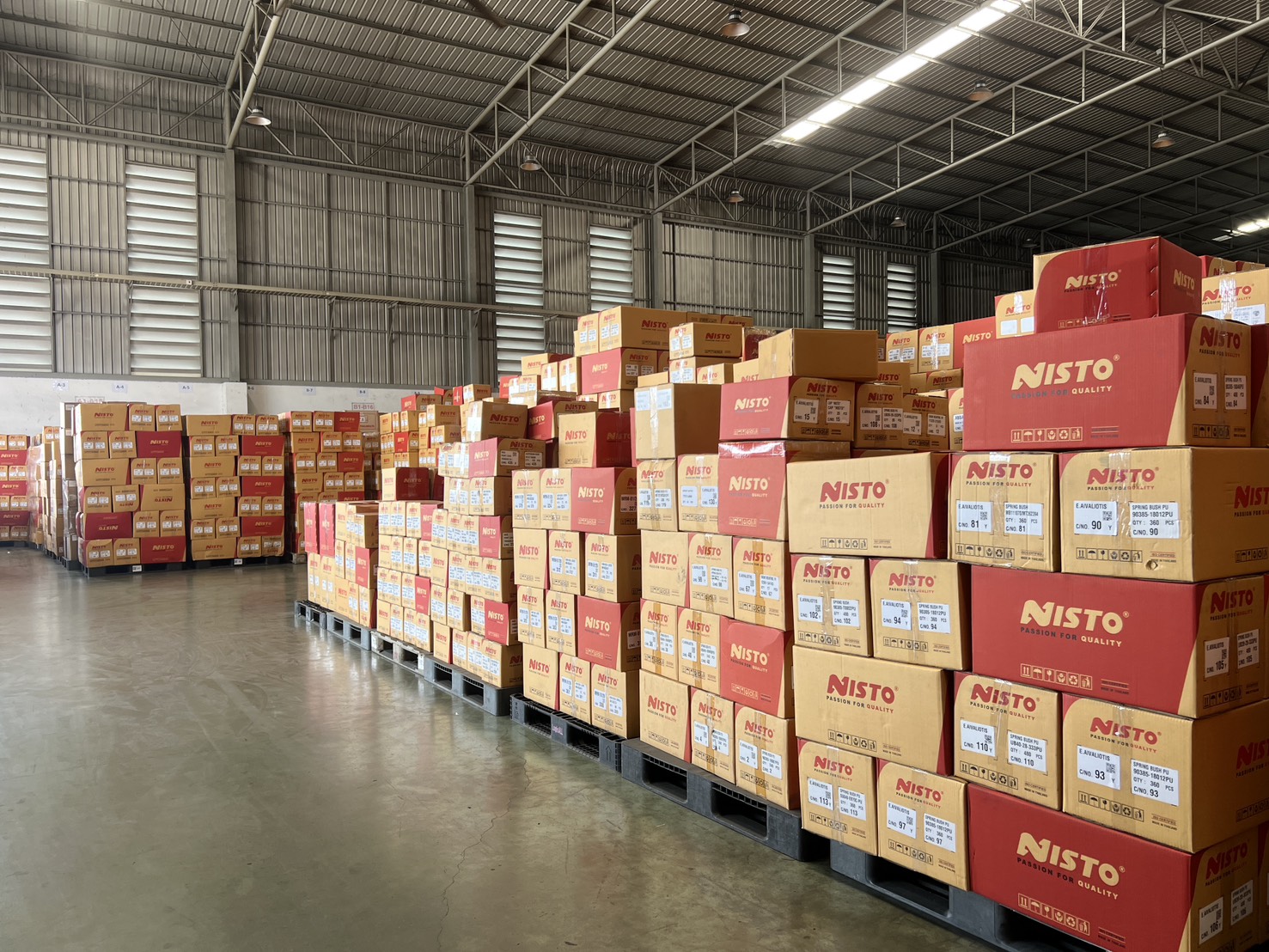
Yes. We provide complete Original Design Manufacturing (ODM) and OEM private-label branding solutions for established Italian parts distributors. Options include laser-etching part numbers and distributor logos directly onto metal sleeves, customized full-color retail carton boxes with Italian/English language labeling, EAN-13 barcodes, TecDoc-compatible identification QR codes, and palletized shrink-wrap shipping built to European standard EUR-pallet (1200 x 800 mm) dimensions.