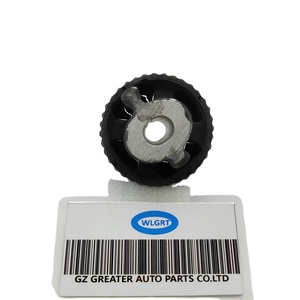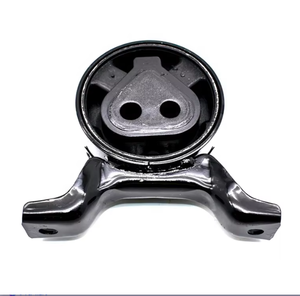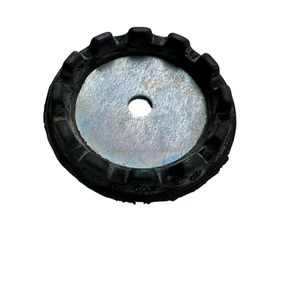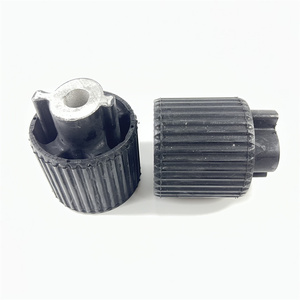
Direct OEM-replacement units designed for severe operational duty cycles in South African commercial transport, mining fleets, and multi-terrain passenger vehicles.
The South African automotive aftermarket faces unique mechanical challenges that standard European or Asian domestic mounts fail to withstand. Sourcing from our manufacturing lines resolves critical field-failure triggers.
Unpaved provincial roads across Limpopo, Eastern Cape, and the Northern Karoo impart high-frequency micro-impacts directly to the rear subframe. Standard NR (Natural Rubber) bushings suffer polymer fatigue and heat liquefaction within months under continuous cyclical high-frequency oscillation.
Polymer Solution: High-Damping Polybutadiene ReinforcementSouth Africa's minibus taxi industry (Toyota Quantum / Ses’fikile) and cross-border logistics fleets frequently operate at 120–140% GVWR (Gross Vehicle Weight Rating). When accelerating under full capacity on steep gradients, differential mounts absorb enormous rotational counter-torque.
Reinforcement: Seamless Heavy-Gauge Drawn Cold Steel SleevesThe Highveld and interior plateau experience intense UV radiation, low humidity, and fine, highly abrasive ferric laterite dust. This dust embeds into rubber voids, causing mechanical abrasion that leads to rapid delamination from metal sleeves unless chemically protected.
Protection: Antizonant Wax Migration + E-Coat PrimerStrategic structural shifts are redefining how importers, distributors, and purchasing co-ops in Johannesburg, Durban, and Cape Town structure their chassis procurement programs.
Due to rand (ZAR) volatility against hard currencies and rising new-vehicle inflation, commercial and private owners in South Africa are holding vehicles longer. The national average vehicle age now exceeds 11.8 years. Consequently, secondary driveline rebuilds—such as differential mount renewals—are surging across independent workshop networks.
Historically, franchised workshops replaced the entire rear subframe carrier or differential assembly when rubber failed. Independent workshops now demand individual replacement differential mount bushings that can be pressed into the existing aluminum carrier, reducing repair bills by up to 75%.
Tired of compounding margins from European and Middle Eastern re-packagers, South African parts wholesalers are bypassing traditional intermediaries. Importers now deal directly with specialized rubber-to-metal molding plants capable of delivering full container consignments to Port of Durban and Cape Town harbor.
| Component Category | Material Specification | Bonding Process | Corrosion Shield | Target Local Application |
|---|---|---|---|---|
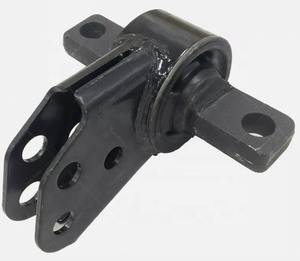
| Rear Differential Carrier Mount | Custom NR/BR (Natural + Butadiene Rubber) | Chemlok® Double-Coat Adhesive Vulcanization | Cathodic Electrodeposition (CED, 15-20μm) | Toyota Hilux, Land Cruiser, Fortuner 4WD |
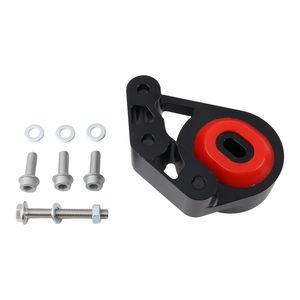
| Dynamic Snubber Bushings | High Damping EPDM / Polyurethane Blend | Direct High-Pressure Injection Bonded | Zinc-Nickel Thermal Alloy Passivation | Commercial Light Delivery Vans & Taxis |
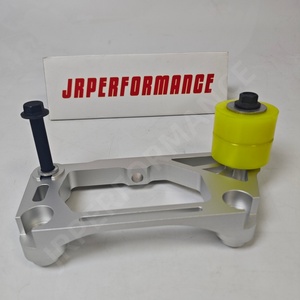
| Performance Drivetrain Bracket Kits | 6061-T6 Billet Aluminum + 75A Elastomer | Mechanical Retaining Ring + Vulcanized Core | Hard Anodized Clear/Black (MIL-A-8625) | High-Performance RWD Sedans & SUVs |
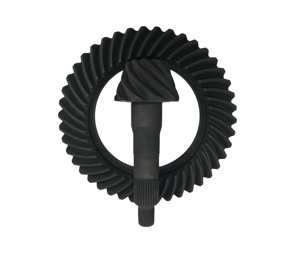
| Crown Wheel & Pinion Gear Sets | 20CrMnTi / SAE 8620 Case-Hardened Alloy Steel | Precision Hypoid Lapping & Hobbing | Phosphate Anti-Friction Running Coating | Heavy Axle Overhaul & Commercial Fleets |
Operating dedicated production facilities in Thailand, we control every step of manufacturing—from compounding virgin rubber to multi-stage vulcanization—providing repeatable OEM fidelity for worldwide export.
Unlike trading entities that outsource production, NISTO compounds, injects, and inspects 100% of parts in-house. Our Thai plant maintains precise control over polymer chemistry, carbon-black ratios, and curing durations, preventing the voiding defects common in lower-tier alternatives.
Our expansive tooling catalog covers Asian, European, and American models. Importers can consolidate engine mountings, control arm bushings, strut mounts, and differential carriers into unified containers, eliminating the administrative overhead of sourcing from fragmented vendors.
The primary point of failure on cheap differential mounts is sleeve delamination. We employ a controlled surface shot-blasting process followed by multi-stage adhesive bonding agents. The resulting bond strength surpasses the tensile tear strength of the rubber polymer itself.
Addressing supply chain operations, technical validation, import compliance, and container logistics for local auto parts distributors and workshop chains.
Every steel outer sleeve and metal bracket undergoes high-adhesion cathodic electrodeposition (CED) or yellow zinc passivation. This treatment withstands over 480 hours of ASTM B117 neutral salt spray testing, preventing corrosion and chassis galvanic binding along high-humidity coastal zones.
We supply complete, certified commercial export documents including commercial invoices, packing lists with net/gross weights, bills of lading (BL), and Certificates of Origin (Form COO). Correct HS Code classifications (e.g., 8708.99 / 4016.99) are provided up front to streamline clearance via Durban or Port Elizabeth customs terminals.
Yes. With over 9,485 references across 60 chassis and driveline categories, South African buyers can combine differential mountings, engine mountings, lower control arm bushes, shock mountings, and CV joint boots into a single 20ft or 40ft HQ container consignment to minimize shipping overhead.
We cross-reference every part against OEM dimensions, VIN records, and international parts databases. When regional variations exist (such as specific right-hand drive Hilux or Quantum chassis sub-types), our engineering team provides dimensioned blueprints and CAD cross-sections for workshop sign-off before manufacturing runs.
Catalog items held in our ready stock ship within 7–12 days. For volume replenishment runs requiring full batch molding, lead times range between 30 and 45 days. Ocean freight from Laem Chabang port to Durban harbor typically takes 18 to 24 sailing days, offering a dependable delivery window for container programs.
Yes. While standard OEM spec is 60–65 Shore A, we can formulate rubber mixtures up to 75A or 80A for fleet operators and remanufacturers who require higher stiffness to handle extreme axle torque and rough unpaved routes.
Review full dimensional drawings, OE cross-reference numbers, rubber shore durometer specifications, and direct container pricing for the South African commercial and passenger aftermarket.