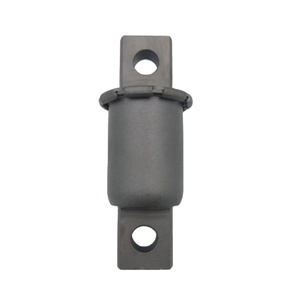
OEM Quality Leaf Spring Bushing 16-16412-000 358115C1 52296 Torque Rod Bushing
Designed for severe heavy-duty suspension oscillations. Features exceptional elastomeric rebound and high resistance to torsional shearing forces.

Industrial-grade driveshaft center support assemblies, torque rod bushings, stabilizer links, and differential mountings engineered to exact OEM dimensional parameters.
Designed for severe heavy-duty suspension oscillations. Features exceptional elastomeric rebound and high resistance to torsional shearing forces.
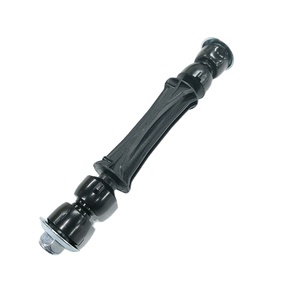
High-tensile steel ball studs coupled with sealed dust boots, mitigating Pacific Northwest moisture intrusion and eliminating front-end chassis roll.
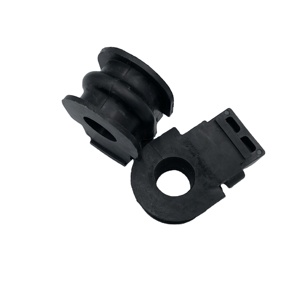
Tailored compound durometer ratings. Engineered with integrated inner lubrication grooves to eliminate creak noise under repetitive articulate deflection.
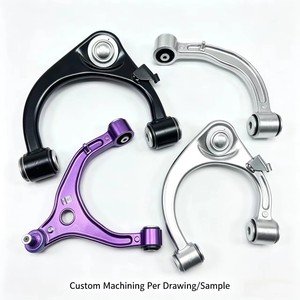
Aircraft-grade structural milling tailored for motorsport stability, providing uncompromising drivetrain rigidity and razor-sharp steering alignment response.
Multi-polymer NR/EPDM compound blend providing maximum dynamic damping ratio against secondary road harmonics, gravel impacts, and sustained payload vibration.
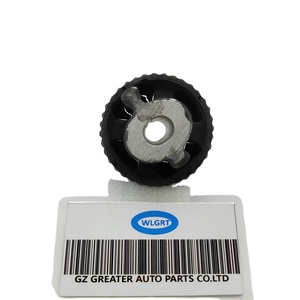
Restores OEM driveline harmonics, dampens high-torque launching shock loads, and isolates differential housing vibrations from vehicle cabin subframes.
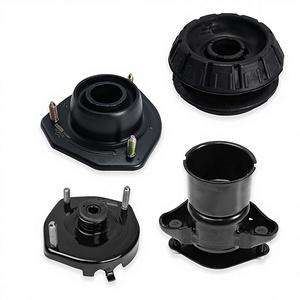
Engineered rubber-to-metal bonding ensures smooth radial strut rotation while damping high-frequency vertical acceleration from urban road imperfections.
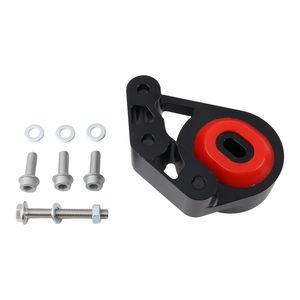
Calibrated 70A durometer formulation eliminates driveline slop during aggressive gear transitions without inducing unrefined cabin NVH resonances.
How the topographies of King County, port freight logistics, and moist marine climates impose distinct physical failure modes on driveshaft support systems.
The Seattle metropolitan area—spanning from downtown Seattle's steep gradients on Queen Anne and Capitol Hill down through the industrial logistics centers of the Kent Valley and the Port of Seattle—presents an uniquely hostile proving ground for multi-piece driveshafts. In vehicles equipped with extended wheelbases, such as municipal utility fleets, regional distribution vans (Ford Transit, Mercedes Sprinter), and freight haulers traversing the Interstate 5 and Interstate 90 corridors, the driveshaft center support bearing serves as the mechanical nexus governing rotational balance, torque absorption, and structural alignment.
Stop-and-go logistics across Seattle's continuous 12% to 18% elevation grades transfer severe instantaneous torsional shock into the center support cushion, generating acute shear stresses on the rubber-to-metal vulcanized bond.
Puget Sound's humid, salt-laden marine air accelerates electrochemical oxidation of bare steel brackets and penetrates low-grade deep-groove ball bearings, causing premature spalling and rubber blistering.
Fleets traversing the Cascade Range experience extreme sub-zero thermodynamic cycling. Conventional elastomers glassify below -10°C, leading to fatigue micro-cracks under high-speed rotational harmonics.
Standard aftermarket center bearings frequently fail within 15,000 to 25,000 miles due to a fundamental mismatch in elastomeric compound selection. Cheap SBR (Styrene-Butadiene Rubber) formulations, while cost-effective, exhibit steep hysteresis loss and degrade rapidly under repetitive high-frequency excitation. NISTO RUBBER overcomes these structural limitations through proprietary polymer compounding tailored directly for heavy-duty driveshaft environments.
Our manufacturing facility utilizes a strictly managed blend of virgin Natural Rubber (NR) reinforced with precision-dosed EPDM (Ethylene Propylene Diene Monomer). The high stereoregularity of natural rubber ensures supreme tensile strength (exceeding 22 MPa) and low heat build-up under rotational speeds surpassing 4,000 RPM, while the synthetic EPDM backbone shields the elastomeric diaphragm against environmental ozone, road wash chemical degradation, and engine oil vapor.
| Performance Parameter | Generic Commercial Grade | NISTO Heavy-Duty Specification | PNW Fleet Advantage |
|---|---|---|---|
| Base Polymer Matrix | Recycled SBR / Mineral Fillers | Virgin High-Cis NR / EPDM Blend | Prevents low-temperature glassification & ozone checking |
| Bonding Peel Strength (ASTM D429B) | < 6.5 kN/m (Frequent separation) | > 11.8 kN/m (Substrate rubber tear) | Eliminates delamination under violent hill-start torque |
| Bearing Shield Integrity | Standard Single Lip 2RS | Dual-Lip Viton Lip Seal with Marine Grease | Impermeable to Puget Sound spray, grit, and brine |
| Operating Temperature Range | -20°C to +80°C | -45°C to +125°C | Resists exhaust proximity bake and mountain frost |
| Static Radial Durometer | 55 Shore A (Inconsistent ±8) | 60 ±3 Shore A Strict Tolerance | Maintains proper critical driveshaft driveline pinion angle |
Key structural shifts influencing how fleet directors, rebuilders, and automotive parts distributors in Washington State manage intermediate driveshaft inventory.
The exponential expansion of final-mile distribution hubs across Pierce and King Counties has driven 40% higher year-over-year consumption of commercial intermediate shaft support assemblies.
With regional mechanic labor rates exceeding $175/hr in the Seattle metro sector, fleet operators intentionally replace whole-shaft components with OEM-spec rebuilds that guarantee 100,000+ trouble-free miles.
Tier-2 distributors are bypassing domestic warehouse markups, securing direct container supply lines with specialized Southeast Asian rubber-to-metal manufacturers capable of strict OE validation.
Seattle rebuild shops reject thin, stamped sheet metal housings. Procurement protocols now enforce structural heavy-gauge cold-rolled carbon steel brackets with zinc-phosphate electro-coat finishes.
Built on over three decades of precision polymer engineering, delivering OEM-matched dimensional consistency across global wholesale networks.
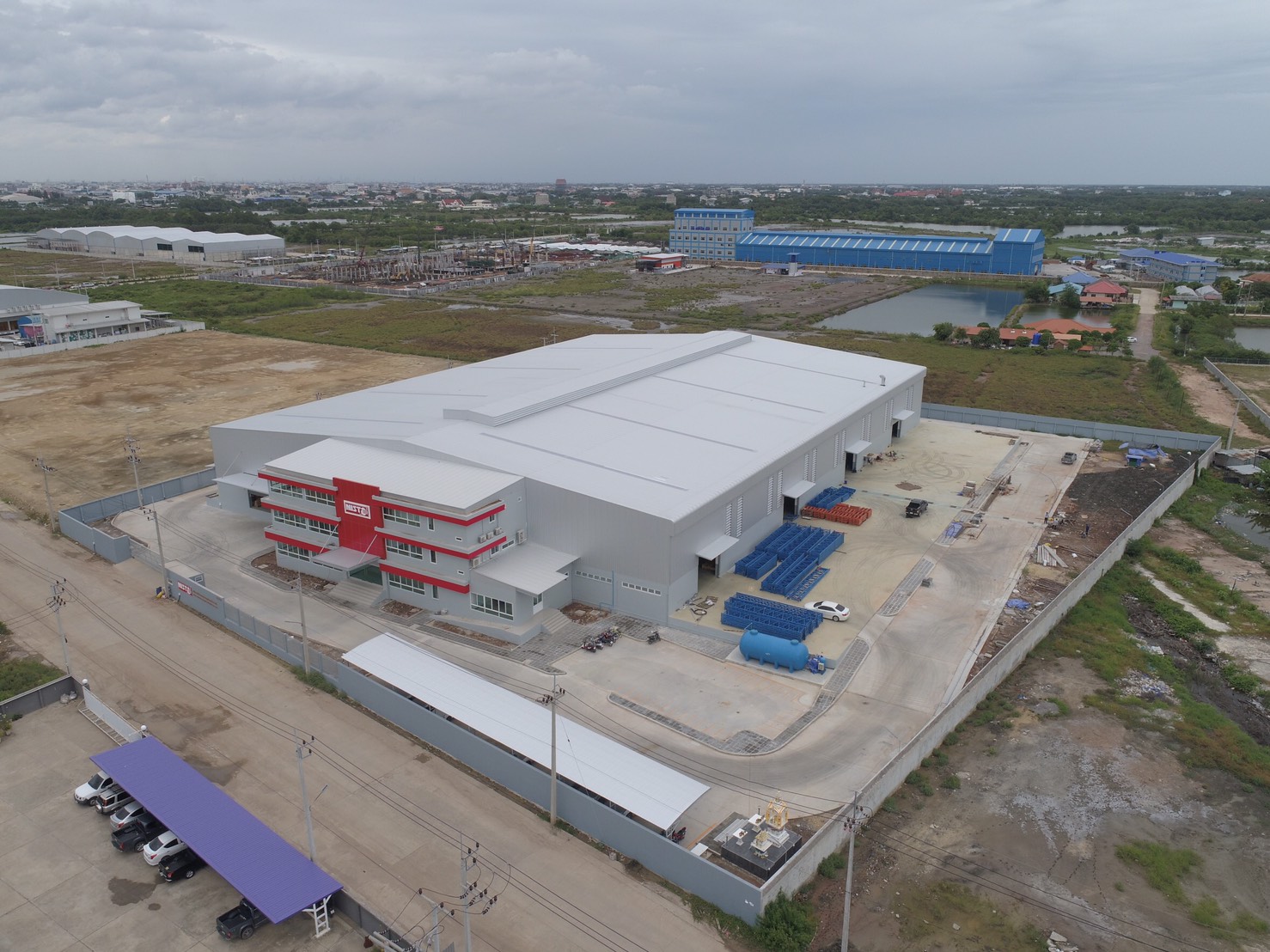
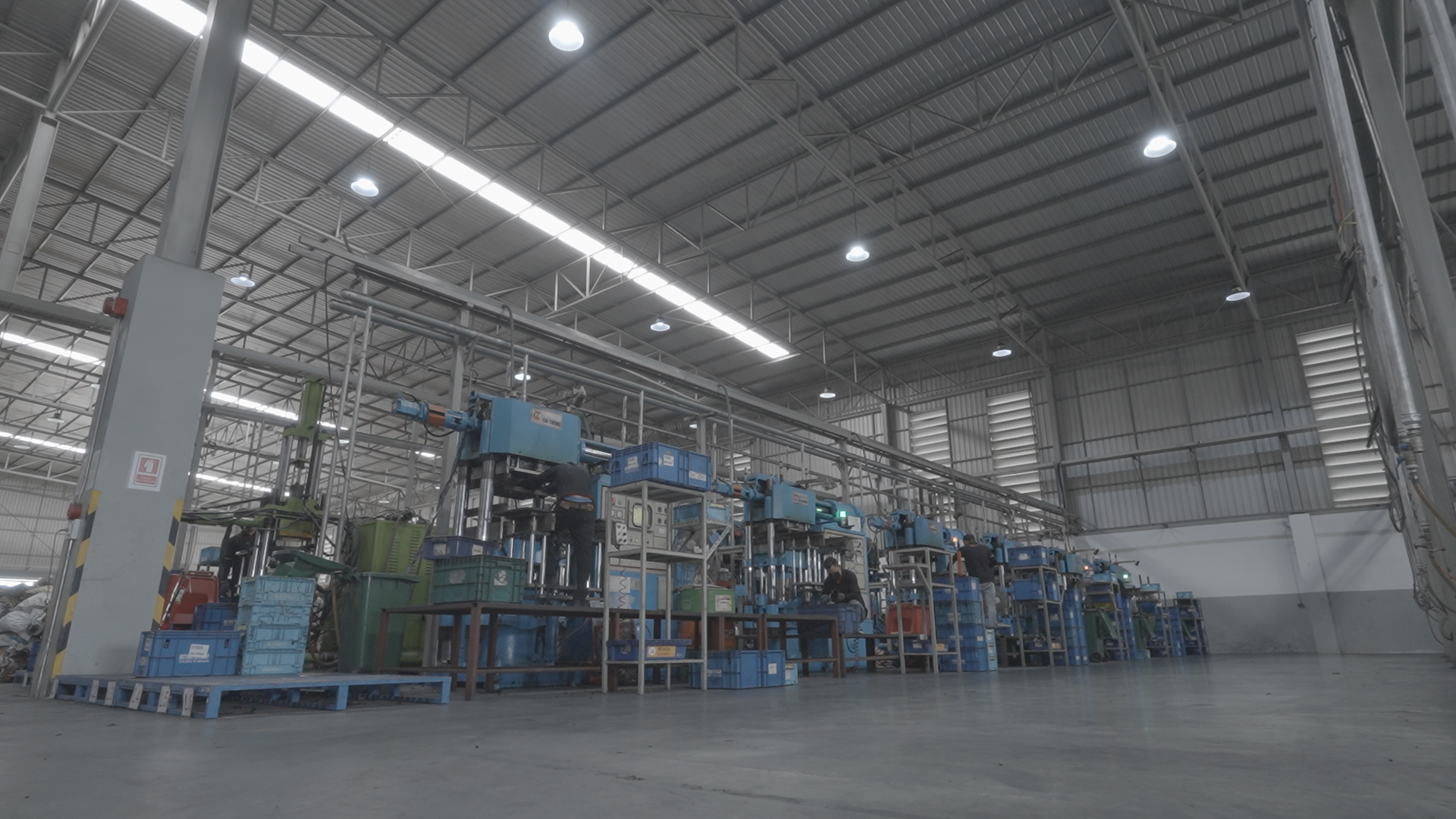
Unlike trading companies or assembly packagers, NISTO RUBBER operates as an integrated manufacturer. Our Thailand production facility houses precision internal Banbury mixers, automated multi-cavity injection vulcanization presses, and dedicated CNC tooling centers. Because tooling is cut in-house to exact geometric tolerances, we eliminate bore eccentricities that cause destructive driveshaft wobble.
Every steel carrier bracket undergoes a four-stage chemical phosphating and electrostatic eco-coating treatment prior to rubber bonding. By implementing Chemlok® proprietary adhesive bonding systems, we guarantee that the rubber-to-metal joint remains intact under dynamic torsional shear loads exceeding 450 Nm, completely neutralizing premature separation failures.
Comprehensive program coverage spanning Asian, North American, and European commercial and passenger platforms with certified OE reference mapping.
Every production run undergoes dynamic rheometer batch testing, computerized durometer verification, and pull-off destruction testing.
Streamlined Pacific shipping routes connecting Bangkok/Laem Chabang directly to the Seattle and Tacoma container terminals, minimizing logistical lag.
Equipped exclusively with low-friction, high-load deep-groove ball bearings packed with premium all-weather synthetic grease.
Detailed technical and logistical considerations for Pacific Northwest distributors, repair shops, and commercial fleet managers.
Precise fitment requires cross-referencing three key dimensions: Internal Bearing Bore Diameter, Centerline Height to Mounting Base, and Mounting Hole Center-to-Center Spacing. Because many fleet vehicles (such as Ford F-Series Super Duty, E-Series, Chevrolet Silverado HD, and Mercedes Sprinter) utilize multiple shaft iterations depending on wheelbase and cab configuration, relying solely on model year can lead to mismatched bracket drops. Our engineering catalog provides both OE cross-reference numbers and micro-caliper dimensional drawings to ensure 100% bolt-on compatibility.
The most pervasive symptom is a shudder or heavy thud resonating through the floorboard during initial takeoff under heavy payload, particularly when accelerating uphill on grades like those in downtown Seattle or Interstate 5 ramps. This vibration usually subsides at cruising velocity (above 35 MPH). Additional indicators include high-pitched metallic howling or rumbling caused by dry, pitted bearing balls whose seal has succumbed to Puget Sound rain and road salt intrusion.
For high-reliability fleet standards, replacing only the rubber cushion is strongly discouraged. Because the deep-groove ball bearing is press-fit inside the elastomeric ring under factory-calibrated concentric pressure, attempting to press an old bearing into a new rubber isolator frequently damages bearing seals or results in axial misalignment. Installing a complete NISTO factory-integrated center support assembly ensures exact balance, certified bearing clearances, and zero operational downtime.
We supply North American regional distributors, driveline repair rebuilders, and high-volume fleet accounts through full-container load (FCL) and less-than-container load (LCL) shipments originating directly from our manufacturing base in Thailand. If you manage a proprietary commercial fleet or an discontinued chassis model not found in standard catalogs, our toolmaking division can engineer customized tooling directly from an OE physical sample or 3D CAD schematic within 25 business days.
Ocean freight transit from our facility via Laem Chabang port to the Northwest Seaport Alliance (Seattle/Tacoma) typically ranges between 18 to 24 transit days. Standard inventory line items from our 9,485 catalogue profiles ship within 7 to 10 days of order consolidation, making our supply chain highly competitive compared to inland domestic freight bottlenecks.
Eliminate premature driveline failures, reduce fleet maintenance overhead, and access factory-direct pricing for all your automotive rubber-to-metal requirements in the Seattle and Washington market.