Model X Direct Fit
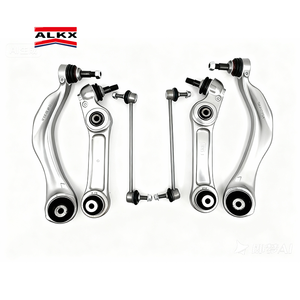

OEM-grade dimensional tolerances, rigorous dynamic fatigue testing, and superior rubber-to-metal chemical bonding engineered for commercial fleets, passenger vehicles, and regional distribution networks.
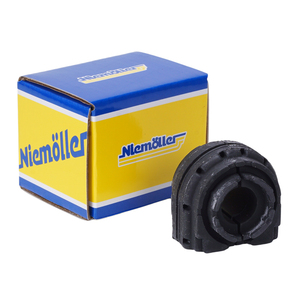
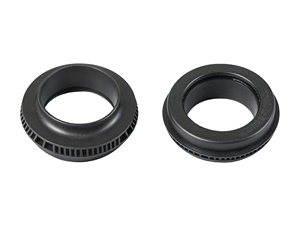
A comprehensive mechanical appraisal of CV joint boots, rack and pinion gaiters, and shock dust covers across tropical maritime and highland terrains.
In modern automotive chassis design, the elastomeric dust cover boot represents a safety-critical barrier protecting the mechanical integrity of constant velocity (CV) joints, rack-and-pinion steering gears, ball joints, and telescoping shock absorbers. When supplying Sri Lanka’s automotive aftermarket, transport authorities, and commercial logistics fleets, dust boots face an exceptionally hostile operational profile. The island’s unique combination of high equatorial UV radiation index, continuous ambient relative humidity reaching 80% to 90%, and fine airborne coastal silica particles creates severe conditions that rapidly degrade inferior commercial rubbers.
In regions such as Colombo, Gampaha, and the Southern coastal belt, maritime saline mist accelerates the micro-fissuring of polymers subjected to dynamic flexing. Meanwhile, in the Central Highlands (Kandy, Nuwara Eliya, and Badulla), steep gradient climbs demand constant, high-angle articulation of driveshaft boots under intense torsional heat. Standard generic natural rubber (NR) and sub-standard recycled polymers routinely experience premature thermal embrittlement, ozone cracking, and petroleum wash-off within 6 to 9 months of installation. For fleet managers and automotive component importers, failure of a dust boot inevitably leads to grease expulsion, ingress of abrasive slurry, catastrophic scoring of constant velocity ball tracks, and costly road clearance emergencies.
Technical Observation: Over 74% of driveshaft and steering rack joint failures in tropical South Asian terrains originate not from metallurgical fatigue, but from premature elastomer barrier tearing and subsequent lubrication contamination.
Formulated with anti-ozonant micro-waxes and chemical plasticizers to resist tropical atmospheric oxidation, sustaining over 1.2 million continuous flexing cycles without micro-fissuring or durometer drift.
Engineered for high-torsion front-wheel-drive configurations. Features exceptional tear resistance against high-speed gravel impact along newly expanded expressways and rural unpaved access routes.
Engineered to resist volumetric swelling, softening, and chemical extraction induced by synthetic polyurea and molybdenum disulfide chassis greases under peak operating temperatures of 115°C.
Analysis of import substitution policies, vehicle fleet aging, and high-spec aftermarket demand across Western, Central, and Northern Provinces.
Sri Lanka’s commercial and private automotive sectors are navigating a transformative decade. Following foreign exchange management policies and targeted import regulations on brand-new vehicles, the average operating age of the national vehicle fleet has lengthened significantly. Passenger vehicles (such as the ubiquitous Toyota Prius, Vitz, Axio, Honda Fit, Vezel, and Suzuki Alto/Wagon R), along with light commercial vehicles (Toyota HiAce, Isuzu Elf, Mitsubishi Canter, and Tata Prima), require disciplined maintenance to extend service life far beyond original design projections.
This demographic reality has elevated the technical expectations of automotive parts importers in Colombo (Panchikawatta and Maradana commercial corridors) and wholesale distributors island-wide. Fleets cannot afford unreliable generic parts that fail prematurely. Progressive automotive workshops are transitioning from cheap non-branded components toward direct factory partnerships with established Southeast Asian manufacturers. Sourcing dust boots molded in Thailand ensures strict conformity with JIS and ASTM standards, eliminating premature warranty claims and cutting the life-cycle cost per vehicle kilometer.
Furthermore, the expansion of the national highway grid—including the Southern Expressway (E01), Central Expressway (E02), and Katunayake Expressway (E03)—has changed vehicle dynamics. Higher sustained travel speeds demand higher rotational stability from CV joint boots. Centrifugal ballooning and bellows abrasion—common failure modes of lower-grade boots at continuous speeds above 100 km/h—are mitigated by computer-optimized convolution geometries that stabilize pleat spacing during high-speed rotation.
| Material / Physical Metric | Generic Commercial Grade | NISTO Heavy-Duty EPDM Boot | NISTO Thermoplastic (TPE) Boot |
|---|---|---|---|
| Base Polymer Composition | Recycled NR / SBR Blend | 100% Virgin Ethylene Propylene Diene | High-Molecular Weight Copolyester |
| Continuous Temperature Range | -15°C to +75°C | -40°C to +125°C | -45°C to +135°C |
| Tensile Strength (ASTM D412) | < 9.5 MPa | ≥ 16.8 MPa | ≥ 28.5 MPa |
| Ozone Resistance (50 pphm, 40°C, 20% Ext.) | Cracks appear < 48 Hours | Zero Fissures at 500+ Hours | Immune to Atmospheric Ozone |
| Lithium/MoS2 Grease Volume Swell | +28% (Structural softening) | < +4.2% (Dimensional retention) | < +1.5% (Impermeable barrier) |
| Puncture & Gravel Abrasion Resistance | Low (Rapid tearing on debris contact) | High (Elastomeric self-recovery) | Exceptional (Armor-grade casing) |
Comprehensive in-house manufacturing guarantees identical fitment, durometer consistency, and structural dependability across every batch.
Raw synthetic rubbers and plasticizers are compounded to exact Shore A hardness and dynamic damping values required for high-stress suspension and driveline linkages.
Components are formed on dedicated high-tonnage injection and compression molding lines in Thailand, ensuring balanced wall thickness and flash-free convolution roots.
Multi-stage phosphating, degreasing, and specialized Chemlok adhesive coatings create an unbreakable, non-separable molecular bond between elastomeric inserts and metal sleeves.
Every lot undergoes dynamic multi-axis endurance, tensile rupture, and optical coordinate measurements before automated packaging and dispatch to international ports.
Operating out of our advanced manufacturing plant and consolidated warehouse facilities in Thailand, we control every critical phase of component production. Unlike trading intermediaries who re-box unverified components, our direct manufacturing framework protects our partners from unpredictable batch deviations. With over 9,485 catalogued parts across 60 specialized automotive categories—including engine mounts, control arm bushings, strut mountings, leaf spring bushings, center bearings, and dust covers—we provide global distributors and Sri Lankan importers with dependable, OEM-matched solutions.
Our expansive vehicle coverage spans 31 leading international marques, covering Japanese passenger flagships (Toyota, Honda, Nissan, Mazda, Mitsubishi), heavy commercial and diesel utility transports (Isuzu, Hino), along with established European and American platforms (Ford, Chevrolet, Chrysler, Jaguar). By aligning our catalog references directly with genuine OEM part numbers and providing comprehensive dimensional profiles, we help procurement managers avoid misordered items, speed up quotation cycles, and maintain reliable ready-stock availability for rapid container loading.
Direct technical and commercial insights for managing aftermarket parts distribution across Colombo, Gampaha, Kandy, Galle, and Jaffna.
Our boots utilize high-purity virgin EPDM, polychloroprene, and specialized TPE formulations loaded with ozone-protective wax systems and heat stabilizers. This prevents the chemical breakdown, micro-surface cracking, and stiffening caused by intense tropical UV exposure, monsoonal rainwater, and coastal sea salt spray.
The earliest indicator is grease splattering across the inner wheel well, brake caliper, or steering knuckle. Later stages present audible clicking during tight low-speed turns, clunking over rough terrain, or excessive vibration under highway acceleration—all caused by sand and grit entering unsealed joint tracks.
Yes. We offer complete replacement repair kits featuring the molded dust boot, precision-tensioned 304 stainless steel stepless ear clamps (or low-profile band clamps), and high-pressure molybdenum disulfide (MoS2) CV joint grease packets for direct workshop assembly.
Our technical team cross-references customer-supplied OEM numbers, chassis codes (VIN/Frame ID), or sample dimensions against our database of 9,485 references. Every production part conforms precisely to factory CAD geometry, ensuring smooth installation without fitment modifications.
Ocean freight routes directly from Thailand’s Laem Chabang Port to the Port of Colombo (Sri Lanka Ports Authority), typically arriving within 7 to 10 days of sailing. We support flexible trade terms—including FOB Bangkok, CIF Colombo, and mixed-SKU container packing—to match your business cash flow and inventory velocity.
Yes. If a commercial project demands specific durometer properties, specialty oil-resistant Nitrile (NBR), or custom dimensions for non-standard industrial or vehicle equipment, our engineers provide complete in-house tooling, compound formulation, prototyping, and validation.
Connect directly with our engineering and export team. Send us your required OE part numbers, vehicle applications, or technical drawings for prompt, competitive factory pricing and container allocation.
Contact Us