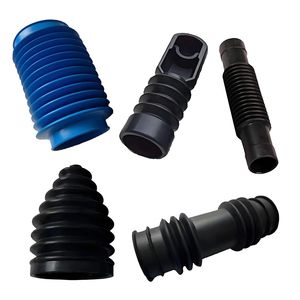

Industrial-grade anti-vibration rubber-to-metal powertrain mountings engineered for high-temperature desert resilience, GCC commercial fleets, and heavy SUV duty cycles.
Engineered for direct replacement across major Asian, American, and European commercial and passenger platforms active across the Arabian Peninsula.
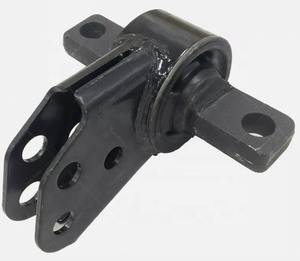
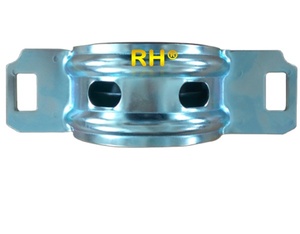
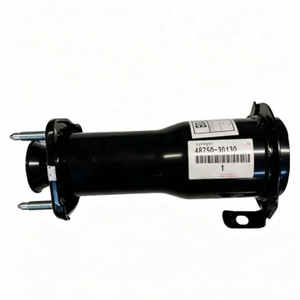
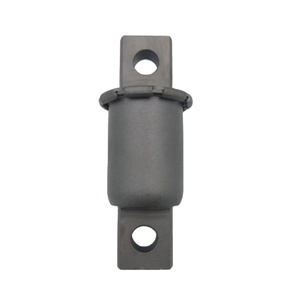
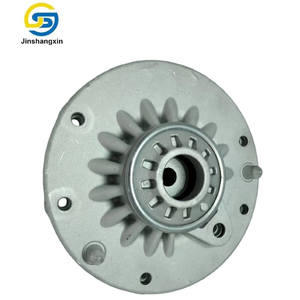
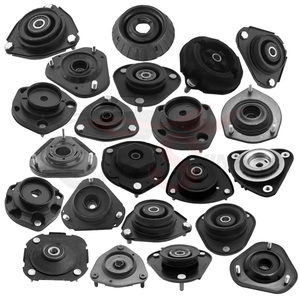
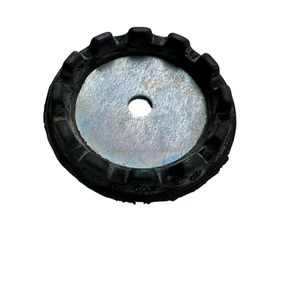
Powertrain mounts operating in the Kingdom of Saudi Arabia face thermal and mechanical stresses rarely encountered in temperate import markets.
Under-hood temperatures during peak summer in Riyadh, Eastern Province, or Makkah frequently exceed 115°C when combined with extended idling and maximum air conditioning loads. Standard commercial Natural Rubber (NR) compounds experience accelerated polymer chain scission, softening, and premature settling. Our specialized mounts incorporate heat-stabilized NR/EPDM hybrid blends with anti-ozonant packages to retain dynamic durometer hardness (55–65 Shore A) under continuous thermal saturation.
Airborne silica and fine particulate matter present in desert sandstorms act as severe abrasive grinding compounds. When fine sand intrudes into standard hydraulic engine mount boots or between rubber-metal bonding margins, it causes micro-tearing and rapid seal failure. Our manufacturing line uses high-integrity elastomeric dust skirts and proprietary phosphate-coated steel housings, ensuring total barrier protection against silica intrusion.
Saudi driving conditions range from high-speed highway cruising on the Riyadh–Dammam highway to punishing corrugated gravel roads and desert dune crossings. Rear engine mountings and transmission snubbers experience extreme reaction torque during rapid acceleration and abrupt throttle closures in heavy 4WD vehicles (such as Land Cruisers, Patrols, and commercial Hilux fleets). Our vulcanized chemlok bonding guarantees bond-tear resistance surpassing 25 kN/m shear forces.
The rear engine mount—frequently designated as the rear transmission mount or torque reaction damper—plays a uniquely vital role in a vehicle’s Powertrain Mount System (PMS). While the front and lateral hydraulic mounts support the static mass of the engine and transmission block, the rear mount takes the brunt of fore-aft pitch torque and torsional rotational shock.
When a driver applies sudden throttle in a heavily laden commercial delivery van in urban Jeddah, or maneuvers an SUV through desert dunes in the Empty Quarter, the internal combustion engine rocks along its roll axis. A degraded rear mount allows excessive powertrain excursion, which in turn stresses the exhaust flex pipe, strains drive shafts, and misaligns transmission linkages, leading to costly secondary component failure.
By engineering our rubber compounds with customized damping ratios (tan δ), we achieve the optimal compromise between vibrational isolation at idle and robust displacement control during peak shock loads.
How Vision 2030, vehicle longevity demands, and supply chain direct sourcing are reshaping spare parts procurement from Riyadh to Dammam.
Fleet operators in KSA are retaining operational vehicles for 7–10 years. This steady increase in average fleet age accelerates replacement demand for wear-and-tear rubber chassis components, with engine mounts heading the maintenance schedule.
Driven by rapid e-commerce expansion in Riyadh and Jeddah, last-mile delivery fleets run continuously. Fleet managers prioritize factory-direct suppliers who can provide consistent bulk batches that eliminate unscheduled downtime.
Workshops across the Kingdom are moving away from sub-standard low-cost white-box parts due to high labor re-work expenses. Importers seek certified ISO-grade manufacturers delivering genuine OE performance at competitive aftermarket rates.
Saudi wholesalers in wholesale districts such as Al-Kharj Road (Riyadh) and Bab Makkah (Jeddah) increasingly bypass intermediary trading hubs, establishing direct manufacturer partnerships for consolidated container shipments.
Operating advanced in-house rubber molding and automated stamping facilities in Thailand, providing end-to-end quality control and rapid fulfillment.
Every engine mount, suspension bushing, and center bearing is compounded, stamped, vulcanized, and assembled within our dedicated plant in Thailand. We do not outsource molding—giving our buyers uncompromised consistency from batch to batch.
Premature separation between metal brackets and elastomer inserts is the primary mode of failure under desert heat. Our automated multi-stage degreasing, shot-blasting, and Chemlok bonding systems ensure exceptional bond tensile strength.
With 9,485 active parts covering 31 global automotive brands and 60 distinct chassis categories, our Saudi clients can fulfill complete vehicle line procurement orders through a unified supplier invoice and shipping schedule.
We maintain comprehensive warehouse inventory of high-turnover OE numbers. Fast logistics coordination to King Abdulaziz Port (Dammam) and Jeddah Islamic Port ensures predictable lead times and inventory replenishment.
Critical insights on technical standards, SASO SABER compliance, raw material compounds, and container logistics for the Middle East market.
Direct manufacturer pricing, ISO-compliant quality control, and thousands of chassis references ready for immediate consolidation and shipping.
Contact Us