
High-precision rubber-to-metal bonded strut top mountings, suspension links, and steering mechanisms engineered directly against genuine OEM specs for long service lifecycles across Southeast Asia.
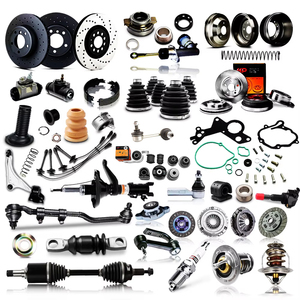
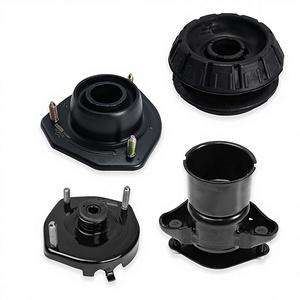
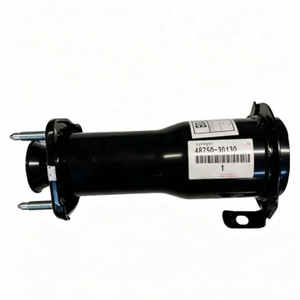
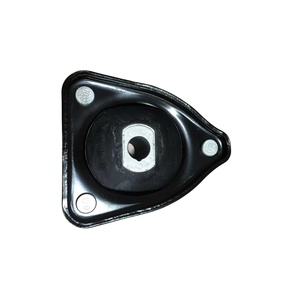
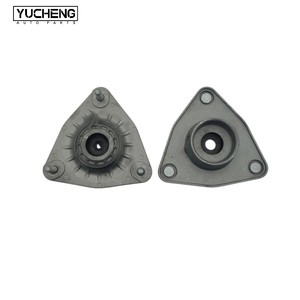
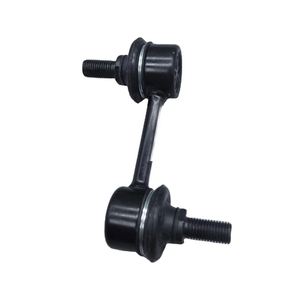
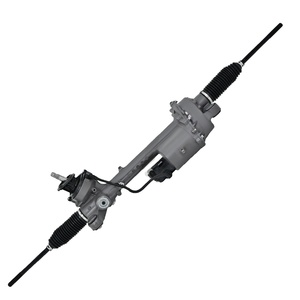
The strut mount (often referred to in technical engineering literature as the MacPherson strut top mount or suspension top bearing plate) plays a dual mechanical role in passenger cars, light commercial vehicles (LCVs), and fleet transportation. Functionally, it anchors the damper-spring assembly securely to the unibody chassis tower while isolating acoustic vibrations, road-induced harmonic resonance, and damping torsional shock loads. In steering-integrated front axles, the incorporated angular contact ball bearing permits fluid rotational movement during steering inputs while bearing the sustained vertical mass of the vehicle structure.
Vietnam presents one of the most mechanically demanding environments in Southeast Asia for rubber-to-metal bonded chassis components. Urban centres such as Ho Chi Minh City and Hanoi experience severe stop-and-go congestion paired with asphalt washboarding, deep sewer recesses, and frequent monsoon-induced standing water. Conversely, suburban arteries, national corridors such as Highway 1A, and rural infrastructure feature significant pothole distribution, gravel friction, and lateral gradient changes.
When an economy passenger vehicle (e.g., Toyota Vios, Hyundai Grand i10, Honda City) or a commercial delivery pickup (e.g., Ford Ranger, Mitsubishi Triton, Isuzu D-Max) impacts continuous sharp road deviations, instantaneous vertical shock forces transfer through the damper rod directly into the upper strut mount core. In low-specification aftermarket mounts, these repeated transient shock pulses generate rapid micro-fissuring across the elastomer matrix. Furthermore, the tropical humidity combined with flood waters leads to severe hydrolysis and electrochemical degradation, accelerating rubber delamination from steel inner sleeves.
To resist structural shear and fatigue in tropical environments, our factory formulates custom elastomer recipes governed by the following technical performance parameters:
Utilizing high-grade, premium natural rubber compounds harvested directly within Southeast Asia, our vulcanized formulations deliver tensile strengths exceeding 21 MPa and elongation-at-break performance exceeding 450%. This guarantees continuous elastic absorption without permanent structural settlement under heavy freight loads.
Infused with proprietary micro-crystalline waxes and amine-based antioxidant systems (6PPD/TMQ), our elastomeric cores show negligible surface cracking after 200 hours of DIN 53509 ozone testing, resisting the thermal oxidization typical of humid Vietnamese seasonal downpours.
Cold-rolled structural steel housings undergo automated shot-blasting, chemical phosphate passivation, and a dual-coat Chemlok adhesive application prior to multi-cavity compression transfer molding. Tensile peel-adhesion strength regularly exceeds 12 N/mm, preventing rubber-metal shear failure.
The Vietnamese automotive aftermarket is undergoing an accelerated modernization transition driven by three structural catalysts:
1. Fleet Electrification and Commercial Light Transport: The rapid expansion of local battery-electric vehicle platforms alongside hybrid light trucks requires chassis mounts designed for increased static curb mass. EV battery configurations systematically elevate vehicle curb weights by 15% to 30%, which causes accelerated compression settlement in conventional suspension bushings. Distributors stocking higher-density, heat-resistant top mounts achieve superior warranty ratios in mixed-fleet commercial sectors.
2. Ride-Hailing Mileage Compression: Platform ecosystems such as Grab, Be, and traditional taxi services log upwards of 75,000 to 100,000 kilometres annually per chassis in dense urban corridors. Workshop chains throughout Da Nang, Hai Phong, and Bien Hoa actively avoid ultra-cheap unbranded mounts due to labor-intensive warranty comebacks. Sourcing OEM-matched, verified Shore A hardness parts from a direct factory reduces workshop liability.
3. Regional Free-Trade Efficiency (ATIGA): As an established manufacturing plant based in Thailand, shipments exported across Southeast Asia into Vietnamese deepwater hubs—including Cat Lai Port (Ho Chi Minh City) and Hai Phong Port—benefit from preferential import duty agreements under the ASEAN Trade in Goods Agreement (ATIGA Form D). This structural tariff reduction allows Vietnamese spare parts distributors to source genuine-grade chassis components at aggressive unit economics compared to non-regional manufacturers.
From virgin polymer blending and dedicated stamping die casting to final assembly and laboratory stress testing, our integrated plant guarantees dimensional precision on every catalog line.
No outsourced contract molding. We maintain direct control over 9,485 unique product molds, matching original equipment dimensional clearances and bolt-hole geometric pitches down to fractions of a millimeter.
Suspension mounts require tight elastomer balance. Our parts strictly adhere to OEM durometer benchmarks (typically 58 to 62 Shore A), dampening micro-vibrations without excessive chassis deflection or steering lag.
Our centralized distribution warehouses maintain ready inventories for fast-turnover Asian and international platforms, ensuring rapid fulfillment cycles and short lead times for maritime container deliveries across Indochina.
Eliminate fitment errors before shipping. Every strut mount listing is cross-indexed with authentic OE numbers, platform codes, year ranges, and photographic reference data to simplify catalog management for regional parts jobbers.
Front strut applications include hardened high-carbon steel thrust ball bearings with double lip nitrile rubber contact seals, preventing moisture infiltration and sand ingress during extreme tropical flash floods.
Operating manufacturing facilities in Thailand allows shorter transit times to Vietnamese seaports (typically 3–5 days to Ho Chi Minh City / Hai Phong), significantly reducing warehouse carrying costs and order cycle latency.
Clear answers to frequent technical, logistical, and commercial queries raised by warehouse distributors, commercial fleet operators, and aftermarket parts wholesalers in Vietnam.
We do not use reclaimed or recycled rubber fillers. All suspension mounts are molded with virgin Southeast Asian Natural Rubber (NR) blended with synthetic anti-ozonants and vulcanized using computer-monitored heat-press cycles. Combined with Chemlok adhesive coatings on phosphated steel backplates, our mounts deliver exceptional peel strength and dynamic fatigue limits that prevent premature tear-out under repetitive pothole impacts.
Yes. Because our manufacturing base is situated in Thailand, shipments comply with ASEAN origin criteria. We supply verified Form D documentation, enabling qualified Vietnamese importers to take advantage of preferential zero or near-zero tariff schedules, markedly lowering total landed unit costs compared to non-ASEAN shipments.
Our inventory program matches Vietnam's operating vehicle parc: compact urban passenger models (Toyota Vios, Corolla Cross, Yaris, Hyundai Accent, Kia Morning/Sedona, Mitsubishi Xpander), pickup fleets (Ford Ranger, Mazda BT-50, Isuzu D-Max), and commercial vans (Ford Transit, Toyota HiAce, Hyundai Solati). We also support emerging domestic crossover and SUV fitments.
Front strut mount assemblies that mandate rotational articulation are supplied with integral high-precision bearings or matched bearing units (e.g., Ford DG9C3K099AXB series). These bearings feature labyrinthine multi-lip contact seals filled with high-viscosity, water-repellent synthetic grease to prevent rust and gritty particle ingress during urban flooding.
For active catalog items in warehouse stock, MOQs are flexible and can be packaged into mixed-pallet container programs. Typical transit times from our manufacturing facilities in Thailand to major Vietnamese ports like Cat Lai or Hai Phong are roughly 3 to 5 shipping days once dispatched, allowing rapid inventory turnover.
Our engineering database references exact OEM part numbers, chassis codes, and dimensional drawings. Send us the vehicle identification number (VIN), OE reference code, or exact vehicle production date, and our engineering support team will cross-verify the correct part number and fitment specs immediately.
Connect directly with our engineering and export team. Receive wholesale quotations, technical documentation, material test sheets, and ATIGA Form D tariff documentation tailored to your exact order size.
Get a Quote