Chassis System
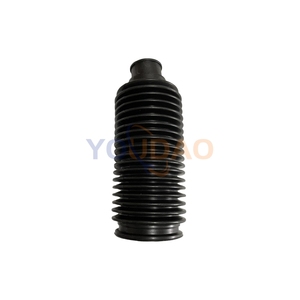

Engineered rubber-to-metal bonded components meeting strict JIS, DIN, and SAE NVH criteria for automotive tier ecosystems, commercial carriers, and heavy industrial machinery.
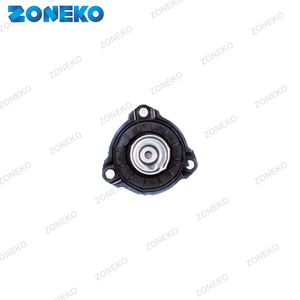
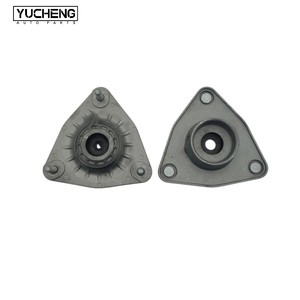
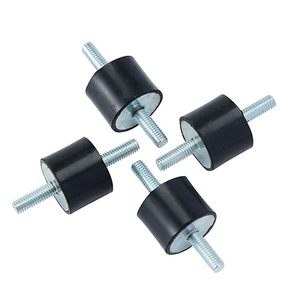
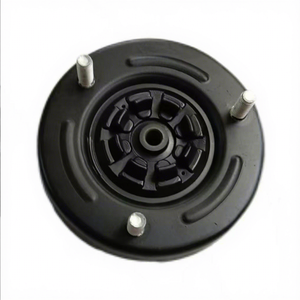
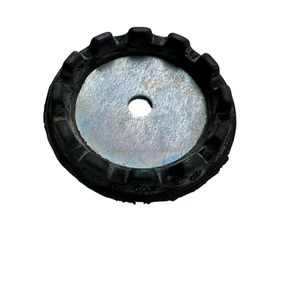
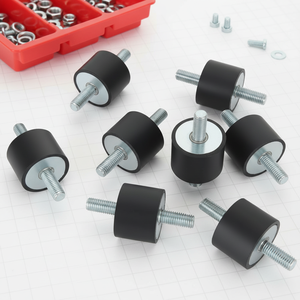
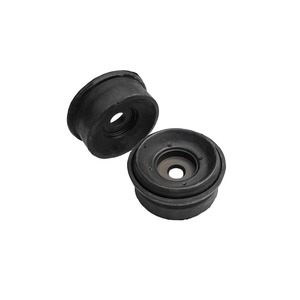
Nagoya acts as the beating heart of the Greater Chūkyō industrial region, hosting the highest concentration of automotive original equipment manufacturers (OEMs), Tier-1 suspension integrators, machine tool specialists, and railway component designers in East Asia. In this demanding manufacturing matrix, a rubber metal damper is rarely viewed as a simple consumable; it represents a primary frequency attenuator and safety-critical mechanical link.
The operational profile in Aichi Prefecture demands elevated resilience against environmental stresses, including sub-zero winter temperatures along the Suzuka mountain corridor, high summer humidity throughout Ise Bay, and sustained mechanical shear under high dynamic payloads. Sourcing reliable rubber metal dampers requires balancing static stiffness (Ks) and dynamic stiffness (Kd) at operational frequencies ranging between 10 Hz and 350 Hz.
| Elastomer Compound Type | Hardness Range (Shore A) | Dynamic-to-Static Ratio (Kd/Ks) | Thermal Degradation Envelope | Nagoya Industrial Application Focus |
|---|---|---|---|---|
| Natural Rubber (NR - High Grade) | 45 - 65 ±5 | 1.15 - 1.35 | -40°C to +85°C | Automotive suspension bushings, cabin mounts, lower control arm isolators. |
| Ethylene Propylene Diene (EPDM) | 50 - 75 ±5 | 1.30 - 1.55 | -45°C to +135°C | Engine strut mounts, under-hood thermal dampeners, commercial exhaust hangers. |
| Chloroprene Rubber (CR / Neoprene) | 55 - 70 ±5 | 1.25 - 1.45 | -35°C to +110°C | Drive shaft boots, steering rack bellows, sea-freight industrial isolators. |
| Nitrile Butadiene (NBR) | 60 - 80 ±5 | 1.40 - 1.70 | -30°C to +120°C | Hydraulic machine tool feet, hydraulic pumps, gearbox differential isolators. |
Engine mounts, transmission damper snubbers, and subframe isolators subjected to strict NVH decoupling and cyclic fatigue tests spanning millions of continuous load cycles.
CNC machining centers, vertical boring mills, and hydraulic presses in Aichi that rely on cylindrical bobbin dampers to eliminate resonant micro-chatter during high-speed cutting.
Shinkansen traction motor mountings, primary suspension silent blocks, and air spring auxiliary bumpers engineered for extreme shear durability and minimal creep drift over time.
Terminal container straddle carriers, harbor tug engine isolators, and heavy-duty drayage truck multi-axle suspension bushings exposed to continuous saline sea spray.
How electrification, lightweighting, and automated green manufacturing are redefining rubber-metal damper specifications across central Japan.
With internal combustion engine masking noise removed, battery-electric vehicles built throughout Aichi require dampers engineered for higher frequency vibration absorption (150 Hz - 400 Hz) to counteract electric drive unit (EDU) gear whine and high-frequency road input.
Transition from heavy SG iron castings to forged aerospace aluminum and composite sleeves. Dampers must feature surface-passivated, high-adhesion Chemlok vulcanization layers that prevent galvanic corrosion when bonded to dissimilar alloy subframes.
Japanese procurement channels are proactively eliminating nitrosamines, polycyclic aromatic hydrocarbons (PAHs), and heavy metal accelerators. Modern factories must employ sustainable carbon blacks and synthetic bio-polymers without compromising damping elasticity.
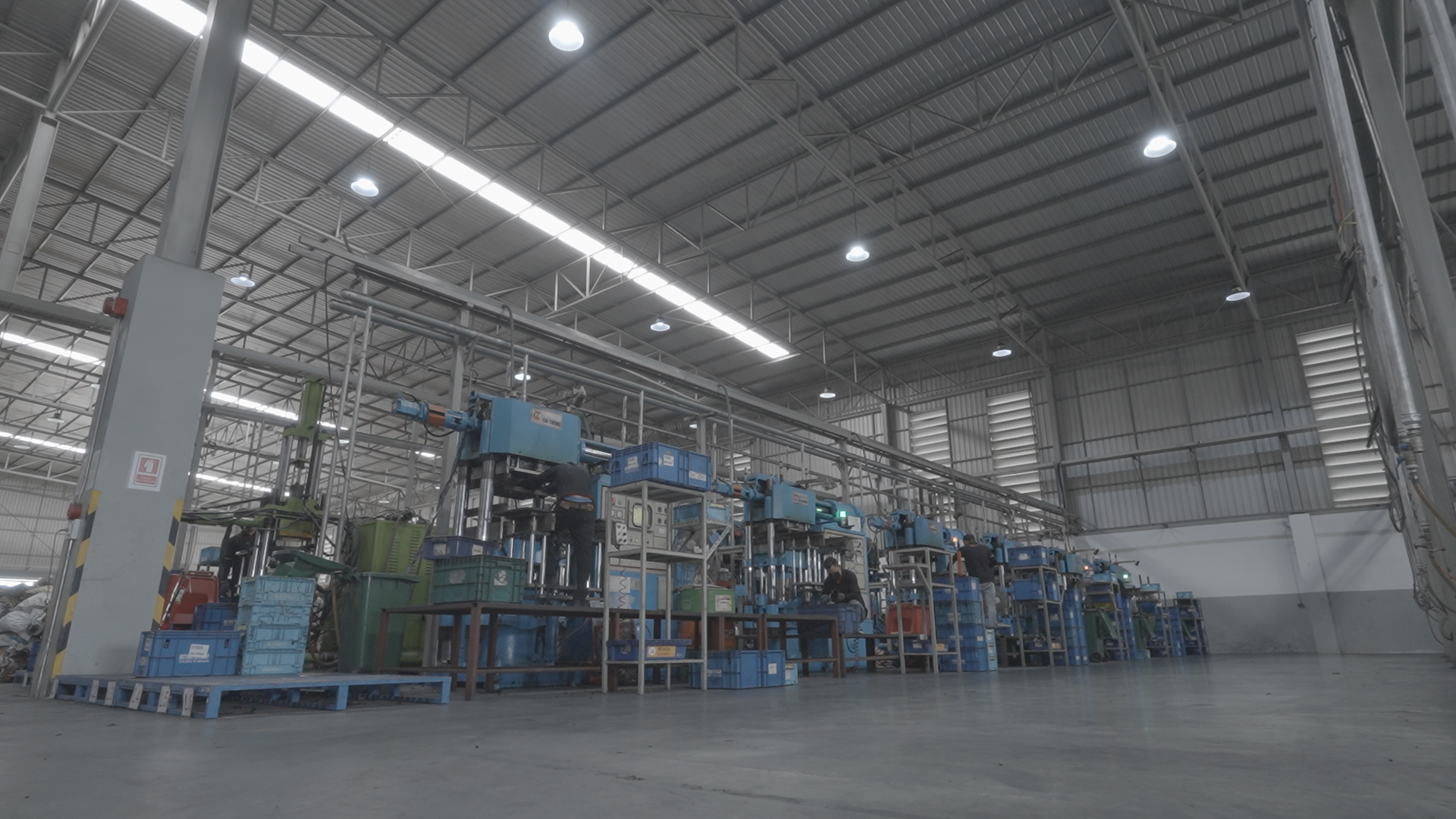
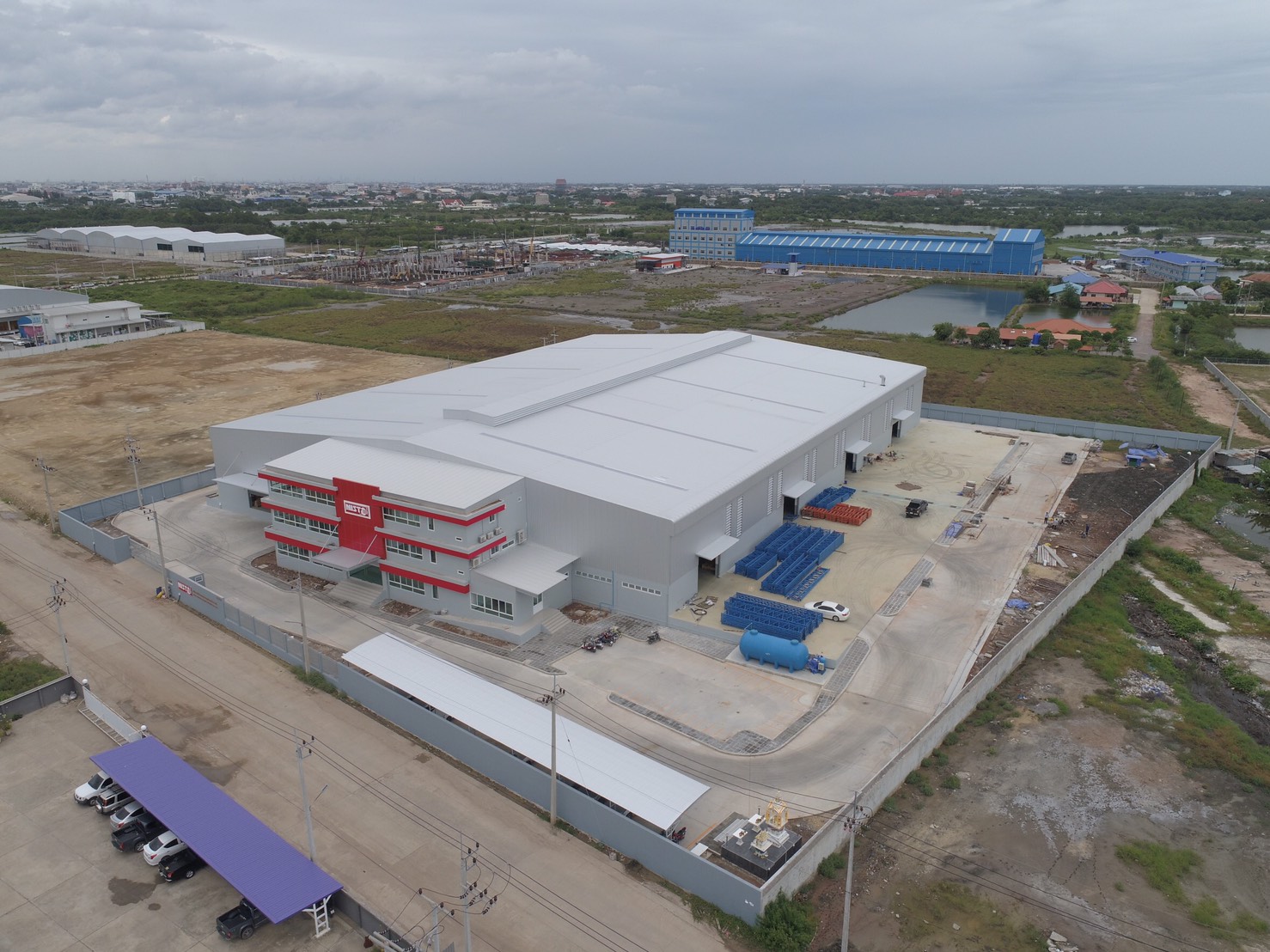
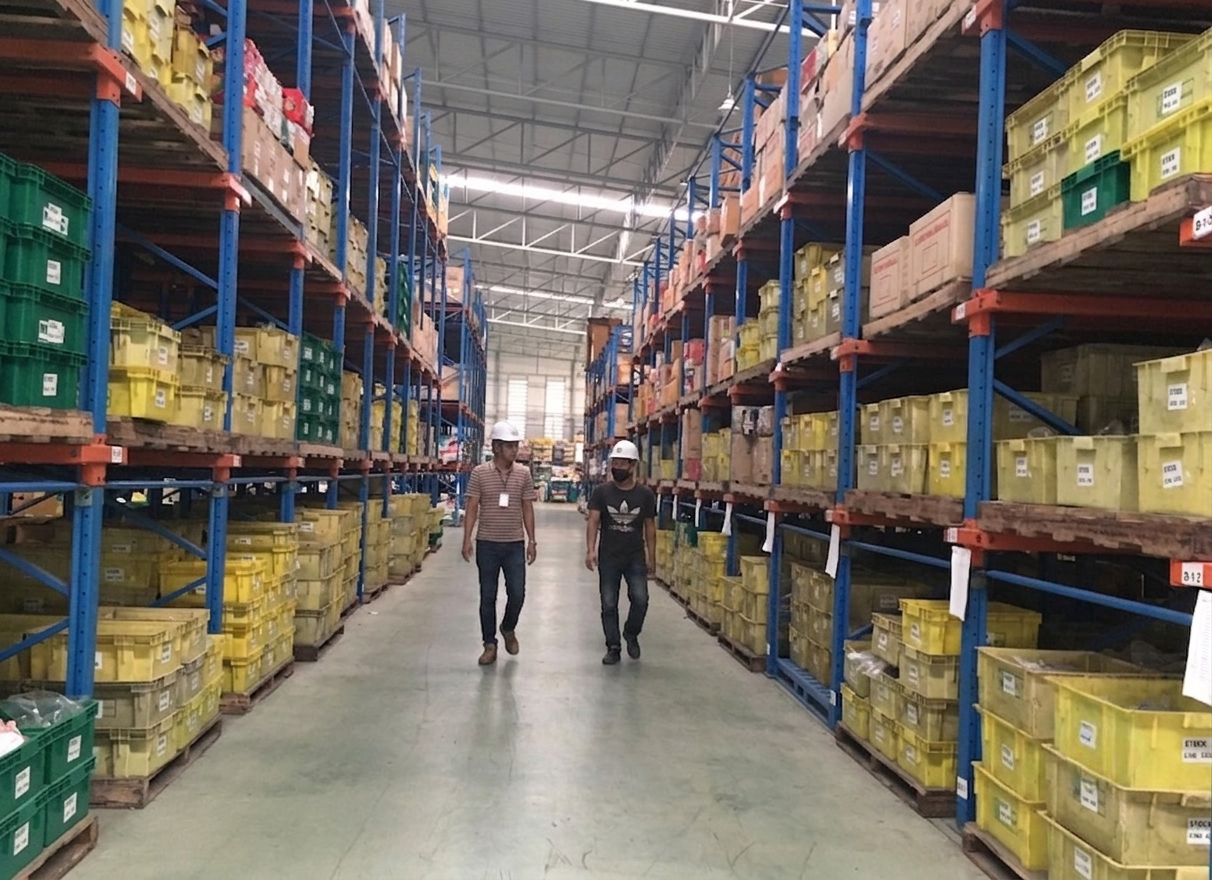
With 9,485 catalogued parts across 60 specialized automotive and industrial categories, our in-house manufacturing infrastructure in Thailand provides the sweet spot of high-grade compound engineering and optimized manufacturing cost.
A structured scorecard used by commercial purchasers across Aichi, Gifu, and Mie prefectures when qualifying offshore elastomer manufacturers.
Checking for cohesive rubber failure (>95% elastomer retention on metal) rather than adhesive failure under tensile peeling stresses during destructive testing.
Assessing supplier ability to guarantee static-to-dynamic stiffness variance within ±8% tolerance bands to avoid chassis resonance drift in production vehicles.
Benchmarking hydraulic pulse testing at 2,000,000 cycles under combined radial and axial dynamic loads without permanent plastic deformation exceeding 1.5mm.
Requiring trivalent zinc electroplating or cathodically deposited e-coating certified for >480 hours neutral salt spray resistance (JIS Z 2371 compliance).
Spectroscopic batch profiling and rheometer curing curve logging for every single batch of virgin natural rubber or synthetic elastomer mixed.
Capabilities to interface with modern inventory management networks, supporting barcoding, Kanban scheduling, and direct customs clearance.
Comprehensive answers addressing quality certifications, tooling lead times, and customs procedures for industrial buyers in Japan.