Engineered to suppress mechanical resonance, high harmonic vibrations, and chassis shock across rugged highway, mountain pass, and tropical logistics routes.
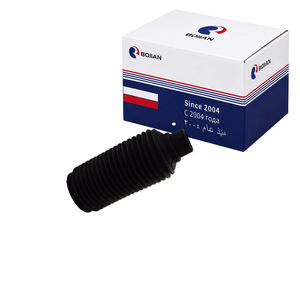
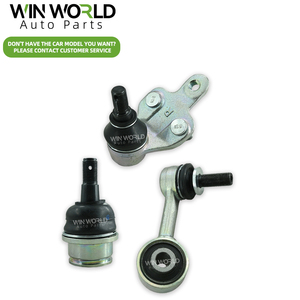
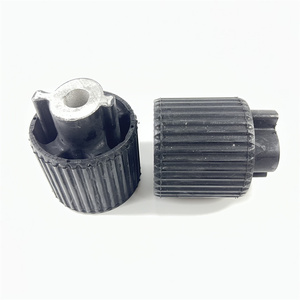
Automotive vibration dampers, engine mountings, elastomeric bushings, and driveshaft center bearings operate not merely as mechanical spacers, but as critical harmonic filters and dynamic load isolators. In high-stress operating environments such as Costa Rica, suspension components face a convergence of environmental and physical degradation vectors rarely seen in temperate or strictly paved regions. From the steep elevation differentials of the Cordillera Central to hyper-saline coastal transport zones and saturated tropical rainforest corridors, chassis damping components are subjected to destructive torsional shear, continuous axial shock loads, and accelerated polymer oxidation.
Procurement Fact for Importers: In Costa Rica, automotive parts distributors operating across San José, Alajuela, Heredia, Puntarenas, and Limón report that suspension bushing and engine mount replacement cycles occur 42% sooner than baseline international averages. This premature failure rate is overwhelmingly driven by the thermal fatigue of low-grade recycled SBR compounds and premature adhesive failure in rubber-to-metal bonding under non-stop monsoonal humidity and road impact.
To deliver structural reliability for automotive fleets, public bus operators, and agricultural cargo distribution networks, suppliers must guarantee strict adherence to OEM geometric tolerances, specialized natural-rubber elastomeric compounding (ASTM D2000), and automated surface-phosphated vulcanization processes. Sourcing directly from NISTO RUBBER Manufacturing in Thailand—the global epicenter of raw high-tensile natural rubber production—empowers Costa Rican wholesalers and spare part distributors to eliminate substandard aftermarket replacements in favor of precision-engineered vibration dampers built to survive Central American operating reality.
A rigorous engineering breakdown of four distinct domestic logistics and fleet operating environments where vibration dampers face maximum mechanical fatigue.
Corridors linking Puerto Limón to Guápiles and Sarapiquí endure severe 40-tonne gross vehicle weight (GVW) haulage. Heavy-duty truck leaf spring bushings and torque rod isolators absorb cyclic high-amplitude impact on unpaved plantation feeders, where substandard elastomers split along molecular fault lines.
Navigating constant switchbacks and 3,000+ meter elevation shifts produces continuous multi-axial torque. Hydraulic engine mounts and transmission vibration isolators prevent drivetrain misalignment and severe cabin shudder during continuous high-gear engine braking and low-speed torque delivery.
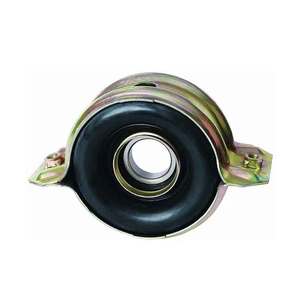
Rental fleets in Guanacaste, Puntarenas, and Manuel Antonio traverse corrosive seaside tracks and river crossings. Cardan shaft center bearings (e.g., Toyota Hilux / Tacoma 37230-35090) and rack boots require ozone-resistant chloroprene and sealed bearing shields to resist salt slurry and premature seizure.
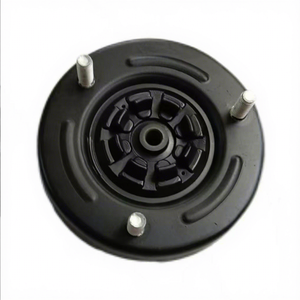
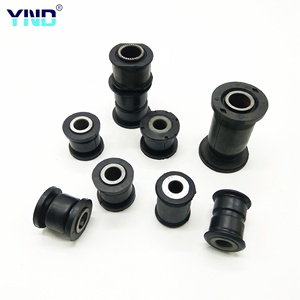
San José, Heredia, and Cartago experience dense stop-and-go commuting over irregular asphalt and sudden drainage depressions. Strut top mounts and control arm rubber sleeves endure millions of micro-impact cycles daily, making tear-resistant natural rubber formulations mandatory to maintain wheel alignment.
A comparative structural analysis illustrating how compound formulation, chemical anti-ozonants, and surface vulcanization define component service life under tropical humidity conditions.
| Performance Parameter | NISTO RUBBER Manufacturing Standard | Generic / Low-Cost Central American Aftermarket | Significance for Costa Rican Fleets |
|---|---|---|---|
| Base Polymer Composition | 100% Virgin Thai Natural Rubber (NR) & High-Grade EPDM / CR | Recycled crumb rubber blends with excessive carbon filler | Preserves high elasticity; eliminates sudden brittle fractures on mountain potholes. |
| Shore A Hardness Range | Durometer controlled strictly to 55° - 65° ±3 Shore A | Variable, often 75°+ Shore A (Excessively rigid) | Matches vehicle OEM NVH ratings; prevents cabin vibrations from transferring into steering linkages. |
| Rubber-to-Metal Shear Strength | Chemlok® dual-coat primer & bonding agents; exceeds 12.0 MPa | Single-coat generic adhesive; typically < 4.5 MPa | Prevents catastrophic sleeve separation under extreme twisting loads during rough-terrain transit. |
| Ozone & Hydrolytic Resistance | Formulated with microcrystalline wax and IPPD/6PPD antiozonants | Unprotected polymer chains prone to surface craze & rot | Stops tropical moisture and solar UV rays from splitting CV boots and shock mounts within 6 months. |
| Thermal Stability Window | -40°C to +125°C continuous operating temperature | -10°C to +80°C (degrades rapidly above 85°C) | Resists exhaust header radiant heat in congested San José traffic jams without softening or oil bleed. |
As Central America’s frontrunner in green energy transitions, Costa Rica’s automotive aftermarket is undergoing distinct structural transformations that commercial importers must anticipate.
Costa Rica boasts Latin America’s highest per-capita adoption of electric vehicles (EVs and PHEVs). The substantial weight penalty of traction battery packs increases chassis load by 25-35%, demanding heavy-duty strut mounts and hydraulic control arm bushings engineered with higher static spring rates to prevent bottoming out.
With Dekra maintaining strict mandatory technical vehicular inspections (ITV) in Costa Rica, suspension play, damaged ball joint boots, and cracked engine mount rubber cause immediate inspection failure. Importers are experiencing surging demand for guaranteed direct-fit replacement bushes that pass Dekra laser tolerances.
Central American importers are moving away from multi-tier trading intermediaries in Miami and Panama (Colón Free Zone). Direct containerload sourcing from NISTO Rubber in Thailand secures 28-35% margin advantages and prevents receiving mismatched OE batches with undocumented material origins.
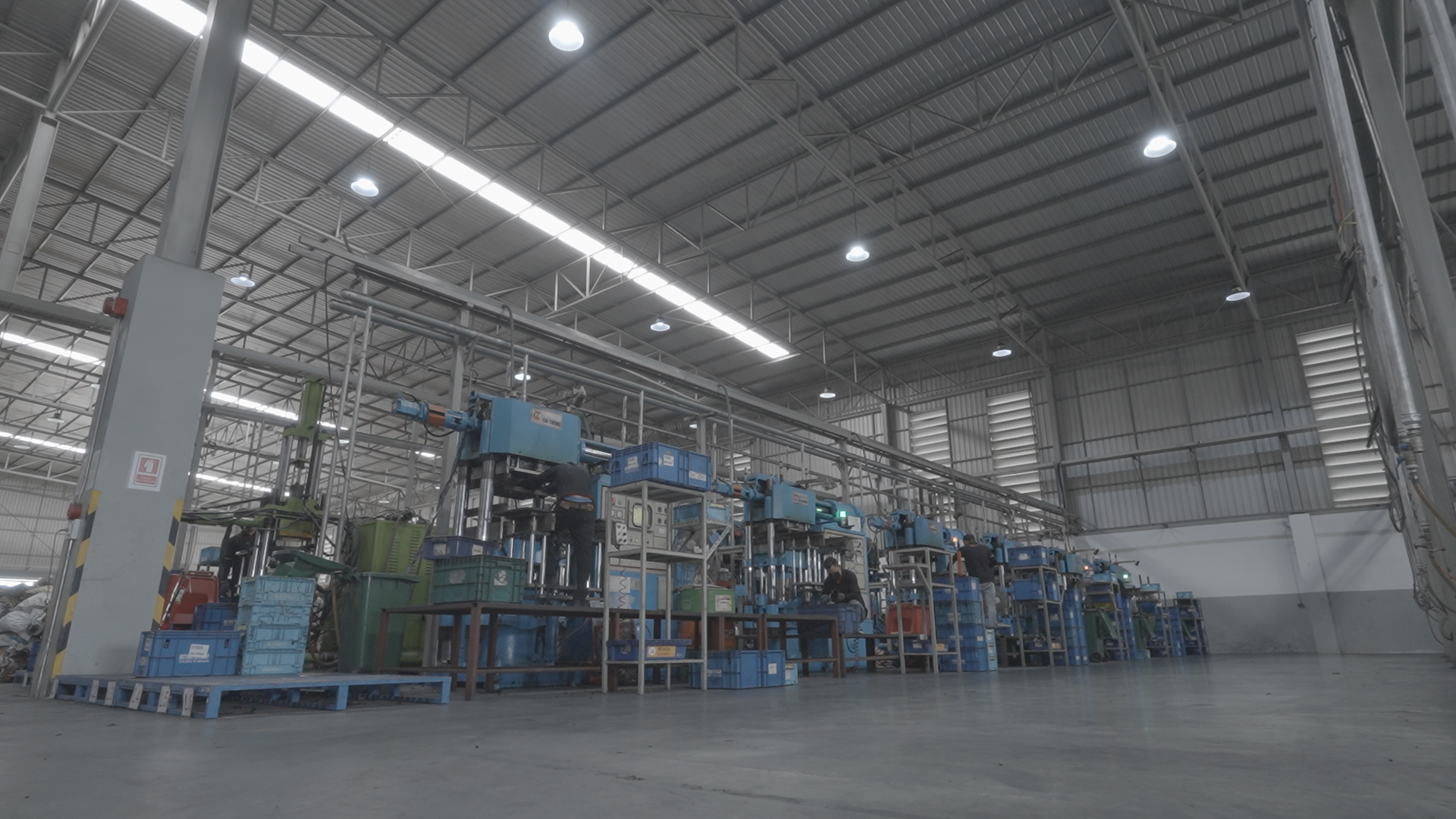
With decades of dedicated focus on automotive rubber-to-metal bonding and dynamic suspension components, NISTO controls every variable from raw latex blending to maritime container export.
We do not outsource molding. By compounding raw Thai natural rubber in-house, we calibrate exact Shore A hardness, tensile elasticity, and fatigue life for every single SKU.
Over 9,485 verified references covering 31 major auto brands dominating the Costa Rican car park: Toyota, Nissan, Isuzu, Hyundai, Mitsubishi, Ford, Honda, Mazda, Hino, and Chevrolet.
Precision sandblasting, phosphating, and Chemlok bonding ensure our inner steel sleeves never separate from the rubber body under heavy torsional shearing loads.
Experienced global logistics coordinating FCL and consolidated shipments to Costa Rican customs with complete documentation, HS codes, and protective anti-humidity ocean packaging.
Essential answers regarding cross-referencing, customs compliance, material lifespan, and wholesale minimums for distributors in Central America.
Whether you are outfitting large transport fleets in San José, distributing through regional auto part stores across Limón and Guanacaste, or looking to build a private-label suspension line, our engineering and export team is ready to assist with full catalog pricing, sample evaluation, and container consolidation.
Contact Us