1 / 5

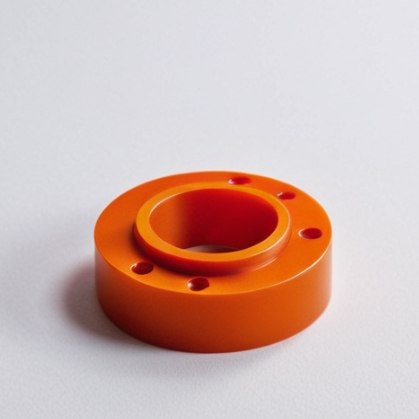
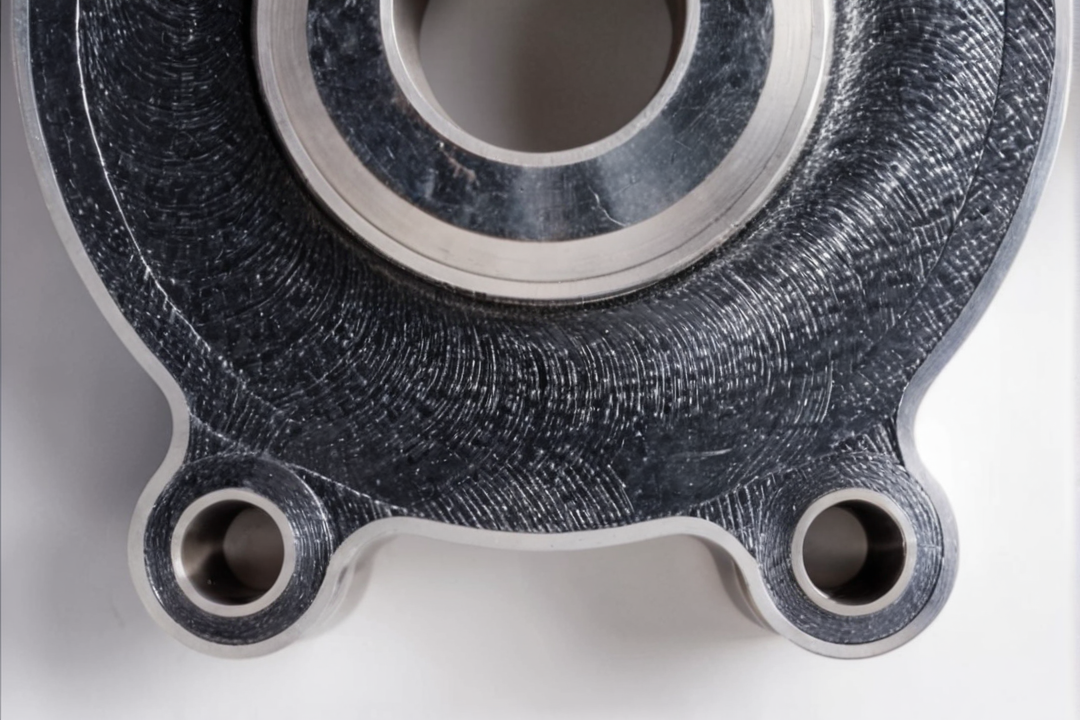
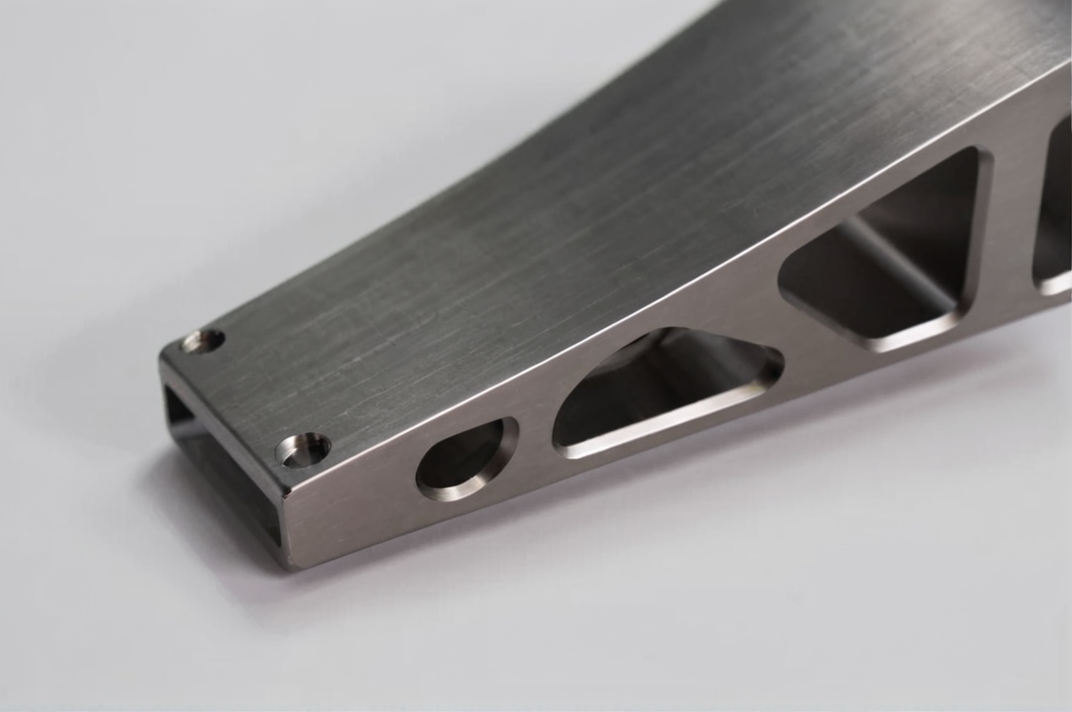
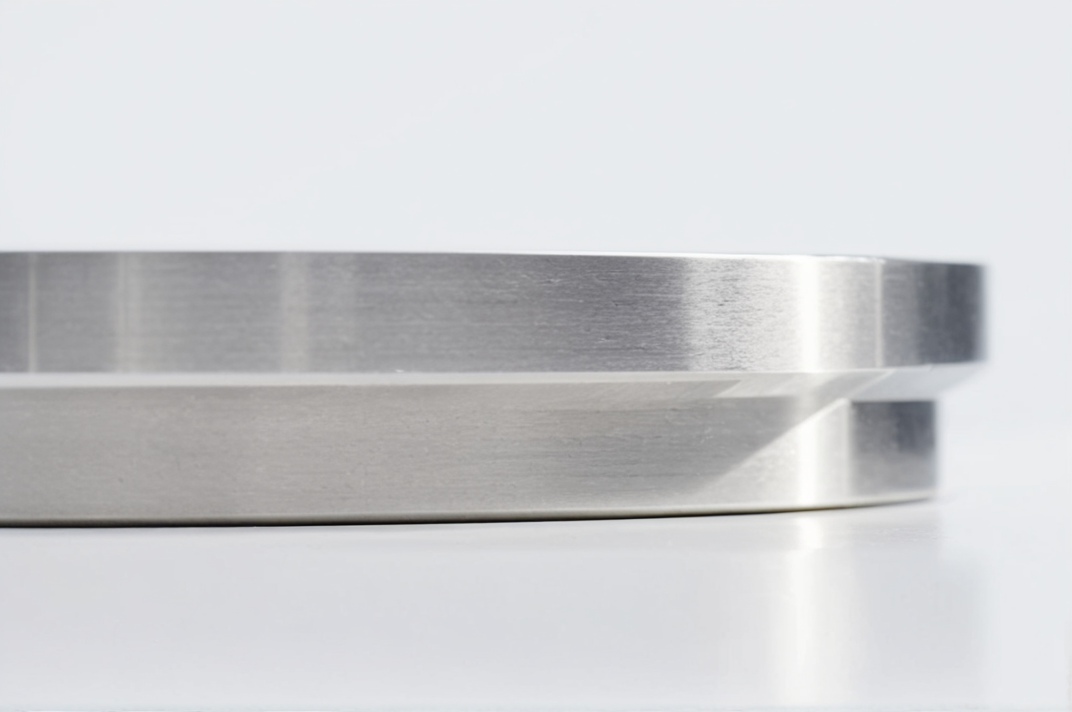
| Metals | |
|---|---|
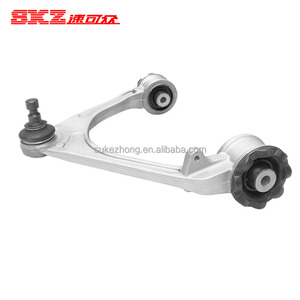
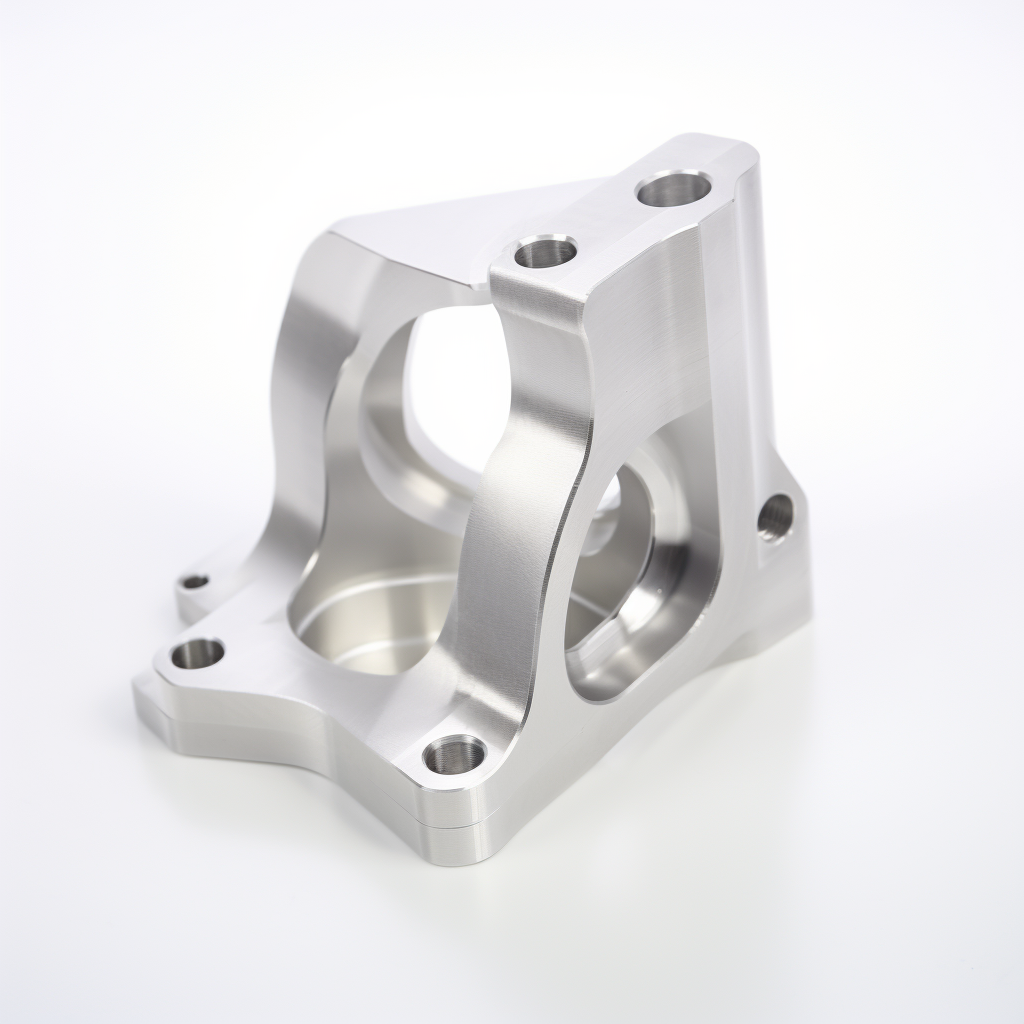
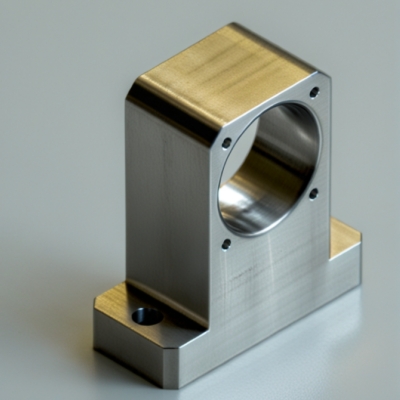
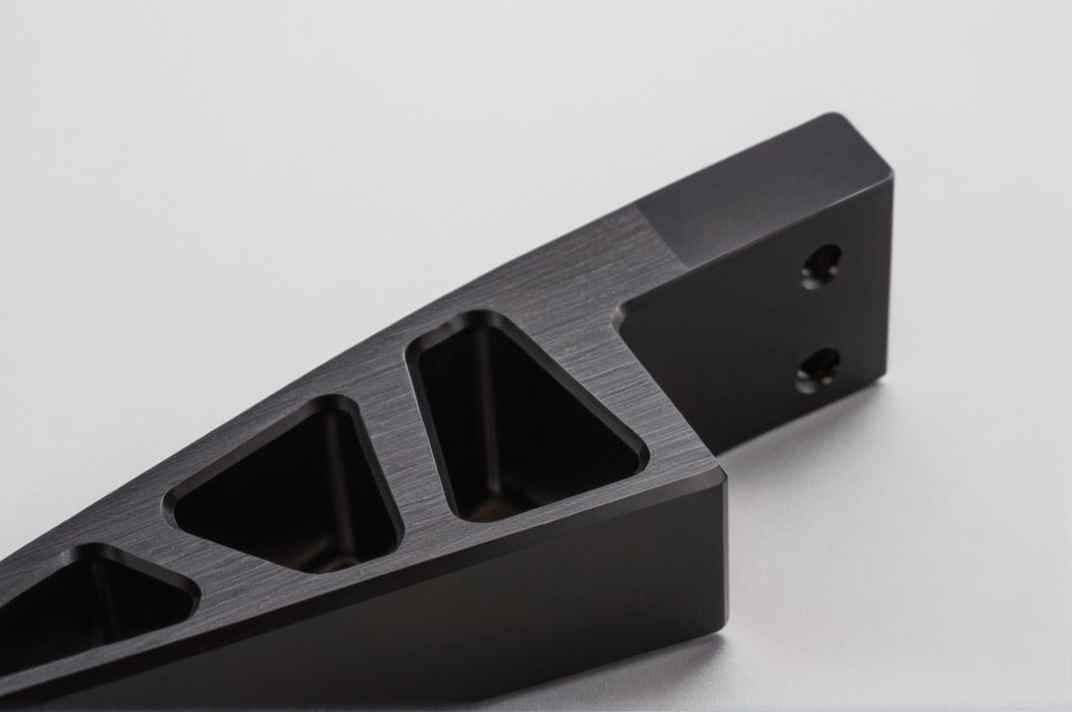
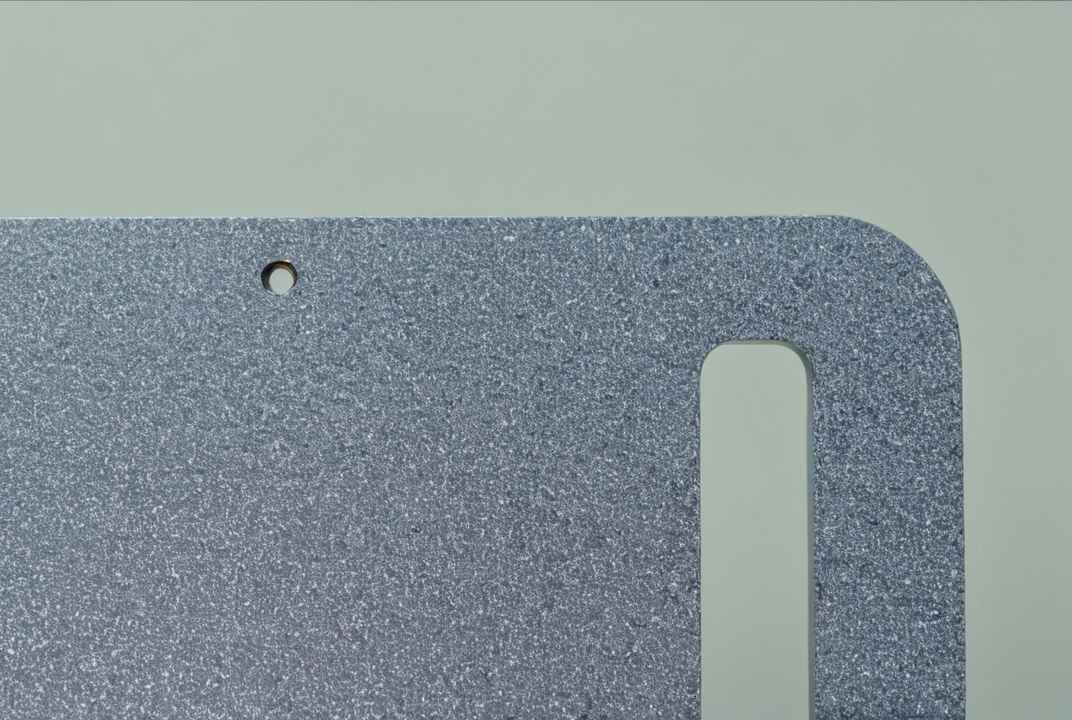
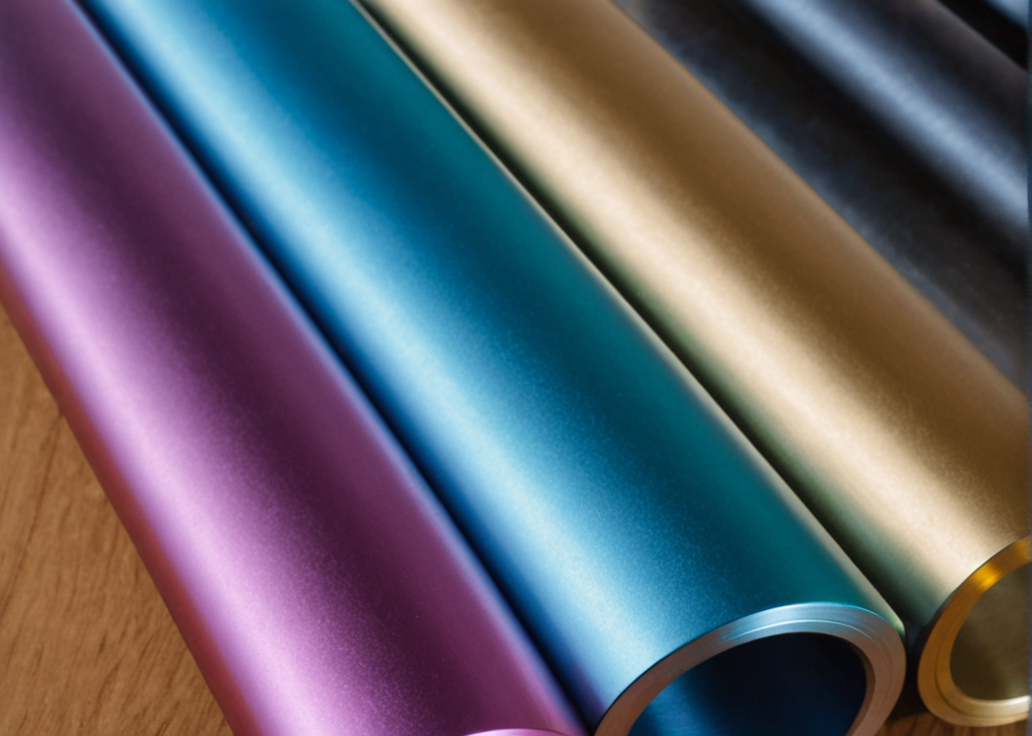
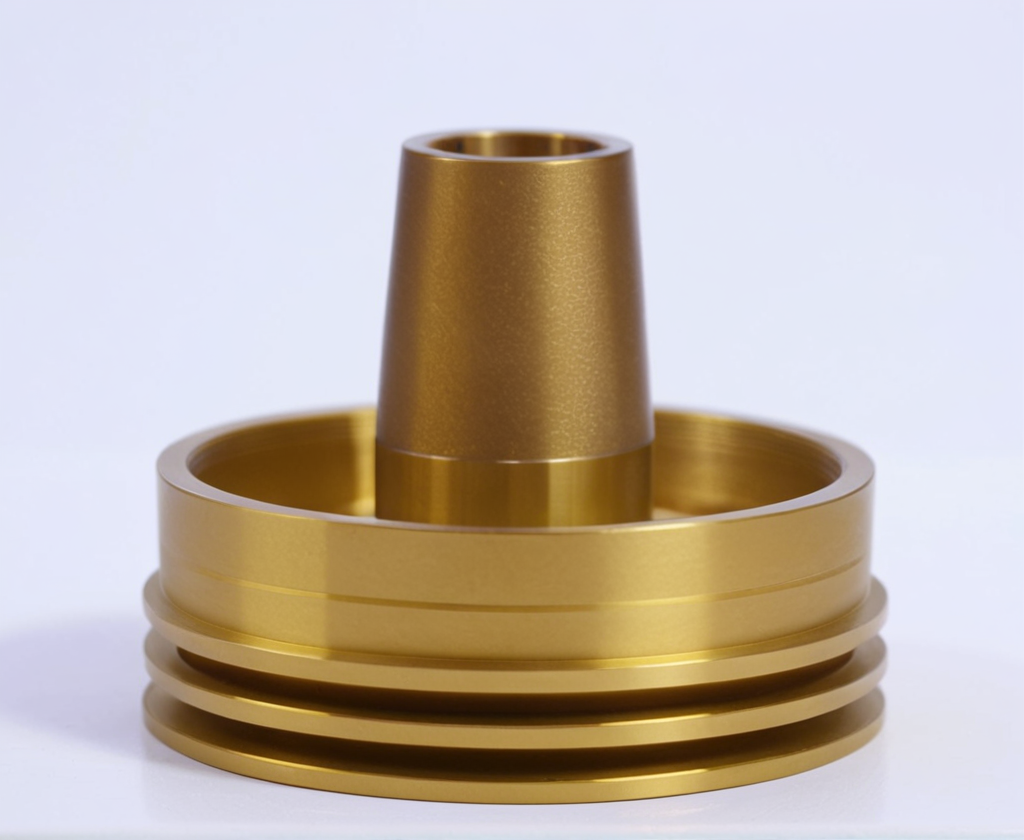
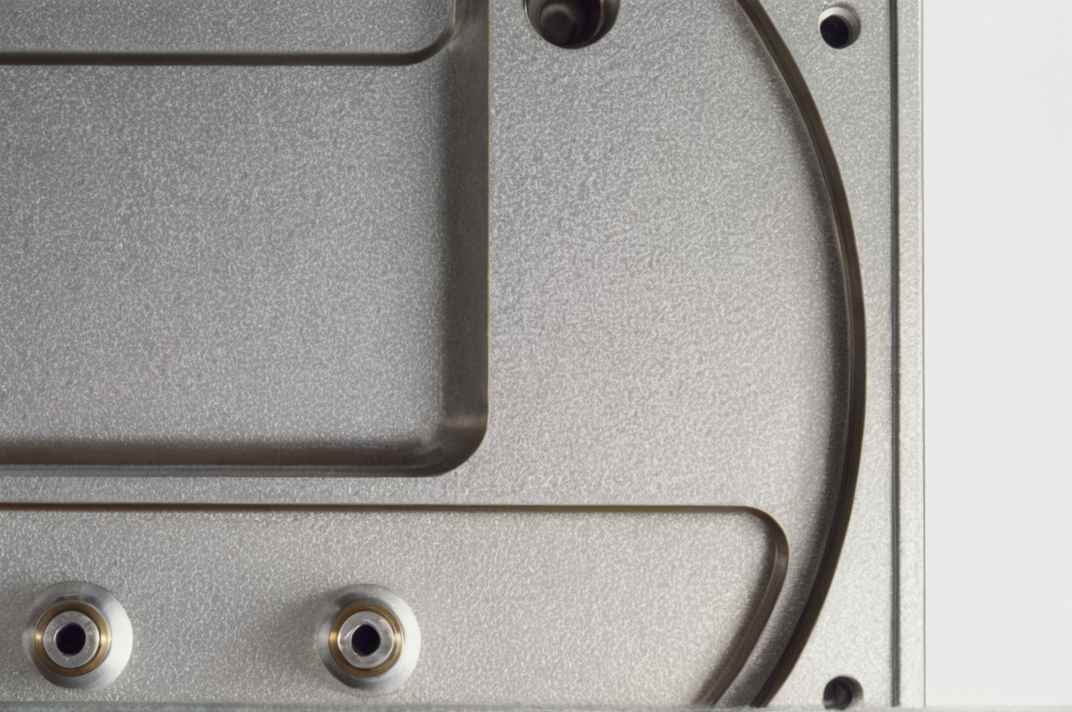
| Aluminum | Aluminum alloys have good strength-to-weight ratio, high thermal and electrical conductivity, low density and natural corrosion resistance. Can be anodized. |
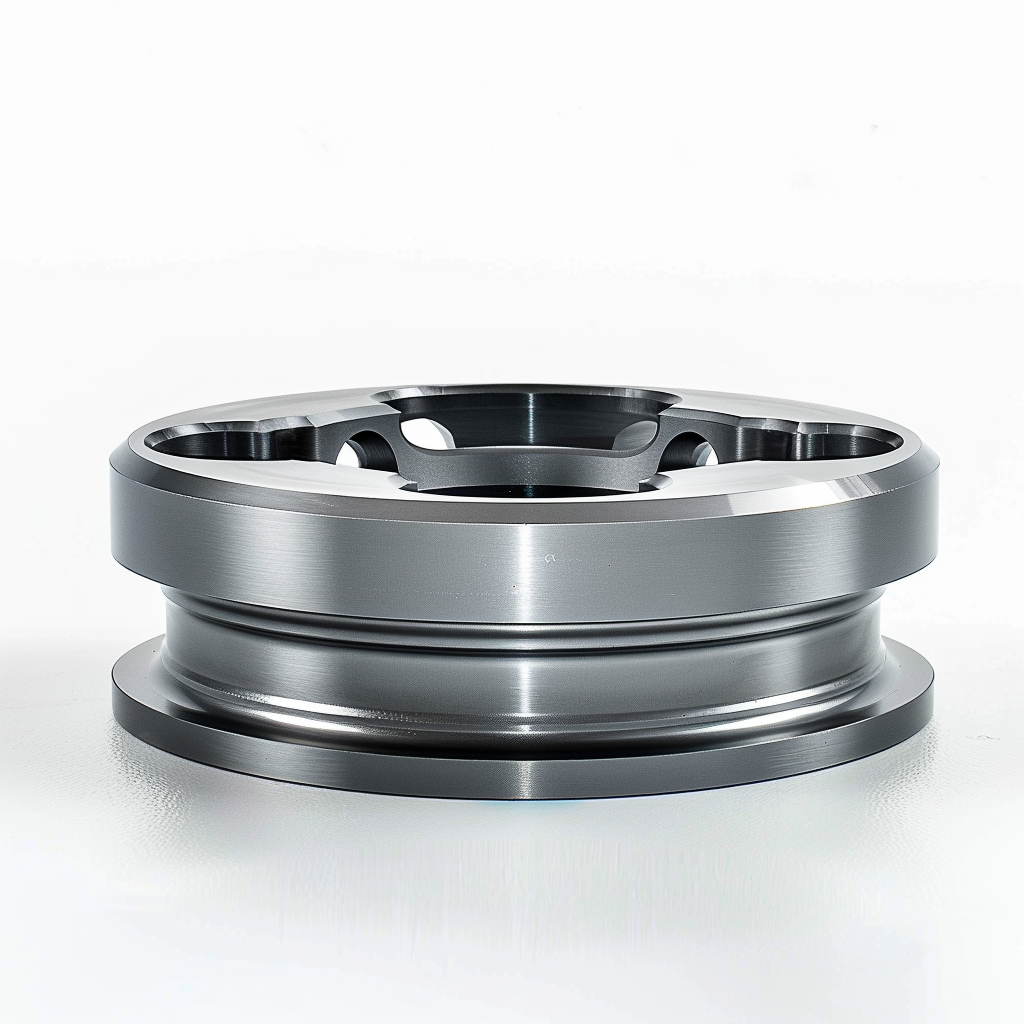
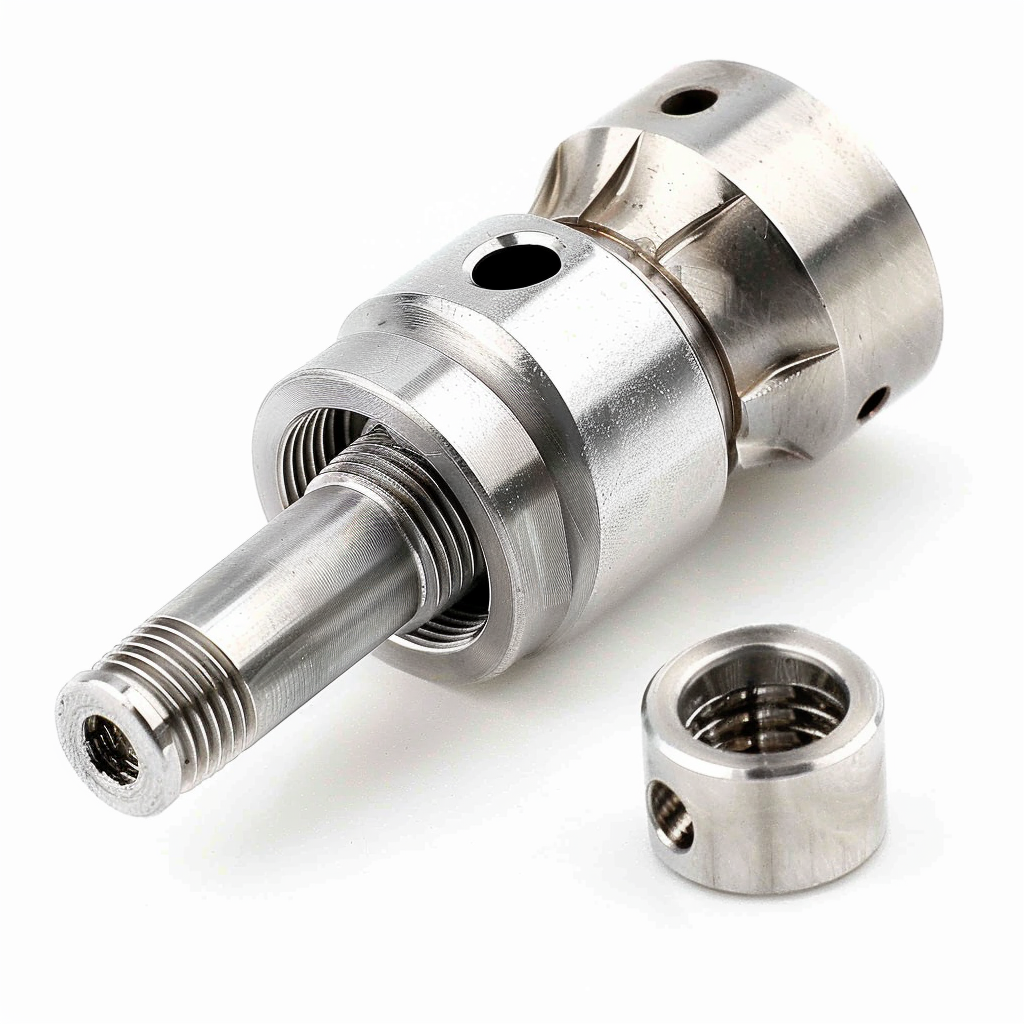
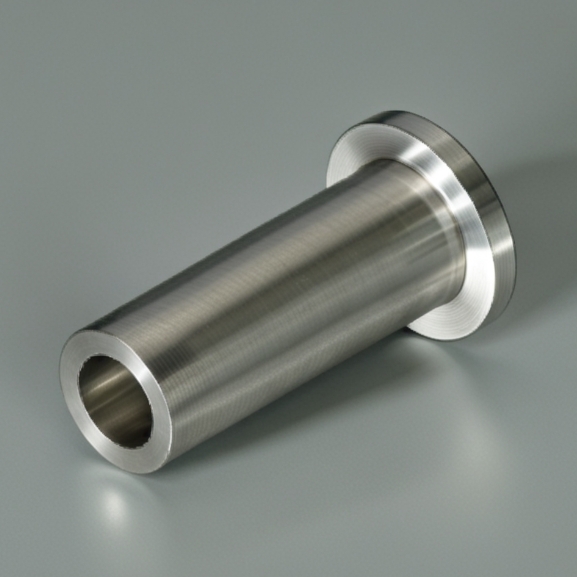
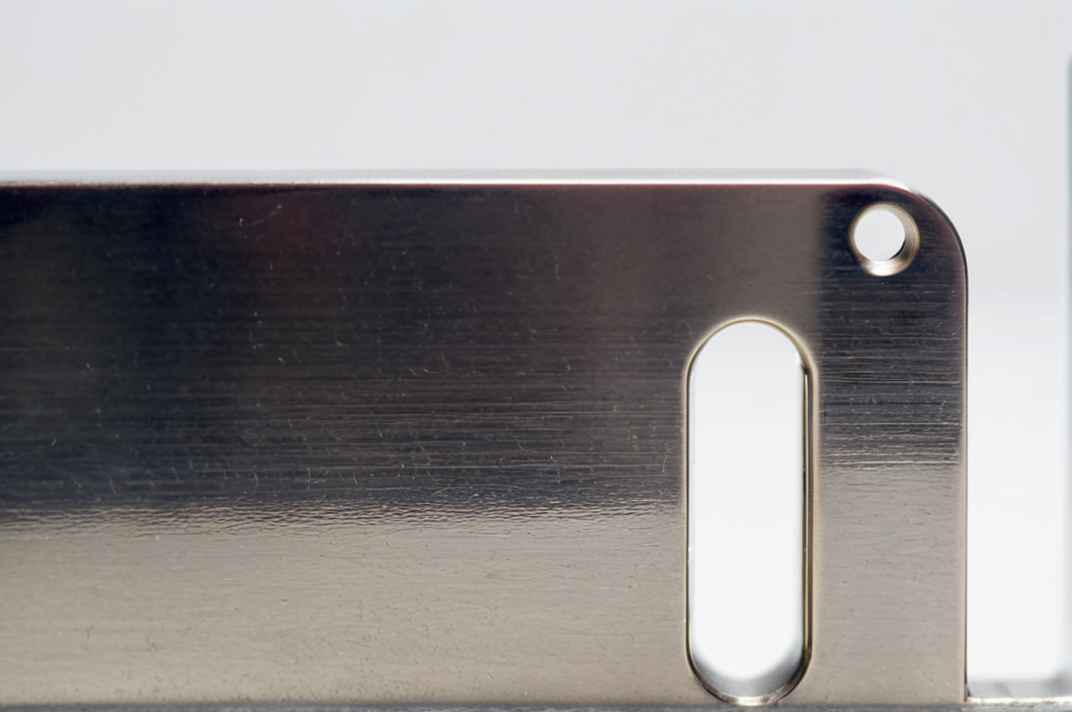
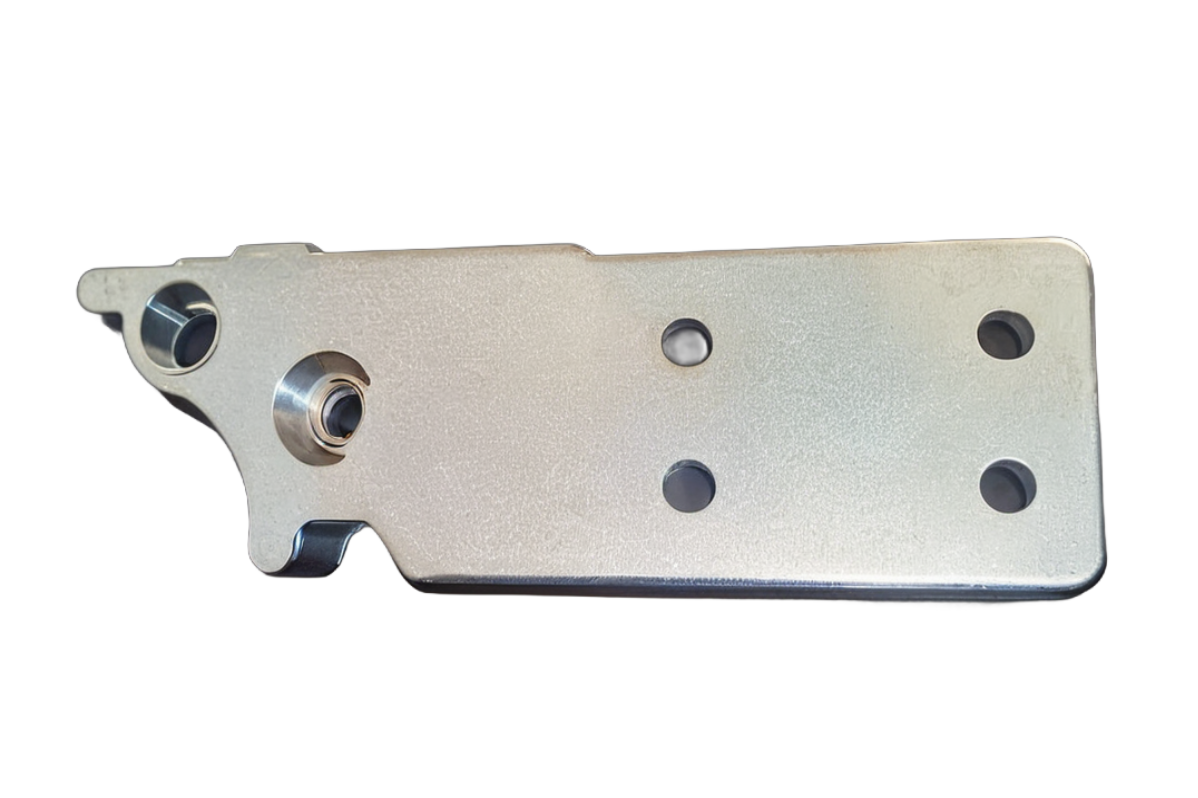
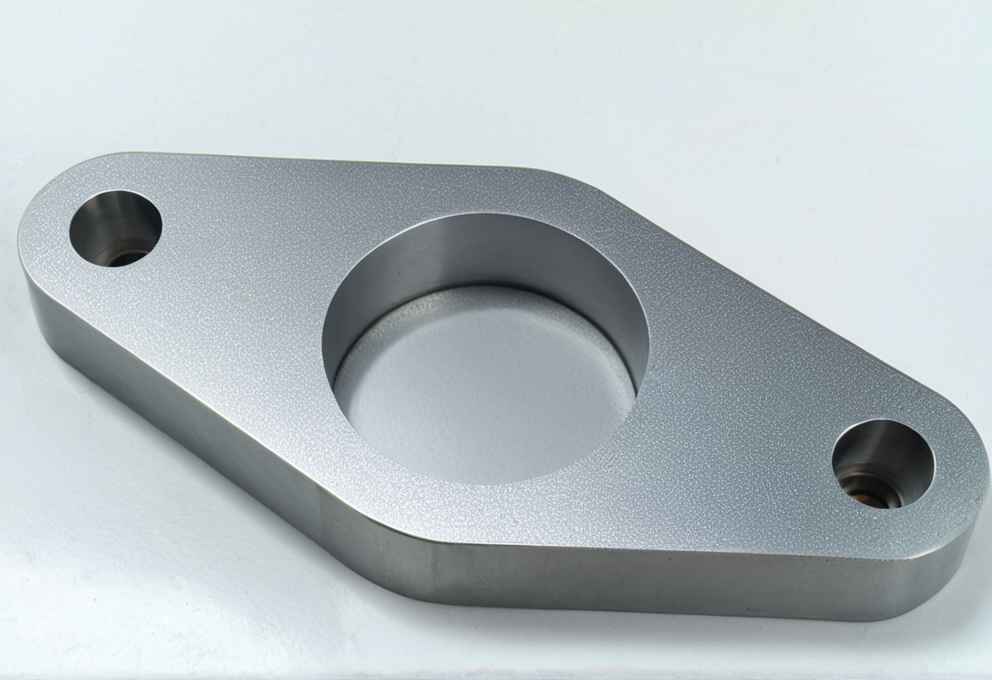
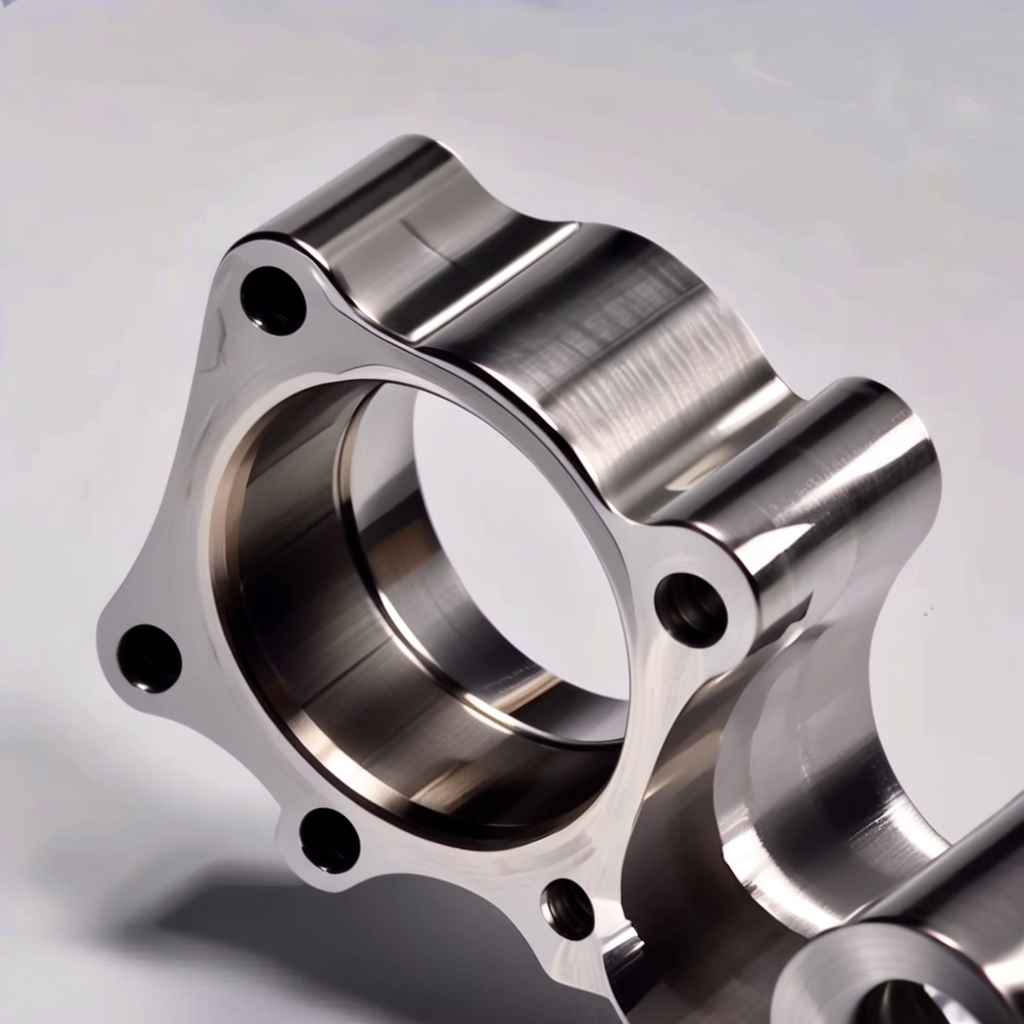
| Stainless steel | Stainless steel alloys have high strength, ductility, wear and corrosion resistance. They can be easily welded, machined and polished. |
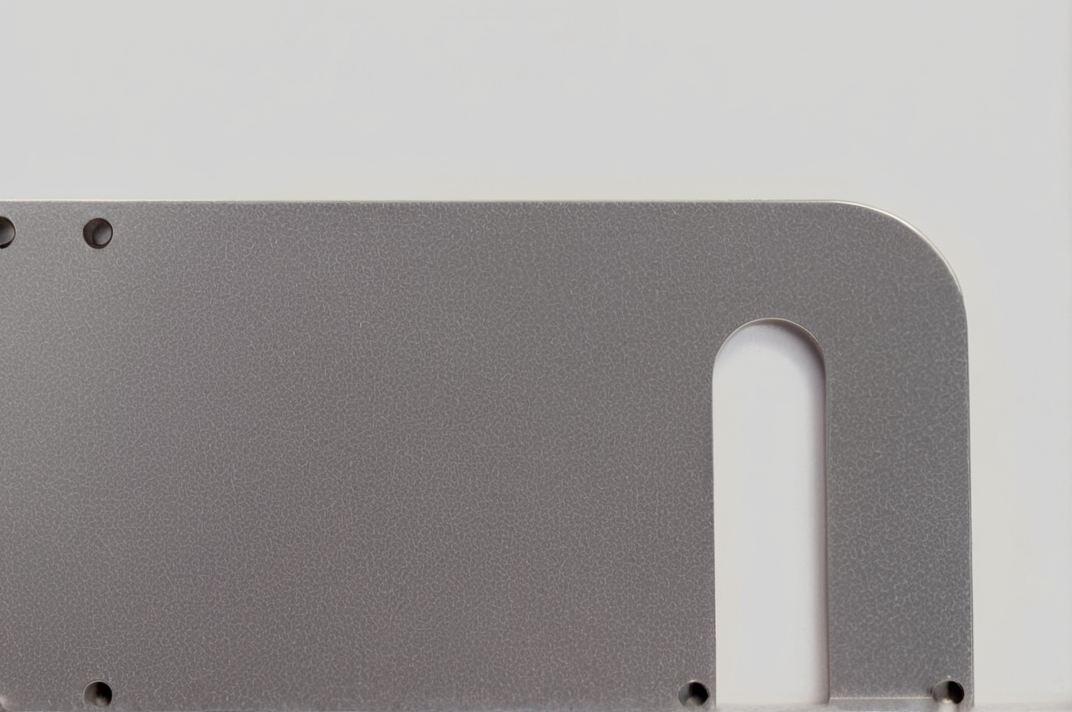
| Mild steel | Mild steels are low-carbon metal alloys offering good mechanical properties, machinability and weldability at low cost. Can be carburized to increased hardness. |
| Brass | Brass is a metal alloy with good machinability and excellent electrical conductivity. Ideal for applications that require low friction. |
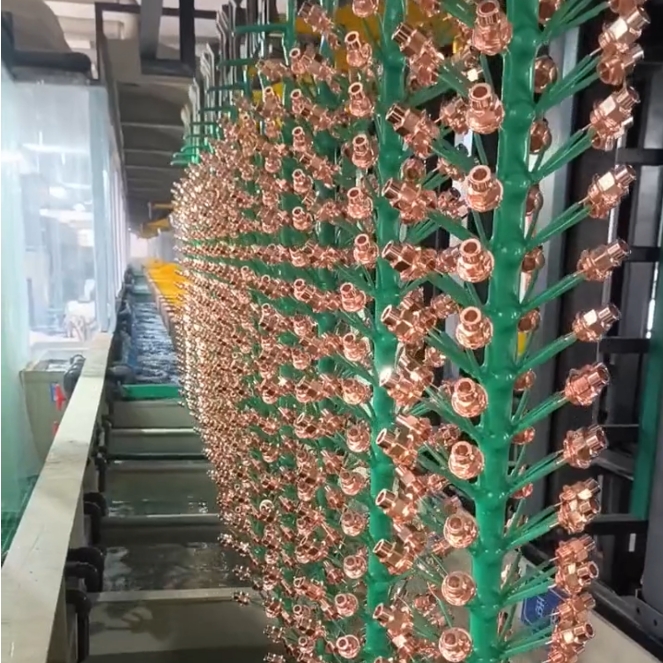
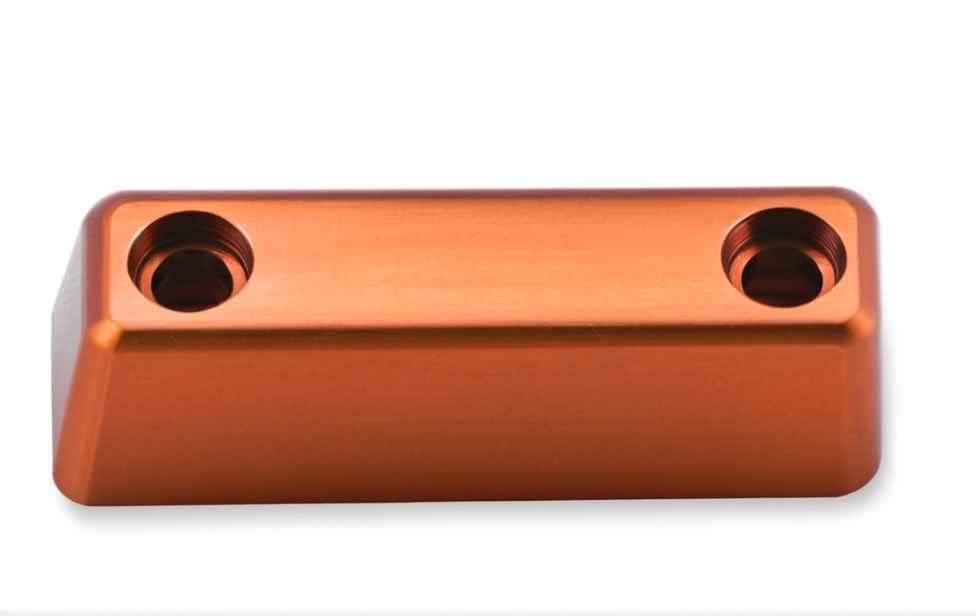
| Copper | Copper offers excellent thermal and electrical conductivity, it's often used for busbars, wire connectors, and other electrical applications. Copper has a glossy reddish-orange appearance. |
| Alloy steel | Alloy steels contain other alloying elements in addition to carbon, resulting in improved hardness, toughness, fatigue and wear resistance. |
| Tool steel | Tool steels are metal alloys with exceptionally high hardness, stiffness and abrasion resistance. Suitable for manufacturing industrial tools. |
| Titanium | Titanium is a metal with excellent strength-to-weight ratio, low thermal expansion and high corrosion resistance that is sterilizable and biocompatible. |
| Inconel | Inconel is a high-strength, corrosion-resistant nickel alloy. Ideal for aerospace applications. |
| Invar | Invar is a nickel alloy with a very low coefficient of thermal expansion. Ideal for applications where high dimensional stability is required, such as precision instruments, engines valves and large aerostructure molds. |
| Plastics | |
|---|---|
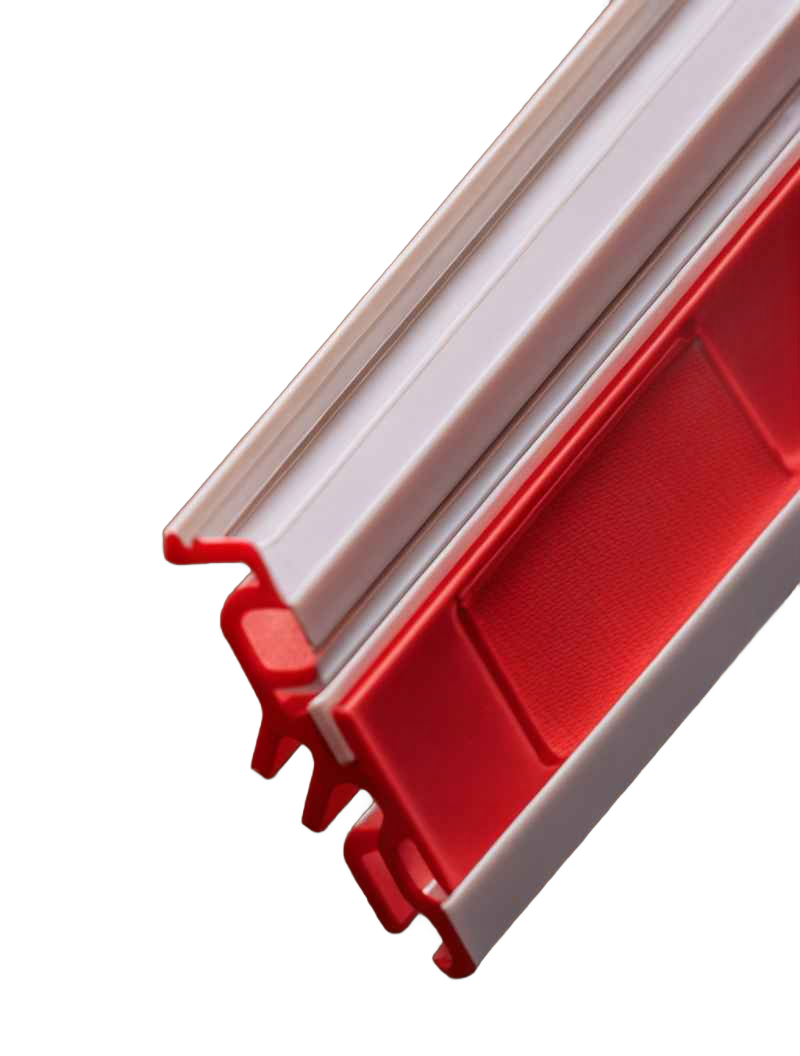
| POM (Delrin/Acetal) | POM is an engineering thermoplastic used in precision parts requiring high stiffness, low friction, and excellent dimensional stability. |
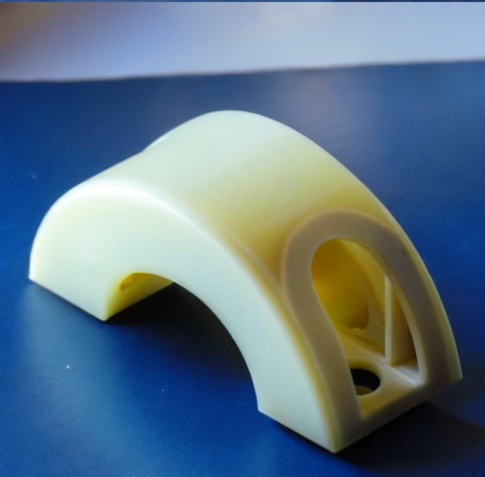
| Nylon | Nylon - polyamide (PA) - is an engineering thermoplastic with excellent mechanical properties and high chemical and abrasion resistance. |
| PPSU | PPSU offers exceptional hydrolytic stability, and toughness superior to other commercially-available, high-temperature engineering resins. They offer high deflection temperatures and outstanding resistance to environmental stress cracking. This polymer is inherently flame retardant, and also has excellent thermal stability and good electrical properties. |
| ABS | ABS is a common thermoplastic with all-around good mechanical properties, excellent impact strength, good heat resistance and good machinability. |
| PEEK | PEEK is a high-performance engineering thermoplastic with excellent mechanical properties and chemical over a very wide temperature range. |
| PTFE (Teflon) | PTFE is an engineering thermoplastic with excellent chemical and thermal resistance and the lowest coefficient of friction of any know solid. |
| Polycarbonate | Polycarbonate (PC) is a thermoplastic with high toughness, excellent impact strength and good machinability. Can be optically transparent. |
| Polyethylene | Polyethylene (PE) is a thermoplastic with high strength-to-weight ratio, good impact strength and excellent weather resistance. |
| PVC | PVC is the third most used plastic with all-around good mechanical properties, excellent chemical and weather resistance and good toughness. |
| PMMA (Acrylic) | PMMA is a transparent rigid plastic often used as a substitute for glass. |
| PET | PET is a tough plastic that offers excellent wear resistance and mechanical strength. |
| Polypropylene | Polypropylene |
| G-10 | G-10 is a high-pressure fiberglass laminate with a high strength, low moisture absorption, and high level of electrical insulation and chemical resistance. |
| FR4 | FR4 is a class of glass fiber epoxy laminate that is flame retardant, with similar properties to G-10. |